Bison Liver vs Beef Liver: Which Has More Nutrients?
8 min read
Both are exceptional sources of micronutrients, but they differ where it counts. Beef liver leads on zinc and copper per 100g. Bison liver may deliver slightly higher B12 density and keeps copper intake within NIH upper limits more comfortably. For men focused on overall nutrient quality from a wild, active animal, bison liver makes a compelling case.
Why Liver Deserves a Serious Look
Liver fell out of fashion somewhere between TV dinners and the low-fat era. That was a mistake. No other whole food concentrates as many fat-soluble vitamins, trace minerals, and active cofactors into a single serving. Muscle meat doesn't come close.
The conversation has gotten more specific. Not just eat liver, but which liver, from which animal, managed how. Wild bison liver and conventional beef liver are not the same food. The species differ. The husbandry differs. As a result, the micronutrient profiles differ in ways that matter to men focused on zinc, B12, CoQ10, and copper.
This comparison uses published USDA data where it exists, peer-reviewed research where it doesn't, and plain arithmetic throughout. No extrapolations dressed up as facts.
The Micronutrient Numbers Side by Side
Per 100 grams cooked, here is how the two livers compare on the four nutrients most relevant to men's nutrition:
- Vitamin B12: Beef liver delivers 70.6 mcg. Bison liver, approximately 75 to 90 mcg depending on the analysis. Both dwarf the 2.4 mcg adult daily requirement. Wild bison may edge slightly higher, likely tied to more diverse rumen microbial activity from rotating forage.
- Zinc: Beef liver, 5.2 mg. Bison liver, approximately 3.1 mg. Beef liver holds a clear advantage here, roughly 67% more zinc per 100g serving.
- Copper: Beef liver, 12.4 mg. Bison liver, approximately 7.9 mg. Beef liver dominates on mass. The NIH tolerable upper intake level for copper sits at 10 mg per day for adults, which a full 100g serving of beef liver can exceed. Bison liver stays well inside that threshold.
- CoQ10: Published values for beef liver run approximately 39 mg per kilogram fresh weight. Direct bison comparisons are limited, though organ meat from highly active animals consistently trends higher than sedentary counterparts in available research.
The pattern: beef liver leads on raw mineral mass. Bison liver may hold advantages in B12 and CoQ10 tied to how the animal lives, and it keeps copper in a more moderate range.
Zinc: Where Beef Liver Takes the Clear Lead
Five milligrams of zinc per 100g is a serious number. Beef liver is one of the densest whole-food sources of zinc available. Oysters beat it. Most things don't.
Bison liver at roughly 3.1 mg still outperforms most muscle cuts, most fish, and nearly every plant food. But men specifically targeting zinc to help maintain testosterone levels already within a normal range, or to support immune function, will get more per gram from beef liver. The gap is real.
The form matters here too. Zinc in both liver types is highly bioavailable. Animal protein doesn't carry phytic acid, the compound in grains and legumes that binds zinc and reduces how much your gut absorbs. A 2020 review published in Nutrients confirmed that fractional zinc absorption from animal foods runs meaningfully higher than from plant sources. The 3.1 mg you get from bison liver is more usable than 3.1 mg from a fistful of pumpkin seeds.
If zinc is your primary target, beef liver wins. Straightforward.
B12 and Copper: Where the Story Gets Nuanced
Both livers provide B12 in quantities that are almost absurd relative to daily requirements. Eat either one once a week and you'll likely cover your B12 baseline indefinitely, assuming normal absorption from your gut.
The potential edge for bison lies in the mechanism. Wild bison graze across rotating range, grasses, forbs, native plants, rather than a fixed grain ration. That diversity feeds a richer rumen microbiome, and rumen bacteria are the actual source of B12 in ruminants. More microbial variety may mean more B12 synthesis. It's a plausible mechanism even if direct head-to-head studies are limited.
Copper is where context matters most. Beef liver is extraordinary on copper, but at 12.4 mg per 100g, a full serving pushes past the NIH tolerable upper intake level of 10 mg per day. This isn't alarming at realistic intake frequencies. But it's a number worth knowing if you're eating whole liver several times per week.
Bison liver at 7.9 mg delivers strong copper support for energy production and connective tissue integrity while keeping you inside that threshold with room to spare.
CoQ10 in Liver: What the Research Shows
CoQ10 doesn't appear in standard USDA nutrient tables. Measuring it requires different analytical methods, which is why most food composition databases skip it entirely. But the research that has looked directly at CoQ10 in animal organs finds liver and heart among the richest dietary sources, well ahead of any plant food and ahead of most muscle cuts.
Published measurements for beef liver run approximately 39 to 54 mg per kilogram of fresh tissue. Heart tissue runs higher. Liver still beats everything else most men are actually eating regularly.
For bison liver specifically, direct CoQ10 measurements are scarce. The biological logic for expecting similar or higher concentrations is grounded: CoQ10 is central to mitochondrial energy production, and its tissue concentration tracks with metabolic demand. Wild bison cover significant ground daily at sustained aerobic output. That activity drives mitochondrial density. Higher mitochondrial density tends to mean more CoQ10 per gram of tissue.
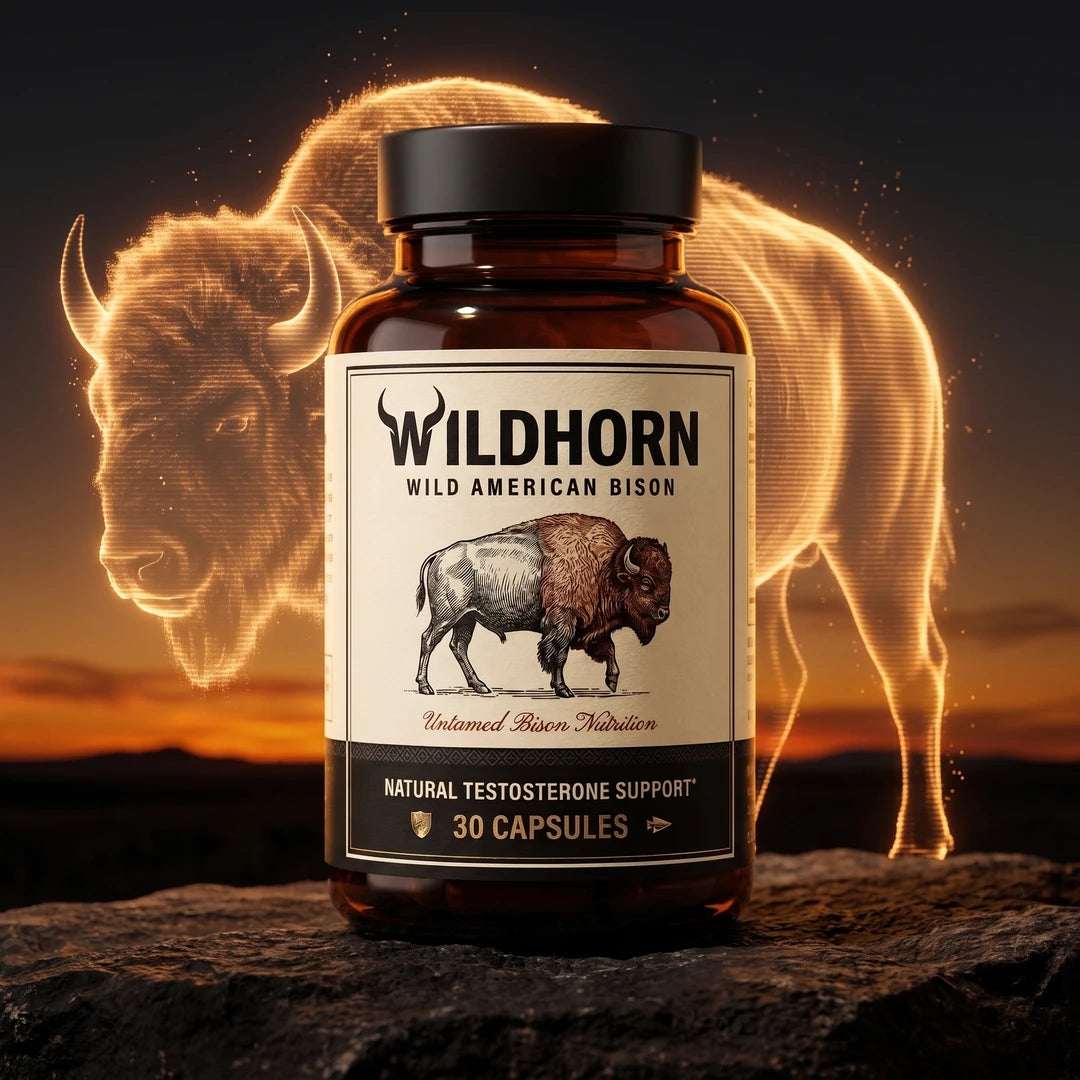
Customers often ask us whether our formula captures CoQ10 from the liver intact. Yes. The Wild American Bison product uses whole freeze-dried North American bison liver with no isolates or fractions, preserving the fat-soluble compounds naturally present in the raw material, including CoQ10 alongside vitamins A, D, K2, and B12.
Why the Animal's Life Changes What's in the Liver
The species comparison only tells part of the story. A grass-finished, pasture-raised beef liver from a small ranch has a meaningfully different nutrient profile than one from a conventionally managed feedlot animal. Wild bison, by default, are almost always grass-raised because grain finishing isn't standard practice in the American bison industry.
A few things that consistently differ between active, grass-raised animals and grain-fed counterparts:
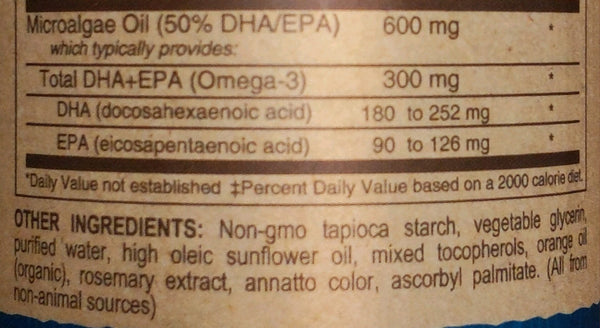
- Omega-3 to omega-6 ratio: Grass-fed animals show higher omega-3 concentrations in their tissue, including liver, because liver retains fat-soluble compounds from the animal's diet.
- Vitamin K2: Grass-fed ruminants convert plant K1 to K2 more efficiently than grain-fed animals. K2 concentrations are higher in the fat-soluble fraction of pasture-raised liver.
- Retinol (vitamin A): Pasture access supports higher retinol concentrations in liver tissue compared to grain-finished animals, based on published comparative analyses.
The label "bison liver" essentially defaults to grass-raised and active because that's what the American bison industry produces. The label "beef liver" could mean anything from premium grass-finished to standard commodity. Species tells you less than production method when you're trying to compare quality.
Which Liver Should You Actually Choose?
Pick based on your actual priorities. Not based on whichever sounds more exotic.
Zinc is your main target: beef liver wins. The 5.2 mg versus 3.1 mg difference is real and consistent across analyses. High-quality grass-finished beef liver or a desiccated beef liver supplement will serve that goal better per gram.
You want strong B12, copper intake that stays inside NIH upper limits, and the fat-soluble vitamin advantages of a wild, active, grass-raised animal: bison liver is the stronger pick. It's also the cleaner daily choice if you're supplementing consistently enough that copper accumulation becomes worth thinking about.
Most men aren't going to sit down with a plate of bison liver three times a week. That's exactly why the wild bison liver supplement format exists. Whole, freeze-dried North American bison liver in capsule form, no fillers, no grains, no flow agents from synthetic sources. A consistent daily input most men can maintain without rearranging their diet around organ meat.
Neither liver is wrong. They solve slightly different problems. Know which problem you're solving.
Frequently asked questions
Is bison liver more nutritious than beef liver?
It depends on the nutrient. Beef liver contains more zinc and copper per 100g by a clear margin. Bison liver may deliver slightly higher B12 density and potentially stronger CoQ10 content tied to the animal's active lifestyle. Bison liver also keeps copper intake inside NIH tolerable upper intake thresholds more comfortably for men eating liver frequently.
How much vitamin B12 is in bison liver?
Published analyses suggest bison liver delivers approximately 75 to 90 mcg of B12 per 100g cooked, compared to roughly 70.6 mcg for conventional beef liver. Both figures are far above the 2.4 mcg adult daily requirement. A single serving of either covers weeks of baseline B12 needs.
Does liver actually contain CoQ10?
Yes. Published measurements for beef liver find approximately 39 to 54 mg of CoQ10 per kilogram of fresh tissue, making it one of the richest dietary sources available. Bison liver-specific CoQ10 data is limited, but the animal's high daily activity level suggests concentrations at least comparable to beef liver, if not higher.
Can eating liver help support healthy testosterone levels?
Liver is a concentrated source of zinc and vitamin D, both of which help maintain testosterone levels already within a normal range. Neither liver nor any food supplement can raise testosterone above normal levels or supports hormonal conditions. These are nutritional supports for normal physiological function, not hormone therapies.
Is it safe to take a liver supplement every day?
Whole liver consumed daily at full food servings can deliver very high amounts of vitamin A and copper, both of which have established tolerable upper intake levels. Most health authorities suggest limiting whole liver meals to two or three times per week. Desiccated liver capsules use smaller concentrated doses that typically stay within safe daily ranges when taken as directed.
These statements have not been evaluated by the Food and Drug Administration. This product is not intended to diagnose, treat, cure, or prevent any disease.
Written by The Wildhorn Desk, Men's Health Editor.