How B12 and Iron Work Together in the Body
9 min read
B12 and iron are both required for healthy red blood cell maturation. B12 drives DNA synthesis in developing red blood cells. Iron builds the hemoglobin those cells carry. Each nutrient handles a different phase of the same process, and a shortage of either one disrupts red blood cell production in its own way.
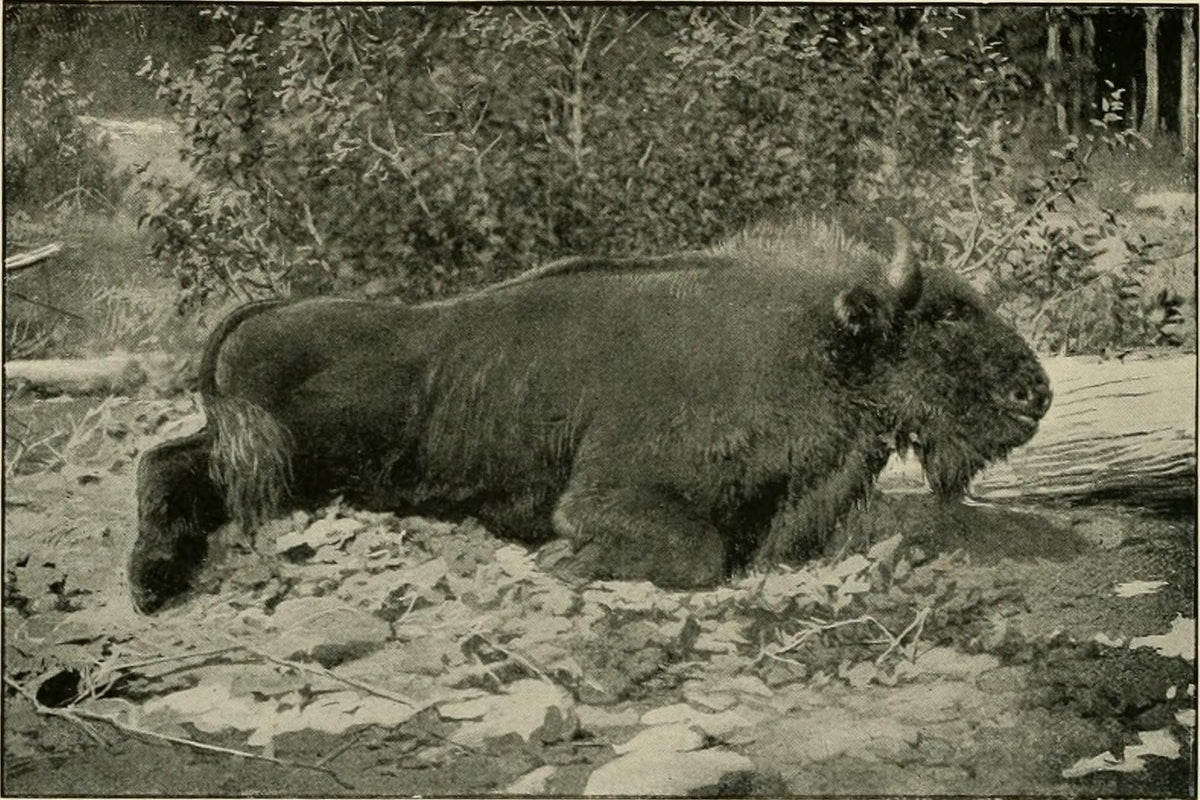
Internet Archive Book Images / CC0 / via Wikimedia Commons
What B12 and Iron Each Do
B12 is a water-soluble vitamin. It sits at the center of two enzymatic reactions the body runs continuously. One converts homocysteine to methionine. The other manages the metabolism of odd-chain fatty acids. Its most visible job is DNA synthesis. Every time a cell divides, it needs B12 to copy its genetic material correctly. Without it, cell division slows and goes wrong.
Iron has a different role. It is the core of hemoglobin, the protein inside red blood cells that carries oxygen from the lungs to every tissue. Without enough iron, hemoglobin cannot be built properly. Red blood cells end up small and pale, carrying less oxygen per cell.
The body holds most of its iron as hemoglobin, roughly 65 percent of total body iron. The rest sits mainly in the liver and spleen as ferritin, a storage protein. A smaller fraction works inside enzymes involved in energy metabolism. Iron is not just a blood nutrient. It is active in multiple cellular processes.
Red Blood Cell Maturation: Where the Two Nutrients Meet
Red blood cells start life as stem cells in bone marrow. They mature through a series of division stages. That is where B12 earns its place. B12 is required for the synthesis of thymidine, one of the four building blocks of DNA. Without enough B12, cell division slows. The developing cells grow larger than normal but cannot divide properly. The result is oversized, immature red blood cells that carry oxygen poorly.
Iron enters the picture later. Once a developing red blood cell has gone through its division stages, it needs iron to build hemoglobin. A young red blood cell called a reticulocyte actively imports iron during its final maturation phase. If iron is short, the cell ends up smaller than normal, with less hemoglobin inside.
So the two nutrients govern different phases of the same assembly line. B12 handles early cell division. Iron handles the final hemoglobin-loading phase. A shortage of either disrupts the line at a different point, with different effects on cell size and oxygen-carrying capacity. They are not interchangeable, and one cannot substitute for the other.
Absorption: Two Very Different Pathways
How these nutrients get into the body is worth knowing, because the routes are almost nothing alike.
B12 absorption is a multi-step process. In the stomach, acid and pepsin release B12 from food proteins. The freed B12 then binds to a protein called intrinsic factor, secreted by the stomach's parietal cells. This complex travels to the terminal ileum, where specialized receptors absorb it. Anything that reduces stomach acid, including age-related changes common after 50, can limit this pathway. The NIH Office of Dietary Supplements estimates that 10 to 30 percent of adults over 50 have reduced ability to absorb naturally occurring B12 from food for this reason.
Iron absorption is simpler but still selective. The intestine handles two forms differently. Heme iron, found in meat and organ meats, enters intestinal cells through a dedicated transporter. Absorption rates run roughly 15 to 35 percent. Non-heme iron, found in plants, grains, and most iron supplements, requires a chemical reduction step and competes with other minerals for the same transporters. Absorption rates for non-heme iron typically fall between 2 and 20 percent depending on what else is in the meal. Vitamin C enhances non-heme iron absorption. Calcium and tannins from tea or coffee can inhibit it. Heme iron is largely unaffected by these factors.
Heme Iron vs. Non-Heme Iron: Why the Form Matters
The label on a can of lentils may list 3 to 4 mg of iron per serving. The body absorbs a fraction of that. The rest passes through unabsorbed. This is not a labeling problem. It reflects a real structural difference in how the gut handles plant-source versus animal-source iron.
Heme iron is structurally bound inside a porphyrin ring, which the intestine imports directly as an intact unit. Non-heme iron must be reduced from its ferric state to ferrous form before absorption, a step that depends on conditions in the gut and on reducing agents like vitamin C present in the same meal. The NIH iron fact sheet covers these absorption differences in detail.
Organ meats rank among the densest combined sources of both heme iron and B12. A 3-ounce serving of beef or bison liver provides roughly 5 to 6 mg of heme iron and upwards of 70 micrograms of B12. The recommended dietary allowance for B12 in adults is 2.4 micrograms per day. These nutrients arrive together in a food matrix that also includes copper and vitamin A.
Copper matters here for a specific reason. The body uses a copper-dependent enzyme called ceruloplasmin to release stored iron from ferritin back into circulation. Low copper can impair iron mobilization even when total body iron stores are adequate. Liver is one of the few foods that supplies meaningful amounts of all three, B12, heme iron, and copper, in a single serving.
When Both Are Low: Why Blood Tests Can Miss It
A standard red blood cell count can look normal when a person is low in both B12 and iron at the same time. B12 shortfall tends to push average cell size up, because cells cannot divide properly and grow oversized. Iron shortfall pushes cell size down. When both are low simultaneously, the opposing effects on cell size can partially cancel each other out on a routine complete blood count, making the result appear closer to normal than the underlying picture actually is.
A more complete read requires looking at serum B12, ferritin (the iron storage marker), and transferrin saturation together. For most healthy men eating a varied diet with red meat, levels already within a normal range are the expected finding. The issue becomes more relevant for men who have significantly reduced their intake of animal foods, those with gut absorption issues, or anyone over 60 who has not had these markers checked in several years.
This is not medical advice. If you have specific questions about your own levels, a standard blood panel is the right starting point for that conversation.
Whole-Food Sources That Supply Both
Foods that provide meaningful amounts of both B12 and heme iron in a single serving:
- Organ meats (liver, heart, kidney): highest nutrient density per calorie for both nutrients, plus copper
- Red meat (beef, bison, venison): solid amounts of both, lower concentration than organs
- Clams and oysters: exceptionally high B12, moderate heme iron
- Sardines: useful amounts of both in a convenient, shelf-stable form
Customers often ask us about the difference between eating whole organ foods versus taking an isolated B12 or iron supplement. Isolated supplements have a clear place when a diagnosed deficiency needs correcting quickly. But the food matrix in organ meats provides cofactors, copper, vitamin A, CoQ10 from heart tissue, that a single-nutrient pill does not replicate. Nutrients that co-occur naturally in animal tissue have historically been consumed together.
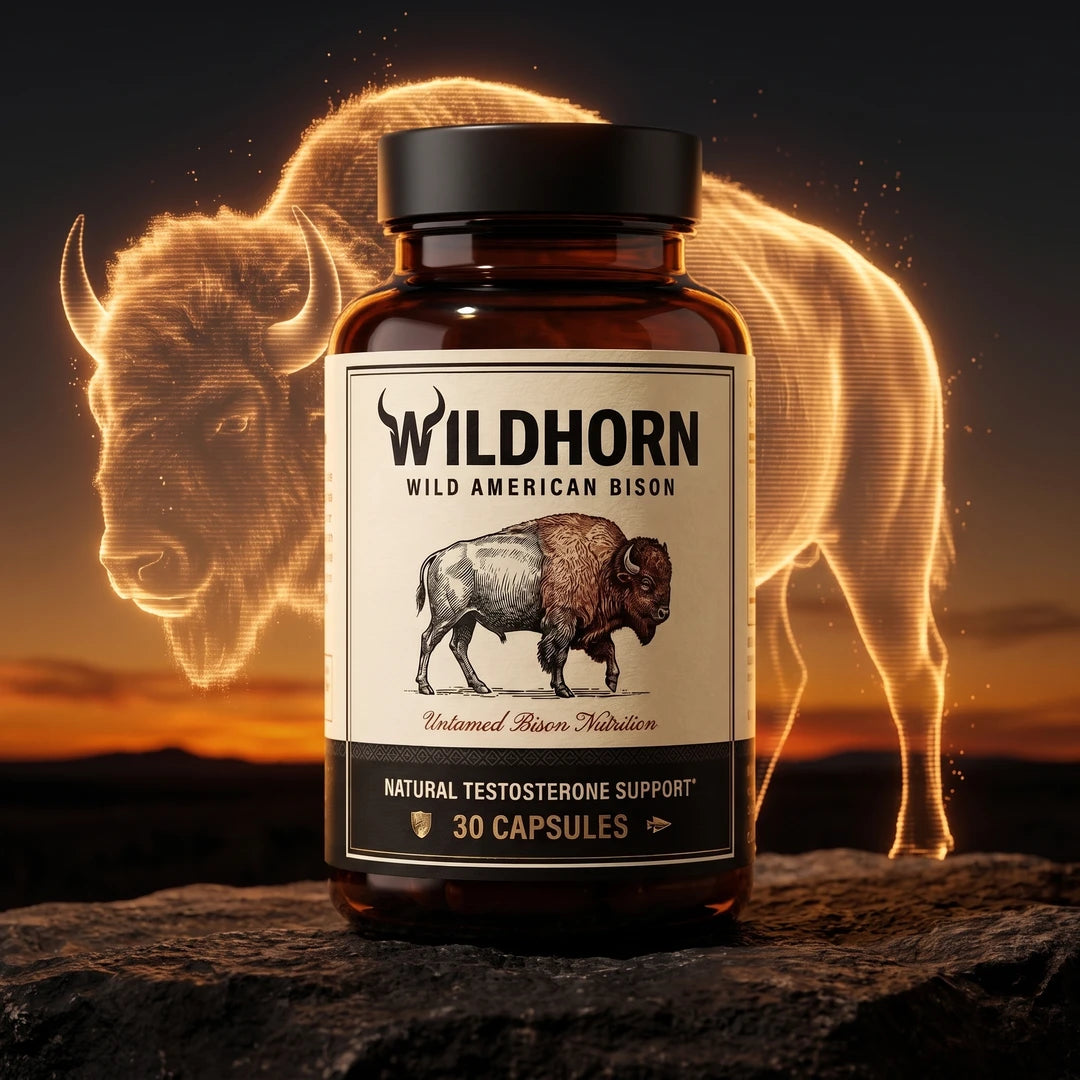
The Wildhorn bison organ blend is built on this whole-food logic: freeze-dried raw wild American bison organs, including liver for B12, heme iron, and copper, and heart for CoQ10, preserved in capsule form rather than broken down into isolated individual compounds.
Points Worth Keeping in Mind
A few practical notes on B12 and iron for men over 45:
- B12 from food requires adequate stomach acid for release. This process can become less efficient after 50, which is worth knowing if you rely on food-source B12 and have not had levels checked recently.
- If you rely on plant sources of iron, pair them with vitamin C. Avoid taking calcium supplements, tea, or coffee in the same meal.
- Ferritin reflects iron storage status more accurately than hemoglobin alone. Ask your doctor to include it on a routine panel.
- Copper is a downstream variable in iron metabolism. Liver and shellfish are among the few foods that supply significant copper alongside iron and B12 in the same serving.
- High-dose iron supplements can irritate the gut and interfere with zinc absorption. Food-source heme iron does not carry this risk at normal intake levels.
Both nutrients are well-established in the nutrition literature. The mechanisms described here are supported by decades of research. Getting them from food, in forms the body recognizes, is a reasonable approach for most men eating varied, animal-inclusive diets.
Frequently asked questions
Can you get enough B12 from plant-based foods?
B12 is found almost exclusively in animal products. Plants do not naturally contain it. Some fortified foods, including nutritional yeast, plant milks, and certain cereals, provide synthetic B12 that the body can absorb. Men who eat little or no animal food should check serum B12 periodically. Levels already within a normal range support healthy nerve and red blood cell function.
What is the difference between heme and non-heme iron?
Heme iron comes from animal sources and absorbs at roughly 15 to 35 percent. Non-heme iron from plants and most supplements absorbs at 2 to 20 percent depending on meal composition. Vitamin C improves non-heme absorption. Tea, coffee, and calcium can inhibit it. Heme iron is largely unaffected by these factors, which makes animal-source iron more reliably absorbed across a mixed diet.
Does B12 affect how the body uses iron?
Not directly, but the two connect through red blood cell production. B12 is needed for the DNA synthesis that drives red blood cell division. Iron is needed to load hemoglobin into those cells once they have divided. A shortfall in either nutrient disrupts production at a different stage. When both are low at the same time, the opposing effects on cell size can partially offset each other on standard blood tests, which is one reason checking both markers directly gives a clearer picture.
Why does liver naturally supply both B12 and iron?
Liver is the body's primary storage and processing organ for both nutrients. It accumulates B12 absorbed from food and holds the largest reserve of ferritin, the iron storage protein. Animal liver also stores copper, which supports the mobilization of iron from ferritin back into circulation. This co-occurrence means eating liver provides all three nutrients together in naturally occurring ratios, alongside vitamin A and other fat-soluble compounds.
Should men over 45 monitor their B12 and iron levels?
It is worth discussing at routine checkups. B12 absorption can become less efficient after 50 due to normal changes in stomach acid production. Iron status in men is generally more stable than in women, but ferritin can decline with reduced red meat intake over time. A panel that includes serum B12, ferritin, and transferrin saturation gives a more complete picture than hemoglobin alone. These are standard, low-cost markers that are already within a normal range in most healthy men eating a varied diet.
These statements have not been evaluated by the Food and Drug Administration. This product is not intended to diagnose, treat, cure, or prevent any disease.
Written by The Wildhorn Desk, Men's Health Editor.