Signs Your Diet May Be Low in Heme Iron
8 min read
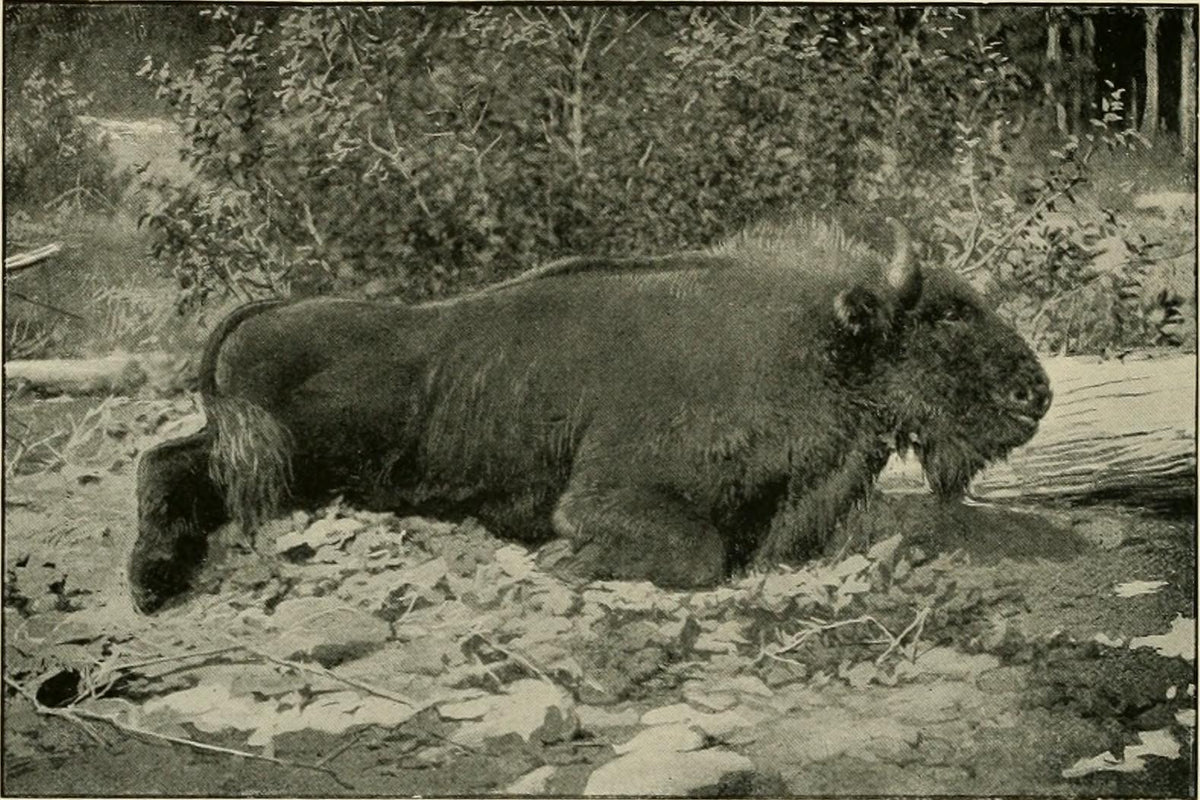
Two things reliably reduce heme iron intake: cutting back on red meat and organ meats, then replacing them with plant proteins that supply non-heme iron instead. Physical signals such as low energy, pallor, and cold extremities may suggest dietary heme iron is below optimal, though only a blood test confirms iron status.
Internet Archive Book Images / CC0 / via Wikimedia Commons
What Makes Heme Iron Different From Other Iron
Iron comes in two forms. Non-heme iron is found in plants, beans, and fortified cereals. Heme iron is found in animal tissue, bound to proteins called hemoglobin and myoglobin. That molecular difference matters more than most people expect.
Your gut absorbs heme iron at a rate somewhere between 15 and 35 percent. Non-heme iron clocks in at 2 to 20 percent under ideal conditions, and often much less. So two foods with identical iron content on a label can deliver very different amounts of usable iron depending on form.
The body relies on iron to support hemoglobin production and normal oxygen transport. Adequate heme iron intake helps maintain energy levels and cognitive function already within a normal range. The NIH Office of Dietary Supplements maintains a detailed breakdown of iron absorption factors if you want the full picture.
Eating Patterns That Often Limit Heme Iron
Heme iron tends to drop gradually rather than all at once. A few dietary shifts show up repeatedly in men whose intake falls below optimal:
- Cutting back on red meat. Beef, lamb, bison, and venison are the most concentrated heme iron sources available. Men who reduce red meat without replacing it with other animal protein tend to see the biggest drop.
- Leaning heavily on plant proteins. Lentils, beans, and spinach contain iron, but in the non-heme form. Without deliberate planning, a plant-forward diet can leave bioavailable intake short.
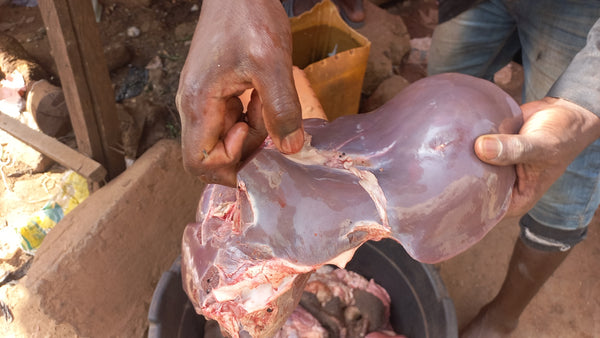
- Skipping organ meats entirely. Liver carries more heme iron per gram than any muscle cut. Most men in their 40s and 50s have not eaten liver since childhood, if at all.
- Drinking coffee or tea at meals. Polyphenols in both beverages can reduce non-heme iron absorption by 50 to 90 percent, according to research estimates. Heme iron is less sensitive, but not fully immune.
- Relying on fortified cereals as the main iron source. The iron added to breakfast cereals is typically ferrous sulfate or ferric oxide. Both are non-heme forms. They count toward a daily total on a label, but bioavailability remains lower than heme sources.
None of these patterns creates an immediate problem. Combined over years, they narrow the margin considerably.
Physical Signals Worth Paying Attention To
A blood panel is the only way to know your actual iron status. But certain physical signals appear consistently in people whose dietary iron intake falls below optimal. None is diagnostic on its own. Taken together, they suggest it is worth a closer look.
Low energy that does not track with your sleep. You log seven or eight hours. You still feel flat by mid-morning. Iron is central to oxygen delivery, and when intake drops, maintaining normal energy levels becomes harder.
Pale inner eyelids or pale nail beds. Pull your lower eyelid down gently. The inner surface should be a healthy pink-red. A washed-out appearance, or pallor in the nail beds, is one of the oldest clinical screening markers for suboptimal iron status.
Cold hands and feet. Iron supports normal circulation and temperature regulation. Persistently cold extremities, regardless of ambient temperature, can sometimes reflect low dietary iron among other contributing factors.
Difficulty concentrating. Iron is involved in the synthesis of dopamine and norepinephrine. Adequate intake helps maintain normal mental clarity and focus already within a normal range.
Unusual breathlessness during light activity. A single flight of stairs leaves you more winded than it should. Iron supports the red blood cell capacity that normal oxygen delivery depends on.
If more than one of these sounds familiar, talking to a doctor and running a basic blood panel is the right first step before changing anything about your diet.
Why Men Over 45 Often Overlook Their Heme Iron
Men over 45 are not traditionally considered high-risk for iron concerns, the way menstruating women are. That assumption has led a lot of men to stop paying attention entirely.
A few realities complicate the picture. Many men in this age range have deliberately reduced red meat for cardiovascular reasons. Digestive changes that accompany aging can affect nutrient absorption broadly, including iron. Men who exercise regularly have higher iron demands than sedentary peers, because red blood cells turn over faster under physical stress.
Customers often ask us whether the men who tend to get the most from whole-food organ supplements share a common background. The answer is usually yes: they are active, they have cut back significantly on red meat, and they have never tracked their iron intake at all.
That is not a rare combination in this age group. It is a common one.
The Best Dietary Sources of Heme Iron, Ranked
The recommended daily intake for adult men is 8 mg of iron per day. Here is what common heme iron sources deliver per 3-ounce cooked serving:
- Beef liver: approximately 5 to 6 mg
- Clams, canned and drained: upward of 23 mg total iron, with a significant heme fraction
- Oysters: 3 to 8 mg depending on size and preparation
- Venison: approximately 3.8 mg
- Bison, ground: approximately 2.5 mg
- Beef, lean ground: approximately 2.1 mg
- Dark turkey meat: approximately 1.6 mg
The gap between organ meats and muscle meat is not subtle. Beef liver carries roughly three times the iron content of ground beef. The difference compounds once you factor in absorption rates, since both land in the heme form.
Pairing any iron source with vitamin C at the same meal is most meaningful for non-heme absorption, but adding vitamin C remains a sensible habit regardless of which form you are eating.
Organ Meats and the Nutrients They Carry Together
Liver appeared in traditional diets across every culture that raised animals. It fell largely out of favor in the mid-twentieth century, replaced by muscle meat. That shift had nutritional consequences that are still playing out.
Organ meats are the most nutrient-dense parts of any animal. Liver supplies heme iron alongside vitamin B12, vitamin A, and copper, all in whole-food form. Heart is a concentrated source of CoQ10. These nutrients do not exist in isolation inside the organ. They arrive packaged together in the same matrix the body has always processed them from.
The practical barrier is taste and preparation. Beef liver has a strong flavor many people find hard to work into a regular routine. Bison organs, from wild or pasture-raised animals, tend to have a milder profile. For men who realistically will not eat liver weekly, freeze-dried organ capsules provide the same nutrient matrix without any cooking or prep.
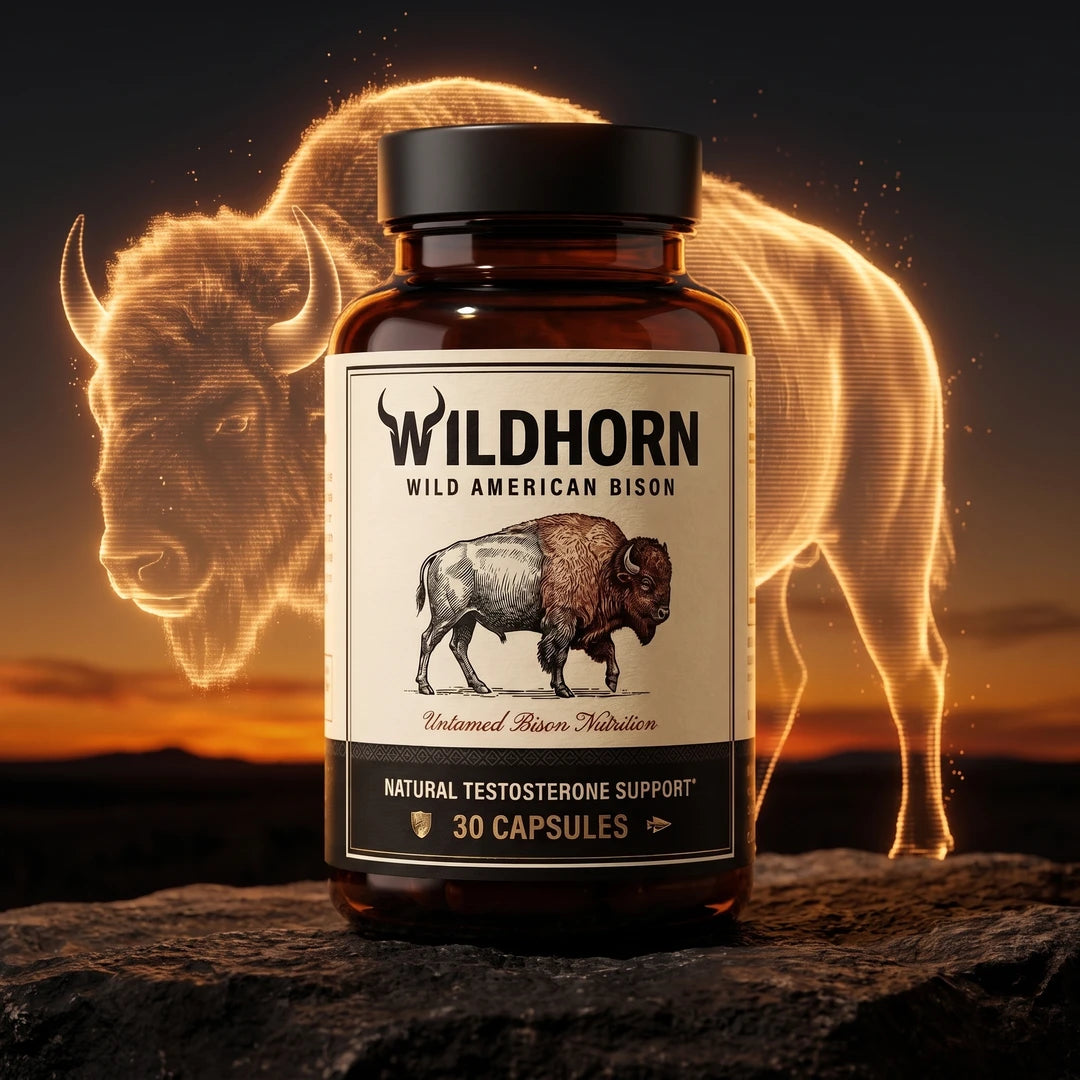
The team at our shop built our formula around freeze-dried wild American bison organs: liver, heart, kidney, and testicle. Four capsules a day, 422 mg each, providing the full nutrient matrix including heme iron, B12, vitamin A, copper, and CoQ10 in whole-food form.
Practical Steps to Improve Heme Iron Intake
If your diet leans away from organ meats and red meat, a few concrete adjustments can shift your intake without a full overhaul.
Eat organ meats once a week. A single weekly serving of liver makes a meaningful difference to your heme iron profile. Chicken liver is milder than beef. Bison liver, milder still.
Retime your coffee. A 30 to 60 minute gap between your iron-containing meal and your first cup reduces polyphenol interference measurably.
Add shellfish to the rotation. Clams and oysters rank among the most iron-dense foods available. They cook fast and require almost no preparation.
Space out calcium supplements. High-dose calcium taken with meals can reduce non-heme iron absorption. Taking it separately from your primary iron source is a simple fix.
Cook in cast iron when you can. Small amounts of iron leach into food during cooking. The contribution is minor, but it adds up over daily use.
Consider a whole-food organ supplement if organ meats are not a realistic weekly fixture. Freeze-dried liver capsules are not a substitute for a varied diet, but they do deliver the same nutrient matrix as the whole organ in a consistent daily form.
Frequently asked questions
What is the difference between heme and non-heme iron?
Heme iron is found in animal tissue and absorbed at roughly 15 to 35 percent efficiency. Non-heme iron, found in plants and fortified foods, absorbs at 2 to 20 percent. Total iron content per gram may look identical on a nutrition label, but the form determines how much the body actually takes in.
Can I get enough heme iron without eating red meat?
Red meat is the most common source, but not the only one. Poultry, fish, shellfish, and organ meats all supply heme iron. Liver delivers significantly more per gram than any muscle cut. Regular consumption of these foods can support adequate intake without relying on beef or lamb specifically.
Does cooking method affect how much heme iron is available?
High heat can modestly reduce iron content, though the effect is smaller for heme iron than for some other nutrients. Shorter cook times and lower temperatures preserve more. Cooking in cast iron adds small amounts of iron to food, which contributes marginally to overall intake over time.
What foods or drinks reduce iron absorption?
Phytates in whole grains and legumes, polyphenols in coffee and tea, and high-dose calcium supplements taken at meals can all reduce non-heme iron absorption. Heme iron is less affected by these factors, though not entirely immune. Spacing these inhibitors away from your main iron-containing meals is the simplest practical adjustment.
Are organ meat capsules a good source of heme iron?
Freeze-dried organ supplements preserve the nutrient matrix of the whole organ, including heme iron, B12, vitamin A, and copper, in whole-food form. They are not a replacement for a varied diet, but for men who do not eat organ meats regularly, they provide a consistent daily source of these nutrients. Talk to a doctor before starting any new supplement.
These statements have not been evaluated by the Food and Drug Administration. This product is not intended to diagnose, treat, cure, or prevent any disease.
Written by The Wildhorn Desk, Men's Health Editor.