Bison Liver vs Beef Liver: Nutrients Compared
9 min read
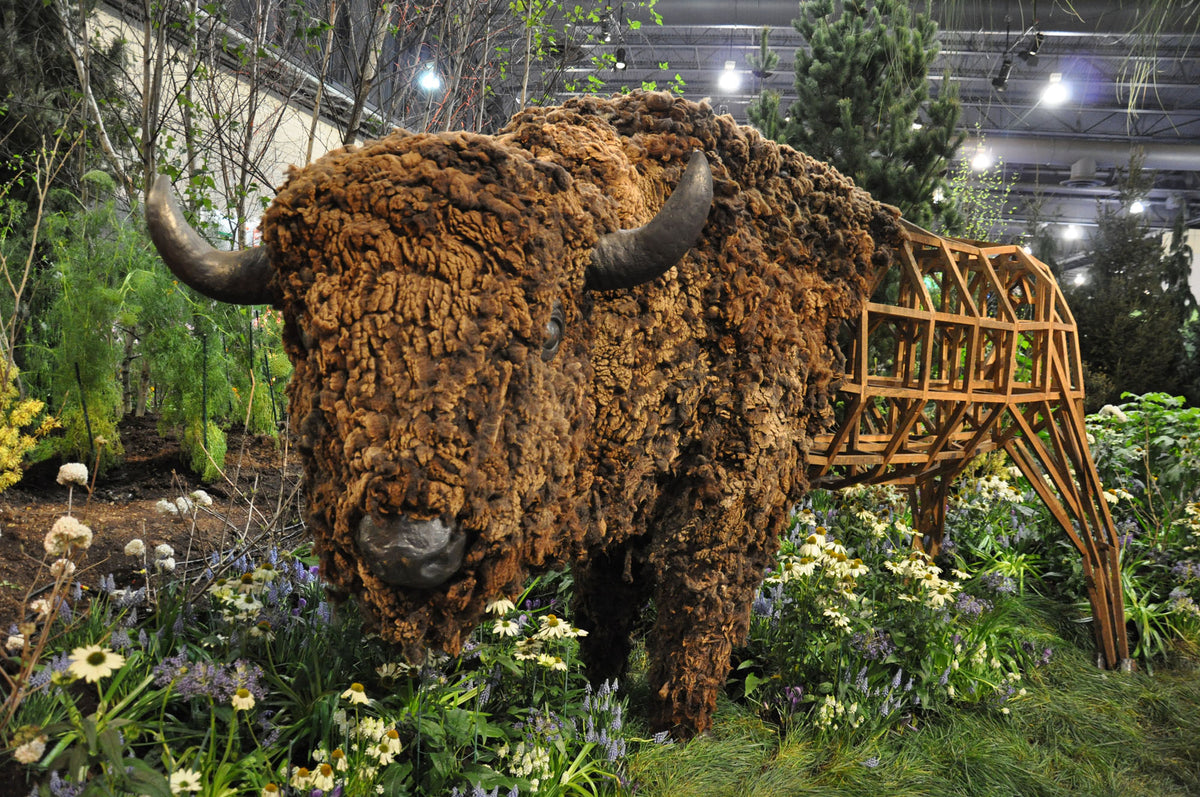
Both bison liver and beef liver are among the most nutrient-dense whole foods available, delivering high concentrations of retinol, B12, heme iron, and copper per 100g serving. Bison liver trends slightly lower in copper, comparably high in B12, and measurably higher in vitamin E due to the animal's grass-foraged diet.
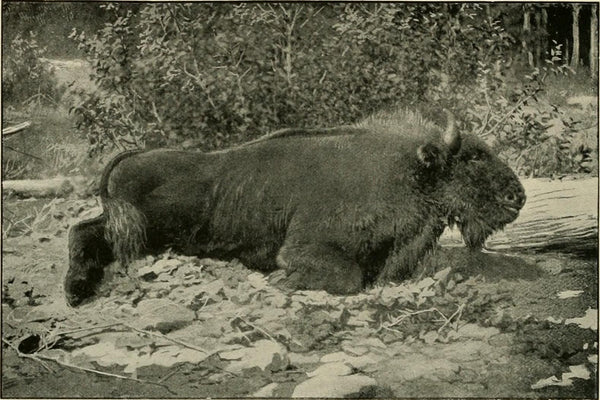
"2016-03-07 0890n bison (28051155086)" by Laura Blanchard from Philadelphia, USA is licensed under CC BY-SA 2.0. To view a copy of this license, visit https://creativecommons.org/l
Why Liver Is Still the Nutrient Standard
Organ meats fell out of fashion somewhere around 1975. That was a mistake. Gram for gram, liver outpaces virtually every other whole food on fat-soluble vitamins, B vitamins, and trace minerals. No supplement stack reliably replicates it.
Customers often ask us whether the liver source matters, specifically whether wild bison liver and conventional beef liver are interchangeable. The honest answer: they are close, but not identical. The differences are meaningful for men who want the most from every dose.
This article puts the two side by side using real USDA figures. No hype. Just the numbers and what they mean in practice.
Fat-Soluble Vitamins: Vitamin A and Vitamin E
Vitamin A as retinol is where liver makes its most dramatic impression.
Braised beef liver delivers roughly 6,582 mcg RAE of retinol per 100g. That is 731 percent of the daily value in a single serving. Raw bison liver sits in a comparable range, though figures vary by animal and processing method. The difference between the two sources on vitamin A is not large enough to be the deciding factor.
What is worth noting: retinol has an established upper tolerable intake of 3,000 mcg RAE per day for adults. One 100g serving of either liver type exceeds that threshold. This is exactly why a guideline of roughly two servings per week, rather than daily large portions, is the standard practical recommendation for whole-liver food use. Capsule-format freeze-dried liver delivers a much smaller per-serving dose, which sits comfortably within daily use ranges.
Vitamin E is where bison liver distinguishes itself. Wild bison graze on diverse native grasses and forbs. That foraging pattern produces measurably higher tocopherol levels in their tissues compared with grain-finished cattle. Vitamin E is an antioxidant nutrient that plays a role in supporting normal cell membrane integrity. Grass-finished beef liver narrows this gap, but conventionally raised beef liver does not.
B Vitamins: B12, Riboflavin, and Folate
B12 is the headline figure here. Beef liver braised per 100g contains approximately 83 mcg of B12, which is 3,458 percent of the daily value. Raw bison liver delivers approximately 70 to 80 mcg per 100g. The gap is modest. Both sources provide B12 in quantities that dwarf any other common food.
B12 in food is bound to protein and must be cleaved by stomach acid before absorption. The natural food matrix in liver, whether bison or beef, provides this vitamin in its native cobalamin form rather than as a synthetic cyanocobalamin isolate. That distinction matters to men who are attentive to whole-food nutrient forms.
Riboflavin (B2) in braised beef liver runs around 3.5 mg per 100g, well above the 1.3 mg adult daily value. Folate comes in at roughly 270 mcg per 100g, about 68 percent of the daily value. Bison liver data on these specific B vitamins is less uniformly reported in USDA databases, but the biological similarity between the two liver types suggests comparable ranges.
Taken together, the B vitamin profile of liver supports normal red blood cell production, helps maintain energy metabolism already within a normal range, and contributes to standard neurological function. These are structure and function roles these nutrients play regardless of the food source.
Heme Iron and Copper: The Trace Mineral Gap
Iron from liver is heme iron. That distinction is not trivial.
Heme iron, the form found in animal tissue, absorbs at 15 to 35 percent efficiency. Non-heme iron from plant sources absorbs at only 2 to 20 percent, and that upper end requires optimal conditions. The NIH Office of Dietary Supplements documents this absorption differential clearly. For men whose dietary iron comes primarily from plant foods or fortified cereals, the practical gap is significant.
Beef liver contains approximately 6.5 mg of iron per 100g, predominantly as heme iron. Wild bison, being more physically active animals with higher oxygen-carrying demands, often trend toward the higher end of that range or slightly above. The data is not uniformly consistent across sources, but the physiological rationale is sound.
Copper is where beef liver leads by a measurable margin. Braised beef liver delivers roughly 14 mg of copper per 100g, which is 1,556 percent of the daily value. Bison liver typically falls in the 10 to 13 mg range. Both figures far exceed daily requirements. Copper plays a role in supporting normal iron metabolism, helps maintain connective tissue already within a normal range, and contributes to standard antioxidant enzyme function.
The USDA FoodData Central database is the primary source for these figures. Bison liver entries are less consistently populated than beef liver entries, which reflects the smaller commercial production volume of bison rather than any data quality issue.
Zinc and Selenium: Rounding Out the Profile
Beef liver provides approximately 5.5 mg of zinc per 100g, around 50 percent of the daily value, and roughly 36 mcg of selenium, about 65 percent of the daily value. Zinc supports normal immune function and plays a role in maintaining enzyme activity already within a normal range. Selenium contributes to standard thyroid function and antioxidant processes.
Bison liver data on zinc and selenium is less consistently reported in large USDA datasets. Given the similar tissue biology between bovine species, the values are expected to be in the same neighborhood. Wild forage diets can influence selenium content depending on the soil mineral profile of the grazing region.
Neither source is deficient on these markers. Both are strong whole-food contributors to the trace mineral intake of men who eat organ meats regularly.
Freeze-Drying vs Cooking: How Processing Affects Nutrients
Cooking liver, whether braised or pan-fried, exposes heat-sensitive nutrients to temperatures that degrade them. B vitamins, particularly B12 and folate, are water-soluble and leach into cooking liquid or are partially destroyed by sustained heat. Vitamin E, being fat-soluble, is more stable but not immune to oxidation at high temperatures.
Freeze-drying removes moisture through sublimation at low temperatures under vacuum. The heat exposure is minimal. This approach preserves heat-sensitive vitamins at levels closer to the raw tissue baseline than any high-heat drying method.
In our formula, all organs are freeze-dried raw, not cooked or spray-dried. The goal is to keep the nutrient profile as close to the whole raw tissue as possible. Each capsule contains 422 mg of freeze-dried material. At the recommended four capsules per day, the daily dose is 1,688 mg of freeze-dried organ blend, a fraction of a full 100g liver serving but delivered daily in a consistent, controlled amount that sits well within safe intake ranges for all nutrients present.
Which Source Makes More Sense for Daily Use
For a man eating whole liver two to three times per week, the difference between bison and beef liver is real but not dramatic. Beef liver edges ahead on copper. Bison liver trends higher on vitamin E and often on iron. B12 is high in both. Either source, prepared without excessive heat, delivers a dense nutrient payload no supplement formulation has consistently matched.
The practical constraint with whole liver is preparation frequency and the retinol ceiling. Eating 100g of liver daily would exceed the tolerable upper intake for vitamin A over time. A freeze-dried capsule format solves that by delivering a calibrated daily dose that supports consistent nutrient intake without the risk of overshooting fat-soluble vitamin thresholds.
Wild bison specifically brings one factor that farmed beef cannot: a truly free-range life on native grassland. That translates into a different fatty acid profile, higher vitamin E, and the absence of confined feeding conditions. For men who care about the sourcing of what they put in their body, that distinction carries weight.
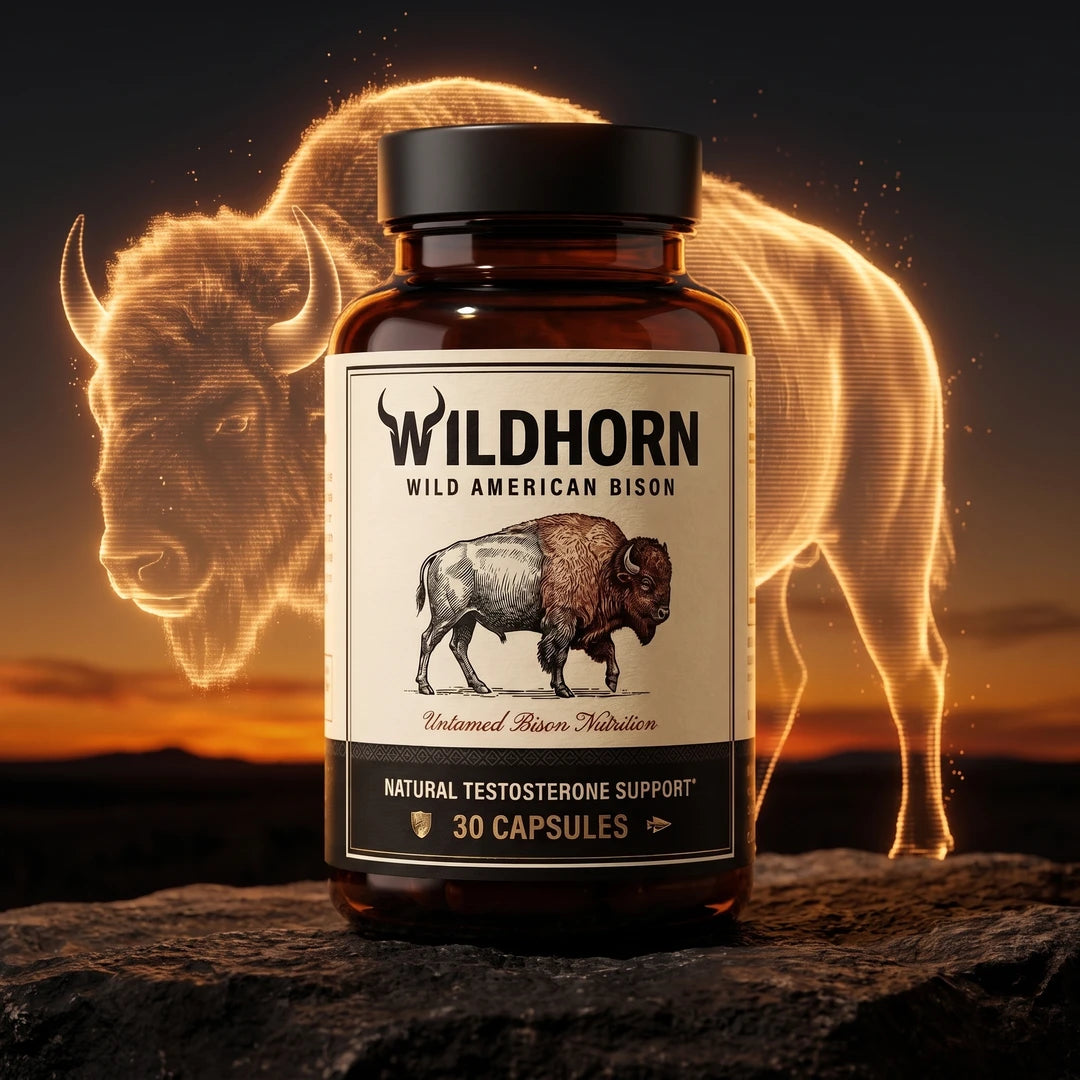
The team at the Wildhorn shop sources exclusively from wild American bison for exactly this reason. The animals are not farmed. They are harvested from free-ranging herds, and the organs are freeze-dried raw to preserve the nutrient profile that makes liver worth eating in the first place.
Frequently asked questions
Is bison liver higher in vitamin B12 than beef liver?
Bison liver delivers approximately 70 to 80 mcg of B12 per 100g raw. Braised beef liver is measured at roughly 83 mcg per 100g. Both figures represent extraordinarily high concentrations relative to daily needs. The practical difference between the two sources on B12 is small.
Why does beef liver have more copper than bison liver?
Copper content in liver reflects a combination of diet, breed, and metabolic rate. Conventionally raised cattle on grain-heavy diets consistently show very high hepatic copper accumulation, reaching around 14 mg per 100g in braised beef liver. Wild bison liver typically falls in the 10 to 13 mg range. Both values far exceed daily requirements, and copper plays a role in supporting normal iron metabolism and antioxidant enzyme function already within a normal range.
How much liver is safe to eat per week?
The practical guideline most nutrition researchers reference is roughly two servings per week for whole liver, each around 100g. This accounts for the retinol content, which at 6,500 or more mcg RAE per 100g serving exceeds the 3,000 mcg RAE upper tolerable intake for a single day. Spreading servings across a week allows the body to clear excess retinol between doses. Freeze-dried capsule formats deliver far smaller amounts per serving and are designed for daily use within safe ranges.
Does freeze-drying preserve B12 better than cooking?
Yes. B12 is a water-soluble vitamin sensitive to heat and moisture. Braising or pan-frying liver exposes B12 to temperatures and cooking liquid that reduce its concentration relative to the raw tissue. Freeze-drying removes moisture at low temperature under vacuum, preserving the nutrient profile closer to the raw baseline. This is one reason freeze-dried organ supplements deliver measurable B12 content without the losses associated with conventional cooking.
What is heme iron and why does it matter?
Heme iron is the form of iron bound to hemoglobin and myoglobin in animal tissue. It absorbs at 15 to 35 percent efficiency in the human gut. Non-heme iron from plant sources absorbs at only 2 to 20 percent under optimal conditions, and absorption is further inhibited by phytates, oxalates, and other compounds in plant foods. Liver from both bison and beef delivers iron primarily in heme form, making it one of the most bioavailable dietary iron sources available.
These statements have not been evaluated by the Food and Drug Administration. This product is not intended to diagnose, treat, cure, or prevent any disease.
Written by The Wildhorn Desk, Men's Health Editor.