CoQ10 in Food vs Supplement Form: An Honest Comparison
8 min read
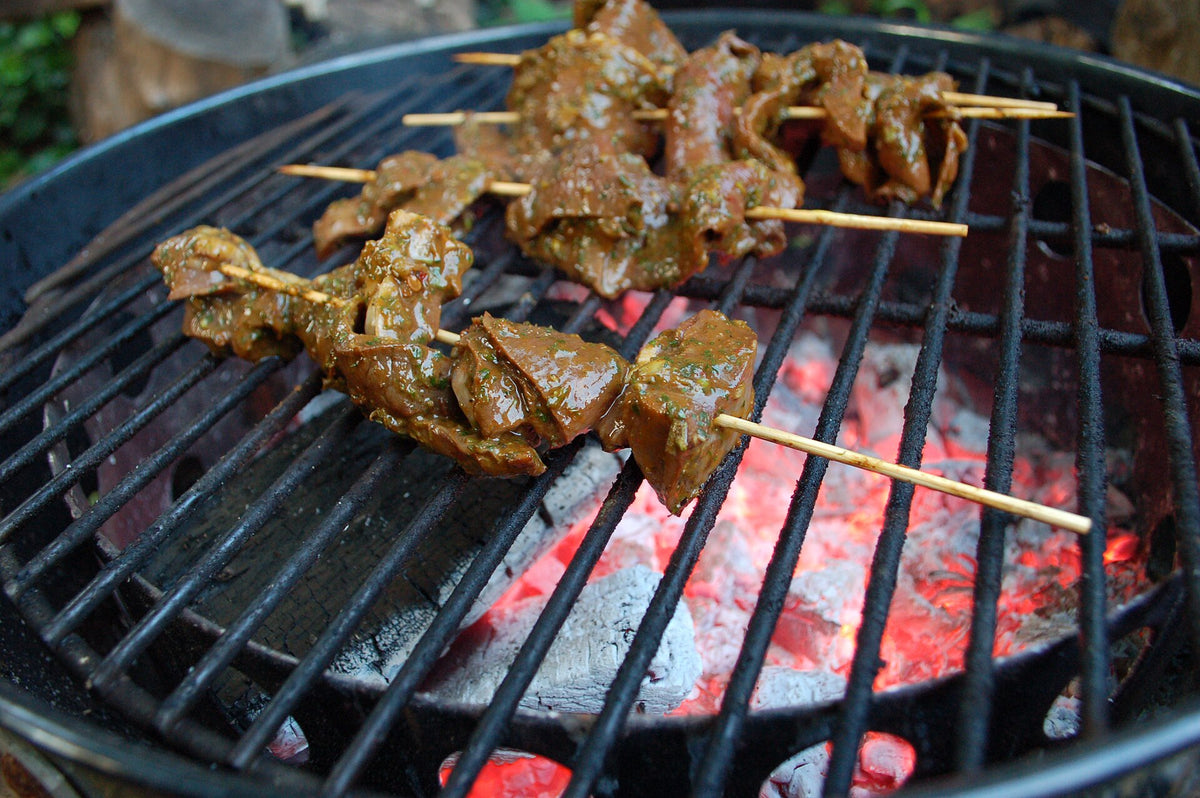
CoQ10 is found in meaningful amounts in organ meats, particularly heart muscle, and in encapsulated supplement form. Food delivers CoQ10 within a natural matrix alongside fat and co-factors. Supplements offer higher standardized doses. The gap between ubiquinone and ubiquinol is smaller than marketing implies; fat intake at absorption time matters most.
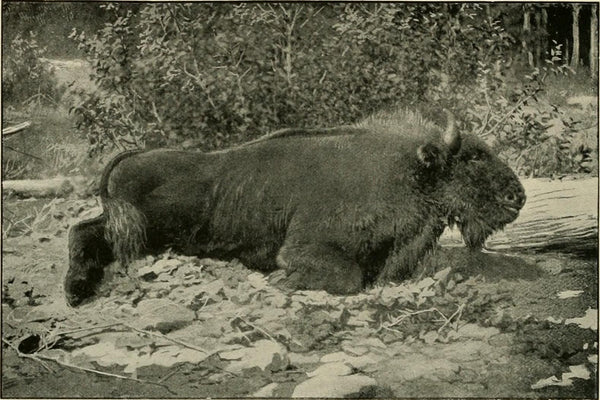
Carly & Art / CC BY-SA 2.0 / via Wikimedia Commons
What CoQ10 Is and Where It Concentrates in the Body
Coenzyme Q10 is a fat-soluble compound found in virtually every cell. It sits inside mitochondria, the structures responsible for converting nutrients into usable energy. Tissues with the highest energy demands carry the most of it. Heart muscle, liver, and kidney rank at the top.
The body makes CoQ10 through a multi-step biosynthetic pathway that depends on several B vitamins and amino acids. Production is not fixed across a lifetime. A study in the Journal of the American College of Nutrition measured CoQ10 levels in human heart muscle across different age groups and found meaningful reductions by the seventh and eighth decades of life.
That age-related decline is why CoQ10 attracts attention from food scientists and the supplement industry alike. The practical question is how differently the body handles CoQ10 depending on whether it arrives from food or from a capsule.
CoQ10 in Organ Meats and Other Food Sources
Not all foods deliver meaningful CoQ10 amounts. Vegetables like spinach and broccoli show up in published food composition databases, but concentrations are low. Values typically fall between 1 and 5 mg per 100 grams. Muscle meat from beef and chicken lands higher, around 3 to 9 mg per 100 grams depending on cut and preparation.
Organ meats occupy a different tier entirely. Beef heart consistently registers the highest values in food composition analyses. Published figures cluster around 113 mg per 100 grams. Chicken heart runs about 73 mg per 100 grams. Liver and kidney contain less CoQ10 than heart but significantly more than muscle cuts.
The anatomy explains the gap. The heart is a muscle that never stops contracting. High mitochondrial density is a structural necessity, not a coincidence. Mitochondria require CoQ10 to function, so tissues rich in mitochondria concentrate it naturally. Wild bison follow the same biochemistry. Their heart tissue reflects a profile shaped by continuous movement across open range, without the metabolic disruption of grain finishing.
Ubiquinone vs. Ubiquinol: What the Difference Actually Means
CoQ10 exists in two main forms: ubiquinone (the oxidized form) and ubiquinol (the reduced form). Same molecule, different redox states. The distinction matters for absorption and for evaluating what supplement labels are actually selling you.
Ubiquinone is found in most standard supplements and in most food sources. Before cells can use it, they must convert it to ubiquinol using enzymes and reducing cofactors. In healthy individuals, that conversion proceeds readily. At rest, roughly 90 to 95 percent of plasma CoQ10 circulates as ubiquinol regardless of which form was consumed.
Ubiquinol supplements skip the conversion step. A 2011 study in Nutrition Journal found higher plasma levels after single-dose ubiquinol ingestion compared to ubiquinone at the same dose. Other research shows that with consistent dosing over several weeks, the gap in plasma outcomes between the two forms narrows substantially.
The most important variable for either form? Fat at the time of ingestion. CoQ10 is lipophilic. It absorbs through the lymphatic system alongside dietary fats. Taking any CoQ10 supplement with a fat-free meal blunts absorption measurably, regardless of whether the label says ubiquinone or ubiquinol.
How the Body Handles CoQ10 From Whole Food
When CoQ10 arrives from food, it comes packaged inside cells. The surrounding structure includes phospholipids, other fat-soluble compounds, and the natural fat content of the tissue itself. Absorption follows the lymphatic route, the same pathway used by fat-soluble vitamins A, D, E, and K.
Whether the food matrix improves absorption compared to an isolated supplement is an open research question. Most CoQ10 bioavailability studies use supplement formulations, not whole-food interventions at matched doses. The comparison is genuinely hard to design. Eating 100 grams of beef heart is not equivalent to swallowing a 113 mg ubiquinone capsule. The food contains dozens of other compounds alongside the CoQ10.
What does appear clear is that the fat naturally present in organ meats supports CoQ10 absorption in the same way that supplemental fat does. Eating heart as part of a full meal is roughly how it has always been consumed in traditional diets, and that context is nutritionally relevant.
Customers often ask us whether regular heart consumption can meaningfully contribute to CoQ10 intake. The answer is yes, depending on portion size and frequency. A 100-gram serving of bison heart consumed several times per week delivers a real cumulative contribution, not a trace amount.
What Encapsulated Supplements Offer That Food Cannot
Dose precision is the obvious advantage. A standard CoQ10 capsule delivers 100 to 300 mg per serving. Matching that from food alone would require eating a substantial portion of heart daily, which is not realistic for most people on most days.
Ubiquinol formulations add a second advantage for individuals whose conversion efficiency has declined. Oil-based softgel delivery systems, designed specifically around CoQ10's lipophilic chemistry, reliably improve absorption compared to dry powder capsules.
The trade-off: supplements deliver an isolated compound. The surrounding cellular matrix is absent. For fat-soluble vitamins like A and K, there is evidence that food-matrix delivery affects how compounds are transported and stored in the body. Whether that principle applies equally to CoQ10 remains an active area of research. The honest answer is that the data does not yet clearly favor one form over the other on this specific point.
Comparing Food and Supplement Sources Side by Side
A direct look at what each approach actually provides:
- Food-form CoQ10 (organ meats, especially heart): arrives within a natural lipid matrix alongside co-factors and fat-soluble nutrients; lower dose per serving; requires regular consumption of heart tissue specifically; pairs with B vitamins, heme iron, copper, and other compounds present in liver and kidney
- Encapsulated ubiquinone: dose-controlled and consistent; requires conversion to ubiquinol; benefits substantially from fat co-ingestion; delivers CoQ10 without the surrounding food matrix
- Encapsulated ubiquinol: pre-reduced form; absorbs efficiently in oil-based delivery; may offer a modest efficiency advantage for older adults whose conversion ability has declined; also requires fat co-ingestion for best absorption
Age is a real variable here. The enzymatic conversion from ubiquinone to ubiquinol appears to become less efficient over time. For men in the 45 to 65 range, that has some practical bearing on which supplement form makes sense. It does not mean ubiquinone stops working. It means ubiquinol may offer a small efficiency advantage for that demographic.
In our formula, bison heart is one of four freeze-dried raw organs alongside liver, kidney, and testicle. The freeze-drying process preserves heat-sensitive compounds, including CoQ10, without applying the temperatures that cooking uses. Four capsules per day at 422 mg each provides concentrated organ tissue without a regular trip to the butcher.
Practical Guidance for Making a Choice
Start with your diet. If you already eat heart muscle several times per week, you are getting a real contribution from food-form CoQ10 alongside a broader nutrient package. Add a supplement if you want dose certainty or if whole organ consumption is not feasible in your daily routine.
If you choose a supplement, think about the form. Ubiquinol is worth considering for men over 50, particularly those with reduced antioxidant enzyme activity. If you use ubiquinone, take it with a fat-containing meal every time. That single habit makes more difference than the choice between forms.
Consistency matters more than single-dose optimization. Plasma CoQ10 levels already within a normal range respond to regular, sustained intake over weeks. One large dose does little. Frequency is the more important variable than which exact form you use.
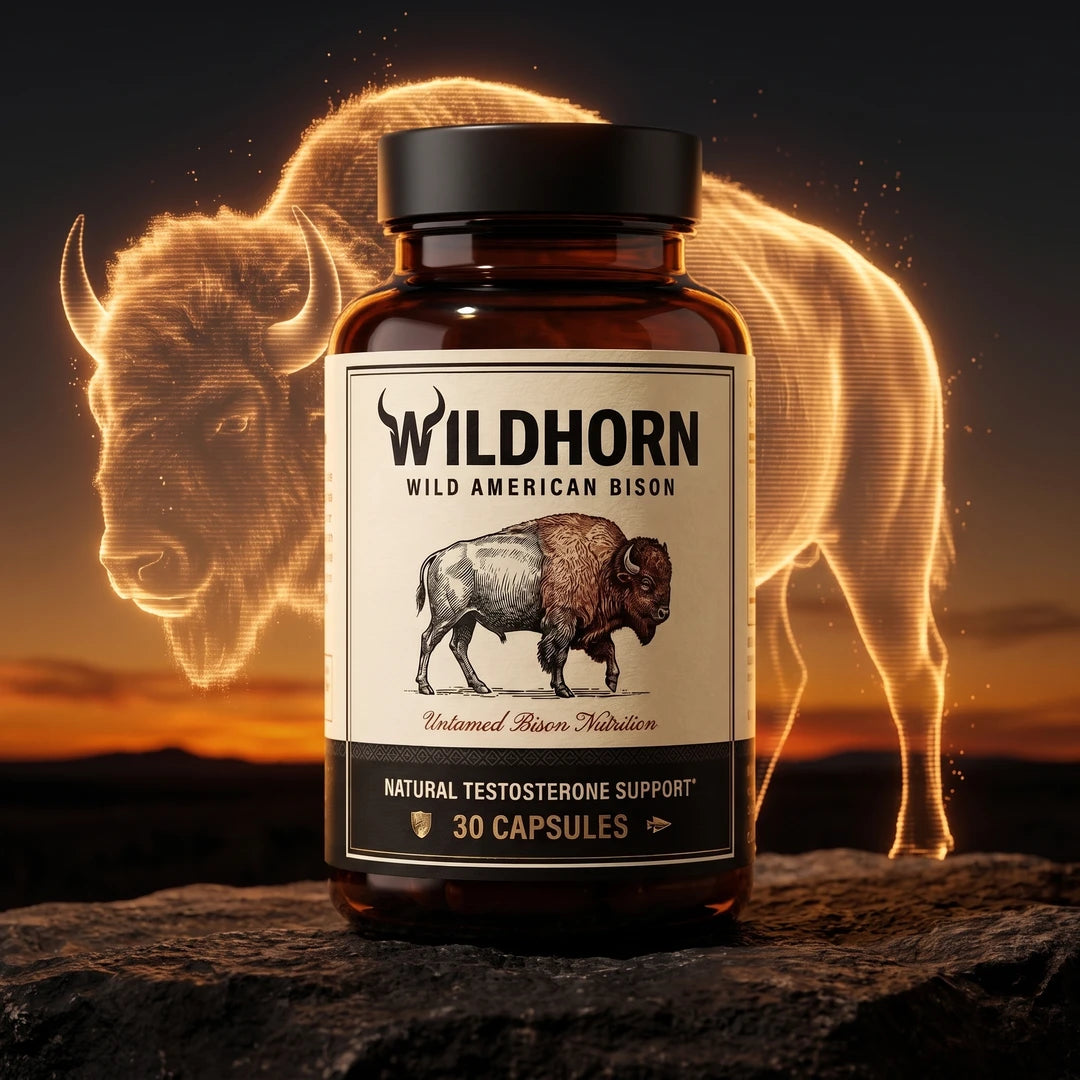
The team behind Wildhorn sources wild bison organs from open-range animals and freeze-dries them raw to preserve nutrient integrity, including CoQ10 and the other compounds naturally concentrated in heart, liver, and kidney. The goal is whole-food nutrition without changing how you cook. Not a replacement for a varied diet; a way to include organ nutrition consistently.
Frequently asked questions
What food has the highest concentration of CoQ10?
Beef heart and bison heart consistently top food composition analyses, with published values around 113 mg per 100 grams. Chicken heart comes in close behind at roughly 73 mg per 100 grams. Liver and kidney contain less CoQ10 than heart but significantly more than muscle cuts like steak or chicken breast. For whole-food CoQ10, heart muscle is the most concentrated practical source.
Is ubiquinol always a better choice than ubiquinone?
Not necessarily. For younger adults with efficient antioxidant enzyme activity, the body converts ubiquinone to ubiquinol without difficulty, and the practical difference in plasma outcomes is smaller than supplement marketing suggests. The advantage of ubiquinol appears more meaningful for men over 50 whose conversion efficiency may have declined. Both forms raise plasma CoQ10 levels already within a normal range when taken consistently alongside dietary fat.
Does cooking reduce CoQ10 in organ meats?
Yes. Heat degrades CoQ10. Published data suggests cooking can reduce CoQ10 content in meat by 14 to 32 percent depending on method and temperature. Boiling causes more loss than lower-temperature methods like gentle pan cooking. Freeze-drying removes moisture without applying high heat, which is why freeze-dried organ products are specifically designed to retain heat-sensitive compounds more fully than cooked preparations.
Is there a recommended daily intake for CoQ10?
There is no established Recommended Dietary Allowance for CoQ10 because the body synthesizes it on its own. Most supplement research examining plasma CoQ10 levels already within a normal range uses doses between 100 and 300 mg per day. Dietary contribution varies widely based on organ meat consumption habits. Plasma levels respond to sustained intake over several weeks rather than to a single large dose.
Can organ meats replace CoQ10 supplements entirely?
That depends on how often and how much heart tissue you eat. Regular portions of heart muscle can contribute meaningfully to daily CoQ10 intake. A single 100-gram serving of bison or beef heart delivers a substantial amount compared to most other foods. For individuals who do not eat organ meats regularly, encapsulated forms remain a practical option. The two approaches are not mutually exclusive and can complement each other.
These statements have not been evaluated by the Food and Drug Administration. This product is not intended to diagnose, treat, cure, or prevent any disease.
Written by The Wildhorn Desk, Men's Health Editor.