Dietary Fat and Testosterone: What Men Over 45 Should Eat
8 min read
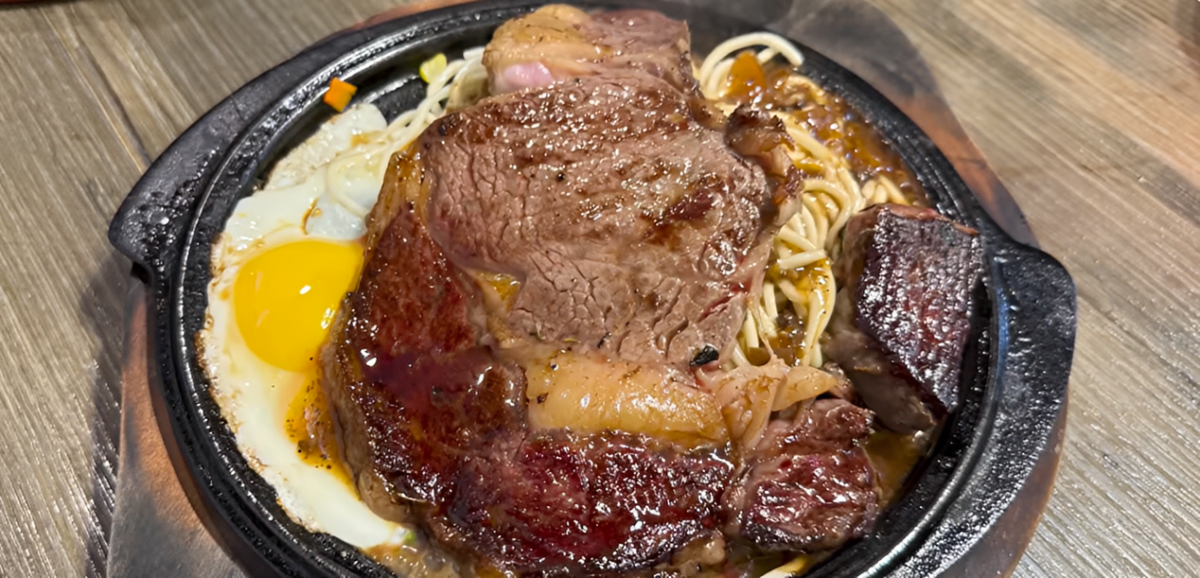
Dietary fat is the direct precursor to testosterone. Cholesterol, derived primarily from the fat you eat, is the raw material your Leydig cells use to synthesize testosterone. Men who chronically undereat fat, especially saturated and monounsaturated varieties, often see testosterone readings drop to the lower end of the normal range.
Why Fat Got Villainized, and Why That Matters Now
Somewhere around 1980, American dietary guidelines turned against fat. Low-fat yogurt lined every grocery shelf. Men switched from eggs to cereal. Fat was the enemy of heart health, the story went, and for about 40 years a lot of guys believed it.
That story was incomplete. What got lost in the low-fat push was the role dietary fat plays in hormonal health, specifically in maintaining testosterone levels as men age. Testosterone starts declining around age 30. By 45, the drop is measurable. The food choices a man makes can either support that process or work against it.
This is not about ignoring cardiovascular health. It is about understanding that fat is not one thing. The type, the amount, and the source all matter.
Cholesterol Is the Raw Material for Testosterone
Testosterone is a steroid hormone. All steroid hormones are built from cholesterol. That is not a metaphor or a loose approximation. It is biochemistry. Your Leydig cells, located in the testes, take LDL-derived cholesterol and convert it through a multi-step enzymatic process into testosterone.
Without adequate cholesterol substrate, that pathway slows. A landmark analysis published in the Journal of Steroid Biochemistry found that dietary fat intake correlates with circulating testosterone levels in healthy men. Subjects eating the least fat had the lowest testosterone. Subjects eating more fat, particularly saturated and monounsaturated fat, had higher levels.
The body can synthesize some cholesterol on its own. But when dietary fat drops too low, the supply chain gets stressed. Men on very low-fat diets, under 15 percent of total calories from fat, often see testosterone readings slide to the lower end of the normal range.
That 15 percent floor matters. Below it, synthesis support drops off noticeably.
How Much Dietary Fat Men Over 45 Actually Need
Current guidance from the Dietary Guidelines for Americans puts total fat at 20 to 35 percent of daily calories. For hormonal health, research tends to favor the upper half of that range.
A man eating 2,500 calories a day at 30 percent fat is consuming about 83 grams of fat. That is realistic. That is a handful of almonds, two eggs, a serving of salmon, and some olive oil on vegetables over the course of a day. Not extreme. Not a ketogenic diet. Just adequate fat.
The type breakdown matters too. Most studies supporting testosterone production point to saturated fat and monounsaturated fat as the most relevant categories. Polyunsaturated fats are essential, but the hormonal benefit appears strongest from those two.
A practical target: saturated fat at roughly 7 to 10 percent of total calories, monounsaturated at 10 to 15 percent, and polyunsaturated making up the rest, with attention to keeping omega-6 from processed oils in check.
The Fats That Work Against Hormonal Health
Not all fats help. Two categories are worth watching.
Trans fats, partially hydrogenated oils, are largely off the US market now, but they still appear in some imported and shelf-stable foods. Research has linked high trans fat consumption to lower testosterone in men. Read ingredient labels on anything packaged.
Excess omega-6 from industrial seed oils is a different problem. Corn oil, soybean oil, sunflower oil, and similar products are high in linoleic acid. Some omega-6 is necessary. A lot of it, particularly out of balance with omega-3, creates an inflammatory environment that can interfere with hormone signaling.
The average American eats omega-6 and omega-3 at roughly a 15-to-1 ratio. Historical human diets ran closer to 4-to-1. Bringing that ratio back toward balance, by reducing seed oils and increasing fatty fish, walnuts, and flaxseed, supports healthier inflammatory markers already within a normal range.
Fried restaurant food, chips, crackers, and bottled salad dressings are the main sources of excess omega-6 in most men's diets. That is where to cut, not from eggs or red meat.
Building a Testosterone-Friendly Plate
Specific foods do the work. Here is what to prioritize:
- Whole eggs. One of the most complete fat-plus-nutrient packages available. The yolk contains cholesterol, vitamin D, zinc, and B vitamins. Two to three eggs per day is well within safe ranges for most healthy men.
- Fatty fish. Salmon, sardines, and mackerel provide omega-3 fatty acids alongside high-quality protein. Aim for two servings per week at minimum.
- Beef and bison. Red meat from ruminants supplies saturated fat, zinc, and iron in highly bioavailable forms. Grass-fed and pasture-raised animals tend to have a better fatty acid profile than grain-finished counterparts.
- Olive oil. High in oleic acid, a monounsaturated fat. Use it as your primary cooking oil for anything below 375 degrees Fahrenheit. Above that, butter or coconut oil hold up better at heat.
- Avocados. Dense in monounsaturated fat plus potassium and vitamin B5, which supports adrenal function.
- Brazil nuts. Supply selenium, which supports thyroid function and hormone metabolism. Two or three per day covers your daily target without going over.
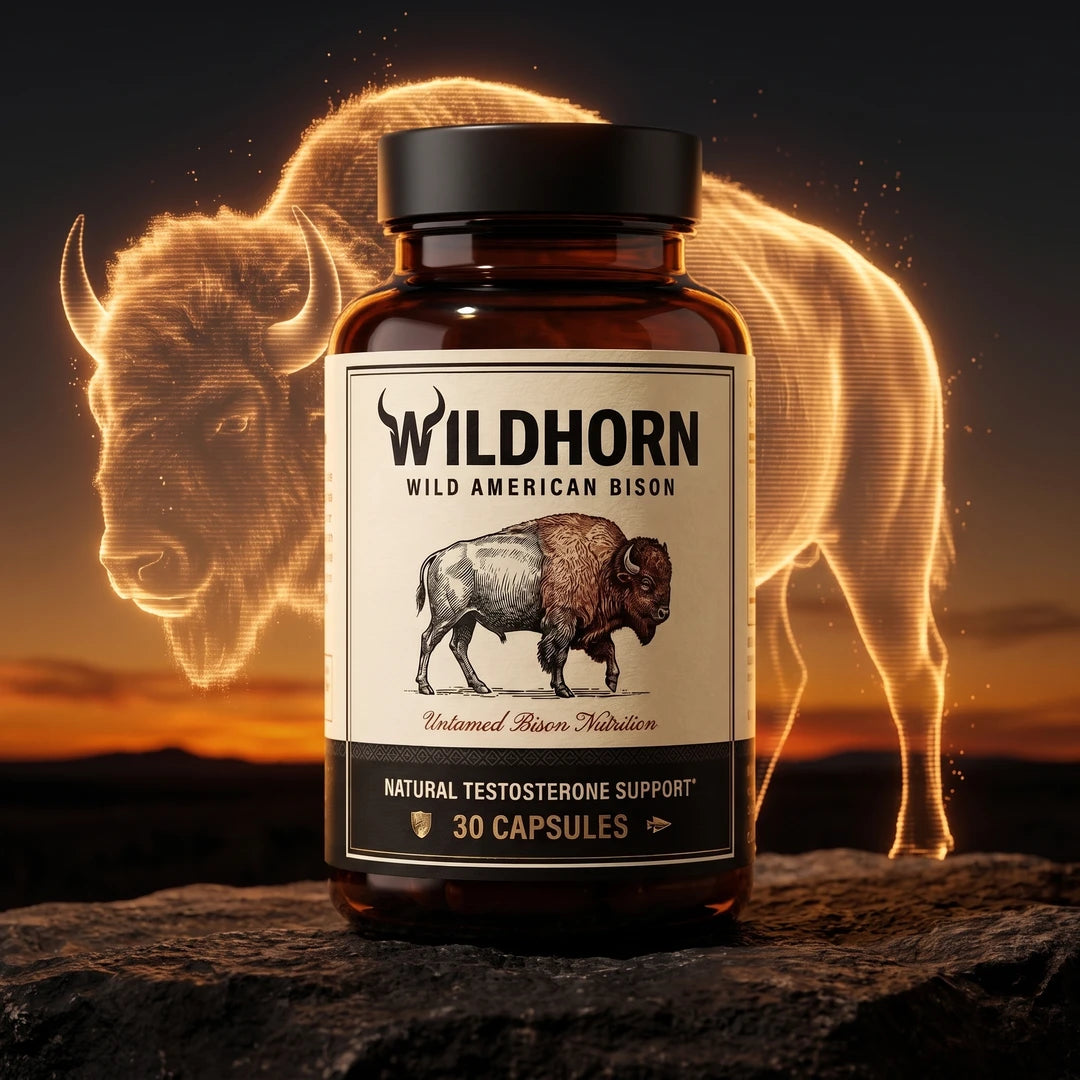
Men who want a targeted approach alongside solid dietary habits sometimes look for a natural testosterone support supplement built around evidence-based ingredients to complement what the diet is already doing.
The Nutrients That Support the Conversion Process
Dietary fat is the raw material. But the enzymes that convert cholesterol to testosterone need micronutrients to function properly.
Zinc is the most well-documented. It is involved in multiple steps of testosterone synthesis and is concentrated in the prostate and testes. According to the NIH Office of Dietary Supplements, zinc deficiency is associated with lower testosterone in men, and correcting intake helps support levels already within a normal range. Men over 45 absorb zinc less efficiently than younger men. That makes intake worth tracking.
Magnesium supports free testosterone levels already within a normal range by competing with SHBG, the protein that binds testosterone and keeps it from being used. More free testosterone means more usable testosterone.
Vitamin D acts more like a hormone than a vitamin. Receptors for it are found throughout the male reproductive system. Levels below 30 ng/mL are common in men spending most of their time indoors, and that number is more prevalent after 45.
Customers often ask us how we selected the ingredients in Wild Bison. The short answer: we looked for compounds with the strongest direct evidence for hormonal support and chose forms the body can actually absorb. In our formula, zinc comes as zinc bisglycinate, a chelated form with meaningfully better absorption than standard zinc oxide.
Making the Shift Without Overthinking It
Big dietary overhauls fail. Small, consistent swaps stick.
Start with three targeted changes over 30 days. Replace your cooking oil with olive oil or butter. Add two eggs to breakfast three or four times per week. Eat fatty fish twice a week instead of chicken every day. Drop the bottled salad dressing and use olive oil and lemon instead.
Track nothing. Just make those swaps. Within a few weeks, most men notice they feel fuller longer and their energy stays more even across the day. That is dietary fat doing its job across multiple systems, not just the hormonal one.
If you are already eating reasonably well and want to close the gap on micronutrients that support testosterone production directly, a quality supplement adds what food alone sometimes cannot reliably deliver, particularly zinc, magnesium, and vitamin D in their most bioavailable forms.
The men who get the best results do both: fix the diet first, then support it with targeted nutrition. Neither approach does as much alone.
Frequently asked questions
Does eating cholesterol-rich food actually support testosterone production?
Cholesterol is the direct precursor the body uses to synthesize testosterone. Eating foods like eggs, red meat, and full-fat dairy provides the raw material for that process. Dietary cholesterol intake is one factor that supports maintaining testosterone levels already within a normal range, alongside zinc, vitamin D, and overall calorie adequacy.
How much fat should men over 45 eat per day for hormonal health?
Most research points to fat making up 25 to 35 percent of daily calories. For a man eating 2,500 calories, that is roughly 70 to 97 grams per day. The composition matters too: prioritize saturated and monounsaturated fats from whole foods, and limit industrially processed seed oils high in omega-6.
Can a low-fat diet lower testosterone levels?
Studies show that men on very low-fat diets, those getting under 15 percent of calories from fat, tend to have testosterone readings at the lower end of the normal range. Fat provides the cholesterol substrate the body converts into steroid hormones. Chronically undereating fat can limit that process over time.
What micronutrients work alongside dietary fat to support healthy testosterone?
Zinc, magnesium, and vitamin D are the three most consistently studied micronutrients in relation to healthy testosterone levels. Zinc is directly involved in synthesis, magnesium helps support free testosterone already within a normal range by competing with binding proteins, and vitamin D functions throughout the male reproductive system.
Is bison a good choice for men focused on hormonal health?
Bison is leaner than grain-fed beef but carries a comparable micronutrient profile, including zinc, iron, and B vitamins. Grass-fed bison tends to have a more favorable omega-3 to omega-6 ratio than grain-finished cattle. Both are solid red meat choices. Bison is worth rotating in if you eat red meat several times per week and want to vary the source.
These statements have not been evaluated by the Food and Drug Administration. This product is not intended to diagnose, treat, cure, or prevent any disease.
Written by The Wildhorn Desk, Men's Health Editor.