Magnesium's Role in Male Hormone Balance After 45
8 min read
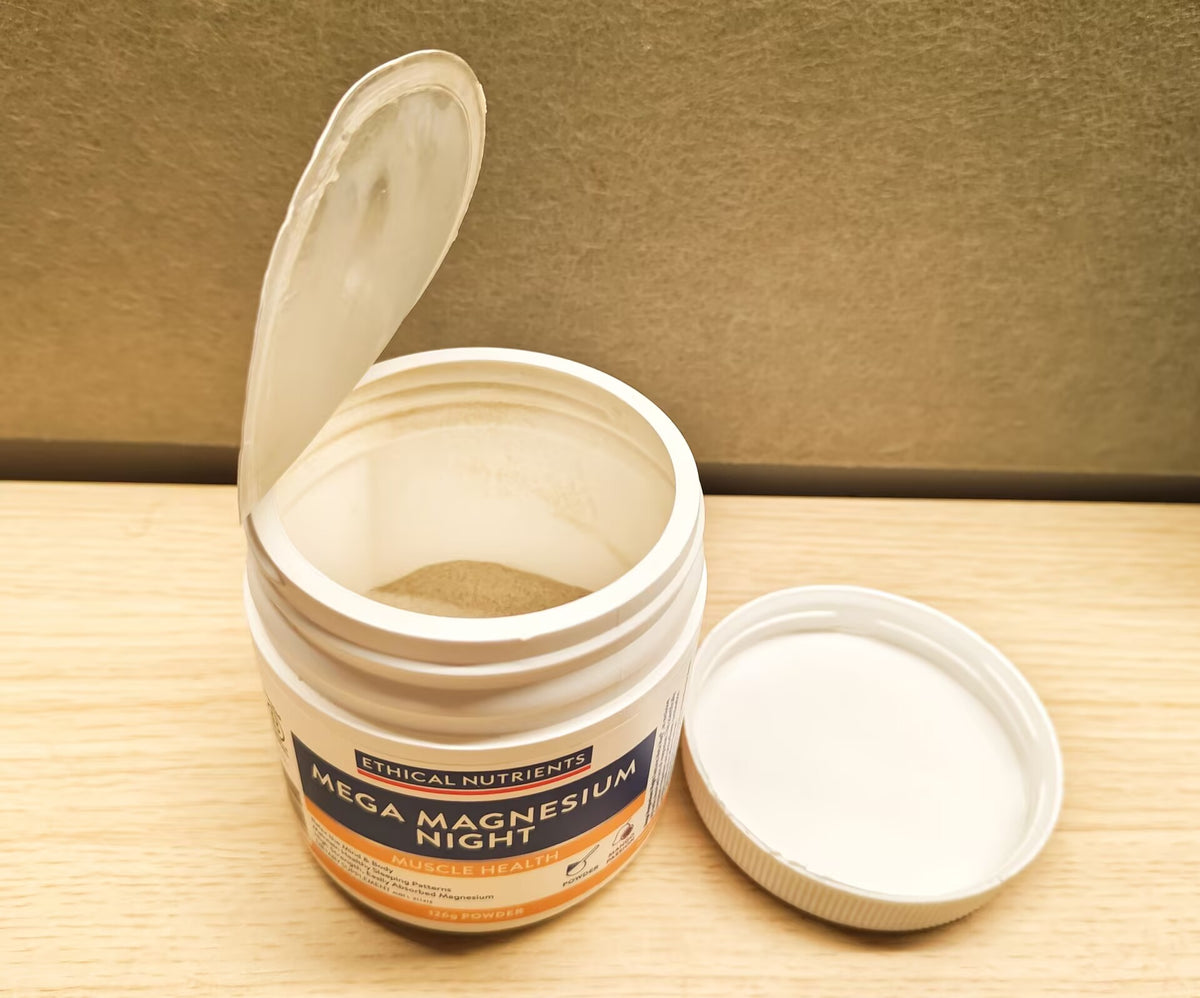
Magnesium supports free testosterone availability by competing with SHBG binding sites. Men over 45 frequently run short due to sweat losses, reduced absorption, and dietary gaps. The form matters: glycinate absorbs far better than oxide, and that difference shows up in whether a supplement actually works.
Why Active Men Over 45 Run Low on Magnesium
Most men assume their diet covers the basics. It usually doesn't, at least not for magnesium.
The Recommended Dietary Allowance for men over 51 is 420 mg per day. National Health and Nutrition Examination Survey data puts average intake for American men somewhere between 280 and 320 mg. That gap matters more than most people realize.
Three things make it worse after 45. First, sweat. An hour of moderate exercise can pull 36 to 40 mg of magnesium through your skin. Train five days a week and you're losing roughly 180 to 200 mg per week before counting what your gut absorbs from food. Second, absorption efficiency tends to decline with age. Third, many men eating a reasonable diet still fall short because modern agricultural soils carry lower magnesium content than they did 50 years ago. You can eat the same foods your father ate and come up short.
The result: a lot of men who feel like they're doing everything right are running chronically low without a clinical deficiency showing up on a standard blood panel. Serum magnesium stays stable until stores are severely depleted, making it a poor early-warning signal. By the time the lab flags it, you've been running low for a while.
How Magnesium Affects Free Testosterone
Testosterone circulates in two forms. Bound testosterone is attached to proteins, mainly sex hormone-binding globulin (SHBG) and albumin, and is largely unavailable to tissues. Free testosterone is unattached and biologically active. It's what actually reaches your cells and does the work.
Magnesium competes with testosterone for binding sites on SHBG. When magnesium levels are adequate, it occupies some of those sites, which means more testosterone stays free in circulation. When magnesium is low, SHBG captures more testosterone, and free levels drop even if total testosterone looks fine on a lab report. Two men with identical total testosterone readings can have very different free testosterone levels depending on how their SHBG is occupied.
A 2011 study published in Biological Trace Element Research examined this relationship in sedentary and active men and found that free and total testosterone values were positively correlated with magnesium levels. The association was stronger in men who exercised regularly. The abstract is available on PubMed.
This is the mechanism worth understanding. Magnesium doesn't create testosterone. It helps your body use the testosterone it's already producing by keeping more of it in the free, active form.
Glycinate vs Oxide: The Form Gap Is Bigger Than You Think
Not all magnesium supplements work the same way. The form determines how much actually gets into your tissues.
Magnesium oxide is the most common form in budget supplements. It's cheap to manufacture and carries a high percentage of elemental magnesium by weight, which looks impressive on a label. The bioavailability problem is significant. Studies put absorption at roughly 4%, meaning a 350 mg dose delivers around 14 mg to your body. Most of it passes through unused.
Magnesium glycinate is chelated, meaning it's bound to glycine, an amino acid. Absorption is substantially higher, typically cited around 80% for chelated forms. That same 350 mg dose now delivers roughly 280 mg to your tissues. A real difference. It's also gentler on the digestive system, which matters if you're taking it daily over months.
Magnesium citrate lands in the middle. Better absorbed than oxide, not as efficient as glycinate, and more likely to produce a laxative effect at higher doses.
Customers often ask us why we specify the form on our product label rather than just listing magnesium. This is why. Using a well-absorbed form is the difference between a supplement that actually moves the needle and one that delivers very little to your tissues.
How Much Do You Actually Need Each Day
The RDA for men over 51 is 420 mg per day. For men 19 to 50, it's 400 mg. These are baseline numbers, not athletic targets.
If you exercise regularly, and at 45-plus you should be, your requirement likely runs higher. Some sports nutrition researchers suggest active men may need 10 to 20% above the RDA to offset sweat losses, putting the practical target closer to 450 to 500 mg per day.
Getting there from food alone is possible but takes real intention. A 1-ounce serving of pumpkin seeds delivers about 156 mg. An ounce of almonds gives you roughly 77 mg. A cup of cooked spinach adds about 157 mg. Dark chocolate at 70% cacao or higher contains around 64 mg per ounce. Stack a few of these consistently and you're in reasonable territory, though still likely short if you're active five or more days a week.
Supplementing the gap, 100 to 200 mg per day from a high-absorption form, is a practical approach. The tolerable upper intake level for supplemental magnesium is 350 mg per day for adults, according to the NIH Office of Dietary Supplements. Exceeding that consistently raises the risk of loose stools, which is the main downside at normal doses.
Signs Your Magnesium Intake May Be Running Short
Low magnesium doesn't usually announce itself loudly. It tends to show up as vague, easy-to-dismiss signals.
Muscle cramps during or after exercise are one of the more common associations. Magnesium supports normal muscle function, including the relaxation phase after contraction. When levels are suboptimal, muscles can have a harder time fully releasing. Night cramps in the calves are a specific complaint men often mention.
Sleep quality is another area where men notice a difference. Magnesium supports healthy GABA activity, a neurotransmitter involved in relaxation, and helps maintain melatonin levels already within a normal range. Men who increase their magnesium intake often report more restful sleep, though individual responses vary considerably.
One more angle worth knowing: magnesium is a required cofactor for ATP synthesis. Your cells produce energy in the form of ATP, but ATP is only biologically active when bound to magnesium. In practical terms, adequate magnesium supports the cellular energy production that drives workouts, focus, and recovery. Suboptimal intake creates a drag that's easy to miss because it shows up as background tiredness rather than a specific complaint you'd bring to a doctor.
None of these signals are diagnostic on their own. If you're experiencing persistent symptoms, see a doctor. But for a reasonably healthy man over 45 who exercises and eats a decent diet, low magnesium intake is statistically common and worth addressing.
Best Food Sources for Magnesium
Food sources matter because they come packaged with cofactors that support absorption. The goal isn't to replace food with supplements, it's to close the gap that food leaves open.
- Pumpkin seeds (1 oz): 156 mg
- Almonds (1 oz): 77 mg
- Cooked spinach (1 cup): 157 mg
- Dark chocolate 70%+ (1 oz): 64 mg
- Black beans, cooked (1/2 cup): 60 mg
- Avocado (1 medium): 58 mg
A typical day that includes two or three of these foods might get you to 300 to 350 mg. That leaves a realistic gap of 70 to 120 mg for most active men. You don't need megadoses. You need consistent, adequate intake from sources your body actually absorbs.
What to Look For in a Magnesium Supplement
A few criteria narrow the field quickly.
- Form: Glycinate or malate for daily use. Oxide is a waste of money.
- Dose per serving: 150 to 200 mg elemental magnesium is a reasonable daily target on top of food intake.
- Clean label: Magnesium glycinate doesn't need fillers or proprietary blends to work.
- Transparent labeling: The form should be listed explicitly, not just magnesium.
Magnesium also pairs well with zinc, another mineral active men commonly under-consume. The two support overlapping functions in male hormone health and are often combined in formulations built specifically for men over 40.
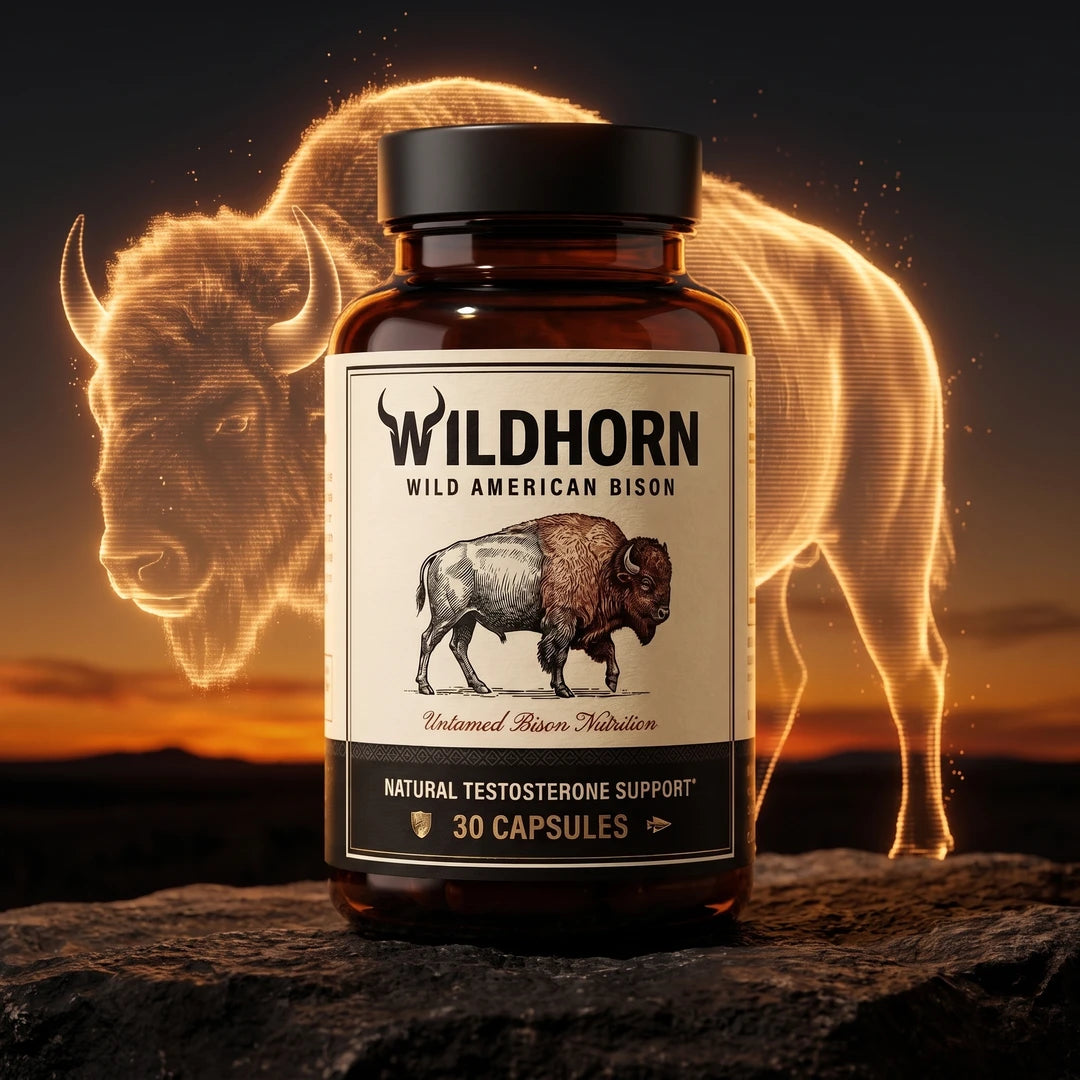
Our formula, Wild Bison, uses magnesium glycinate alongside other ingredients that support healthy testosterone levels already within a normal range. If you're looking for a complete testosterone support formula with the right magnesium form built in, it's worth a look.
Frequently asked questions
Does magnesium directly boost testosterone?
Magnesium doesn't produce testosterone. It supports free testosterone availability by competing with SHBG binding sites. This helps maintain the biologically active portion of testosterone already within a normal range, which is what your tissues actually use.
What's the best time of day to take magnesium glycinate?
Most men take it in the evening with dinner. It supports healthy relaxation and helps maintain normal sleep patterns. Taking it with food also reduces the chance of mild digestive discomfort, though glycinate is generally well tolerated at any time of day.
Can I get enough magnesium from diet alone?
Possibly, but most active men over 45 don't. Average dietary intake runs 280 to 320 mg per day against a 420 mg RDA for men over 51. Exercise increases losses through sweat. A supplemental gap of 100 to 200 mg per day is practical for most active men.
Is magnesium oxide worth buying?
No. Bioavailability is roughly 4%, meaning the vast majority of each dose passes through unused. Glycinate and citrate forms absorb substantially better and are worth the modest price difference.
How long does it take to notice a difference from magnesium supplementation?
Magnesium isn't a quick-fix supplement. Many men report changes in sleep quality and muscle recovery within 2 to 4 weeks of consistent use. Supporting healthy testosterone levels already within a normal range is a longer-term process that requires daily intake over months.
These statements have not been evaluated by the Food and Drug Administration. This product is not intended to diagnose, treat, cure, or prevent any disease.
Written by The Wildhorn Desk, Men's Health Editor.