Organ Meat vs Muscle Meat: The Nutrient Density Gap
8 min read
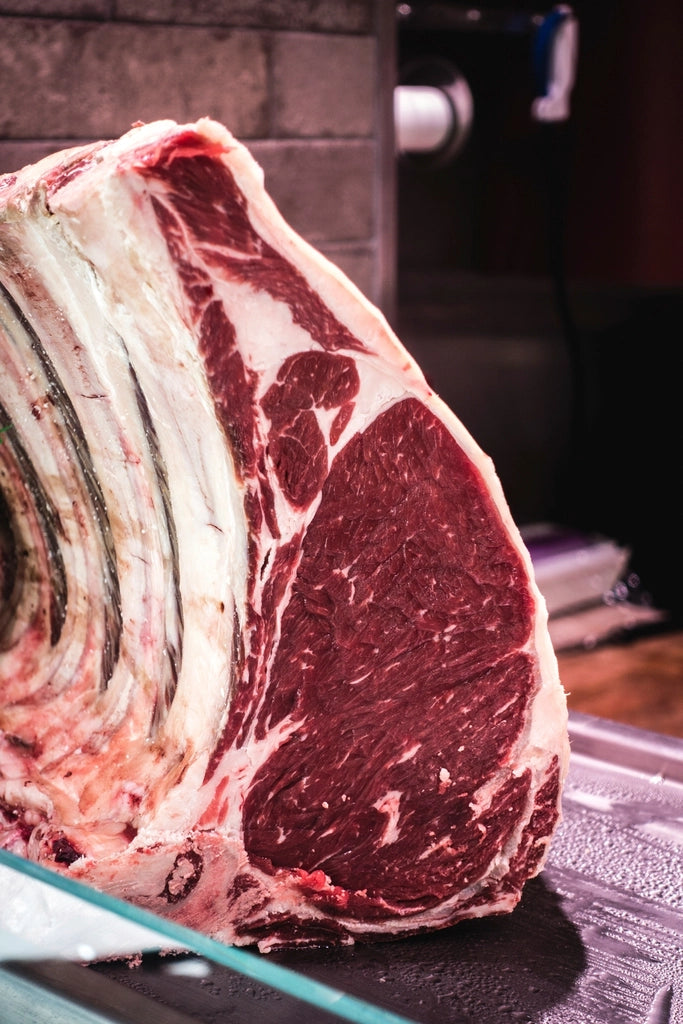
Organ meat outpaces muscle meat on almost every micronutrient that matters for men over 45. Liver delivers roughly 3,000 times more retinol than steak, heart concentrates CoQ10 at four times the level of muscle, and kidney leads on riboflavin. Muscle meat covers protein. Organs cover everything else.
What Makes Organ Meat Nutritionally Different
Muscle meat is the default. Steak, ground beef, chicken breast -- most men build their protein intake around these cuts without much thought. They work fine for protein and deliver respectable amounts of iron and B12. No argument there.
But protein is only part of what your body runs on. Vitamins, minerals, and fat-soluble compounds like CoQ10 concentrate in organs because that is where the metabolic work actually happens. The liver processes hundreds of biochemical reactions per minute. The heart contracts roughly 100,000 times a day without stopping. The kidney filters around 200 liters of blood daily. Each of these tissues requires, and therefore accumulates, the specific nutrients that fuel those processes.
A 3-ounce cut of sirloin does one job: contract and relax. A 3-ounce serving of beef liver is running your body's primary supports the body's natural processes operation around the clock. The nutrient profile reflects that difference precisely. On several key micronutrients, we are not talking about a modest gap -- we are talking about orders of magnitude.
Retinol: The 3,000-to-1 Gap
Retinol is preformed vitamin A -- the form your body uses directly, no conversion required. It supports normal vision, helps maintain skin cell turnover, and plays a role in immune cell production.
Beef liver contains approximately 6,500 mcg RAE (retinol activity equivalents) per 3-ounce serving. That is over 700% of the daily value in a single portion. A 3-ounce ribeye steak provides about 2 mcg RAE. The gap is roughly 3,250-fold. Not a rounding error.
Plant sources provide beta-carotene, which the body converts to retinol. The problem is that conversion efficiency varies significantly between individuals. Research available on PubMed has documented that common variants in the BCMO1 gene reduce beta-carotene conversion by 50 to 70 percent in a meaningful portion of the population. If you rely on carrots and sweet potatoes for vitamin A, you may be getting considerably less than the label implies.
Ground beef sits around 2 mcg RAE per 3 ounces. Chicken breast is under 1 mcg. You cannot close the liver gap by eating more muscle meat -- the tissue simply does not concentrate retinol the way liver does.
Riboflavin and Mitochondrial Support
Riboflavin (vitamin B2) is required for the mitochondrial electron transport chain -- the sequence of reactions that converts food into ATP, the energy currency your cells actually run on. It also supports the recycling of glutathione, the body's primary antioxidant molecule.
Side-by-side per 3-ounce serving:
- Beef liver: 2.9 mg (223% DV)
- Beef kidney: 2.8 mg (215% DV)
- Ground beef (80% lean): 0.15 mg (12% DV)
- Chicken breast: 0.10 mg (8% DV)
That is roughly a 19-to-1 difference between liver and ground beef. Outright riboflavin deficiency is uncommon in developed countries, but marginal insufficiency -- consistently low intake that stays just above clinical deficiency thresholds -- is underreported and harder to catch without specific testing.
For men over 45 who pay attention to energy levels and recovery, supporting mitochondrial B-vitamin pathways is one of the more straightforward nutrition levers available. Organ meat gets you there fast.
CoQ10: The Case for Eating Heart
CoQ10 (ubiquinone) is a fat-soluble compound your cells synthesize, concentrated primarily in the mitochondria. It helps maintain oxidative balance already within a normal range and plays a role in efficient energy production at the cellular level.
Heart tissue is the body's most metabolically demanding muscle. It never stops contracting -- roughly 100,000 times per day -- which is exactly why it concentrates CoQ10 more heavily than any other tissue in the animal.
Per 3.5-ounce serving:
- Beef heart: approximately 11.3 mg CoQ10
- Beef liver: approximately 3.9 mg CoQ10
- Beef muscle (sirloin): approximately 2.6 mg CoQ10
Heart runs about four times higher than regular steak. Dietary intake from food will not reach the 100-300 mg doses used in clinical research settings -- that distinction matters. What it does represent is a meaningfully different dietary baseline. Men eating heart regularly are working from a different CoQ10 floor than men eating muscle meat only. That gap, sustained over years, is worth factoring into your nutrition picture.
Zinc: Where Organ Meat Competes Directly
Zinc supports testosterone synthesis, normal cell division, and immune function. The form found in animal tissue is highly bioavailable, absorbed at roughly 20 to 40 percent efficiency compared to 10 to 15 percent for plant-based zinc.
Per 3-ounce serving of land meats:
- Ground beef (80% lean): 5.2 mg
- Beef liver: 4.5 mg
- Beef kidney: 4.0 mg
- Beef heart: 3.3 mg
- Chicken breast: 0.9 mg
Ground beef holds its own on zinc -- closer to organ meat than most people expect. Chicken breast is notably low. According to the NIH Office of Dietary Supplements, the RDA for zinc in adult men is 11 mg per day. Men relying primarily on chicken and lean proteins can fall below that number without realizing it.
The case for organ meat on zinc is not that it dominates the chart -- ground beef is competitive here. The case is that zinc from organs comes packaged alongside retinol, riboflavin, CoQ10, copper, and choline that muscle meat cannot supply in comparable amounts. One category feeds one macro. The other feeds the whole panel.
Why Most Men Skip Organs (And What to Do About It)
The honest answer is inconvenience. Sourcing quality grass-fed liver is not as simple as grabbing a steak at any grocery store. Cooking it without drying it out takes practice. The flavor is polarizing. Customers often ask us how to capture the nutritional profile of organ meat without committing to making liver twice a week.
That is a reasonable problem. A few practical options that actually work:
- Start with beef heart. The flavor is closer to a standard cut than liver -- slice it thin, high heat, pull it at medium-rare. Done in five minutes.
- Blend ground liver into ground beef at a 1-to-10 ratio. The flavor disappears entirely at that concentration. Full nutrient benefit, no taste compromise.
- Use organs in meatballs or bolognese. The surrounding ingredients mask the flavor completely.
- Source freeze-dried organ supplements from grass-fed animals for consistency -- this works especially well for men who travel or live far from quality butchers.
Getting the Nutrient Profile Without the Prep Work
If eating organs several times a week is not realistic, a high-quality organ blend fills the gap. The variables that matter: sourcing (grass-fed and grass-finished affects fat-soluble vitamin concentrations), processing temperature (freeze-drying preserves B vitamins and heat-sensitive compounds better than high-heat dehydration), and the range of organs included in the blend.
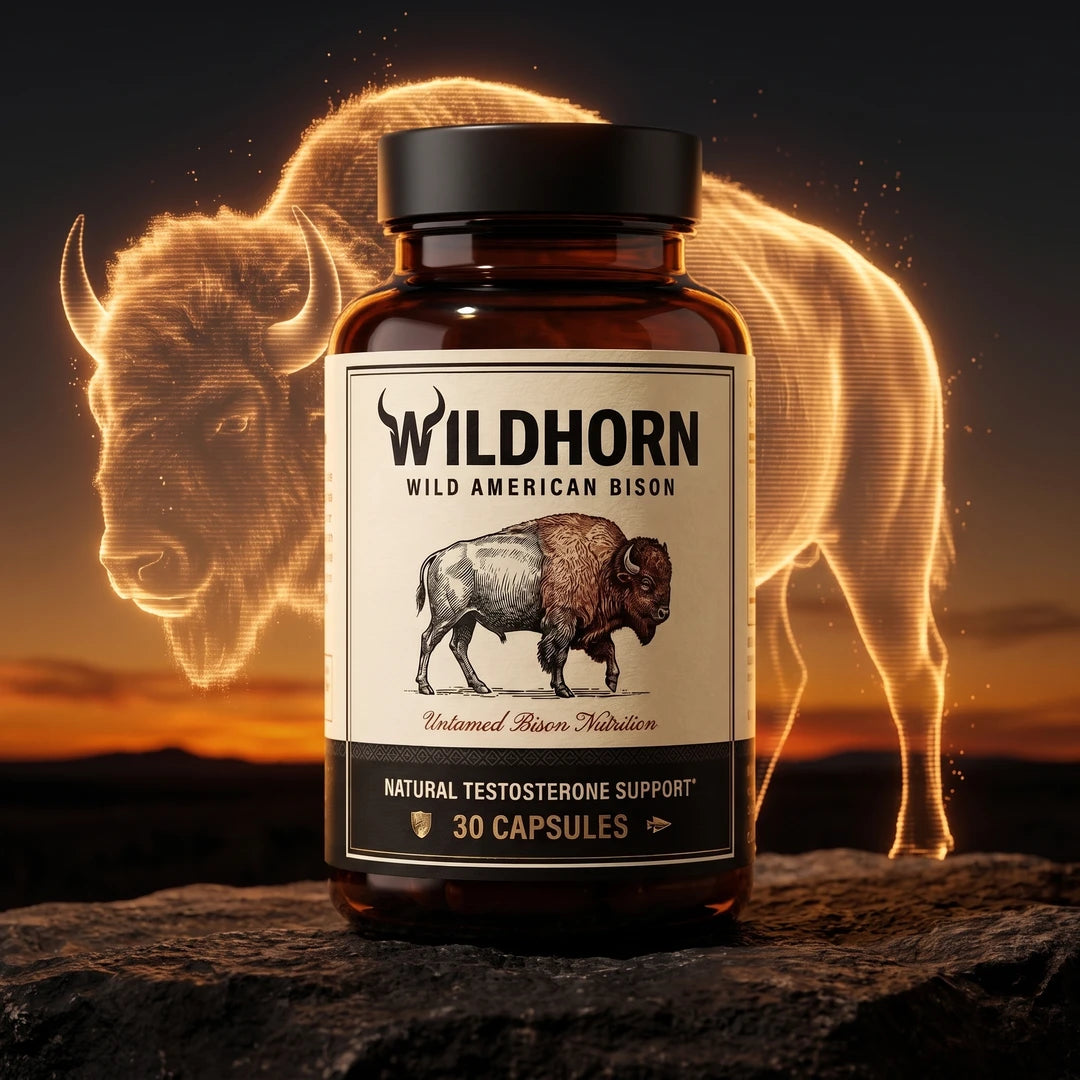
In our formula, we use whole-food freeze-dried bison organs -- liver, heart, and kidney -- from 100% grass-fed North American bison. Bison are not typically finished on grain, which keeps the fat-soluble vitamin profile cleaner. Bison liver also tends to run higher in iron and omega-3s than conventional feedlot beef liver, and the animal's naturally leaner profile produces a different fat-soluble vitamin concentration per serving.
The goal is to close the micronutrient gaps that a muscle-meat diet leaves open: retinol, riboflavin, CoQ10, copper. For men over 45 who eat reasonably well but want to complete the micronutrient picture, a wild bison organ supplement is one of the more efficient ways to do it. No butcher required, no prep, no smell.
Frequently asked questions
Is organ meat safe to eat every day?
For most healthy adults, moderate organ meat consumption is well tolerated. Liver is high in preformed vitamin A, so very large daily portions are not recommended. Two to three servings per week from a variety of organs is a sensible range for most men.
Does cooking destroy the nutrients in organ meat?
Heat-sensitive B vitamins like riboflavin can degrade with prolonged high heat. Pan-searing to medium-rare preserves more of the nutritional profile than boiling or slow-cooking to well done. Freeze-drying -- used in quality organ supplements -- removes moisture at low temperatures and preserves B vitamins and fat-soluble compounds effectively.
How does beef liver compare to a standard multivitamin?
Beef liver provides nutrients in whole-food form with co-factors that isolated supplements do not fully replicate. A 3-ounce serving delivers more retinol, B12, copper, and riboflavin than most standard multivitamins, plus CoQ10 and choline that many multivitamins do not include at meaningful doses.
Is bison organ meat nutritionally different from conventional beef organ meat?
Bison are pasture-raised and not typically grain-finished, which tends to produce higher fat-soluble vitamin concentrations than feedlot beef. Bison liver runs higher in iron and omega-3 fatty acids, and the animal's leaner natural profile means a somewhat different micronutrient concentration in the organs.
Can I get enough zinc from muscle meat alone?
Red muscle meat like ground beef provides around 5 mg zinc per 3-ounce serving, which is meaningful. Men who rely primarily on chicken and lean proteins as their main animal source can fall below the 11 mg RDA without realizing it. Organ meat adds zinc along with several micronutrients that muscle meat cannot supply in comparable amounts.
These statements have not been evaluated by the Food and Drug Administration. This product is not intended to diagnose, treat, cure, or prevent any disease.
Written by The Wildhorn Desk, Men's Health Editor.