What Is Organ Meat? A Plain-English Nutrition Guide
9 min read
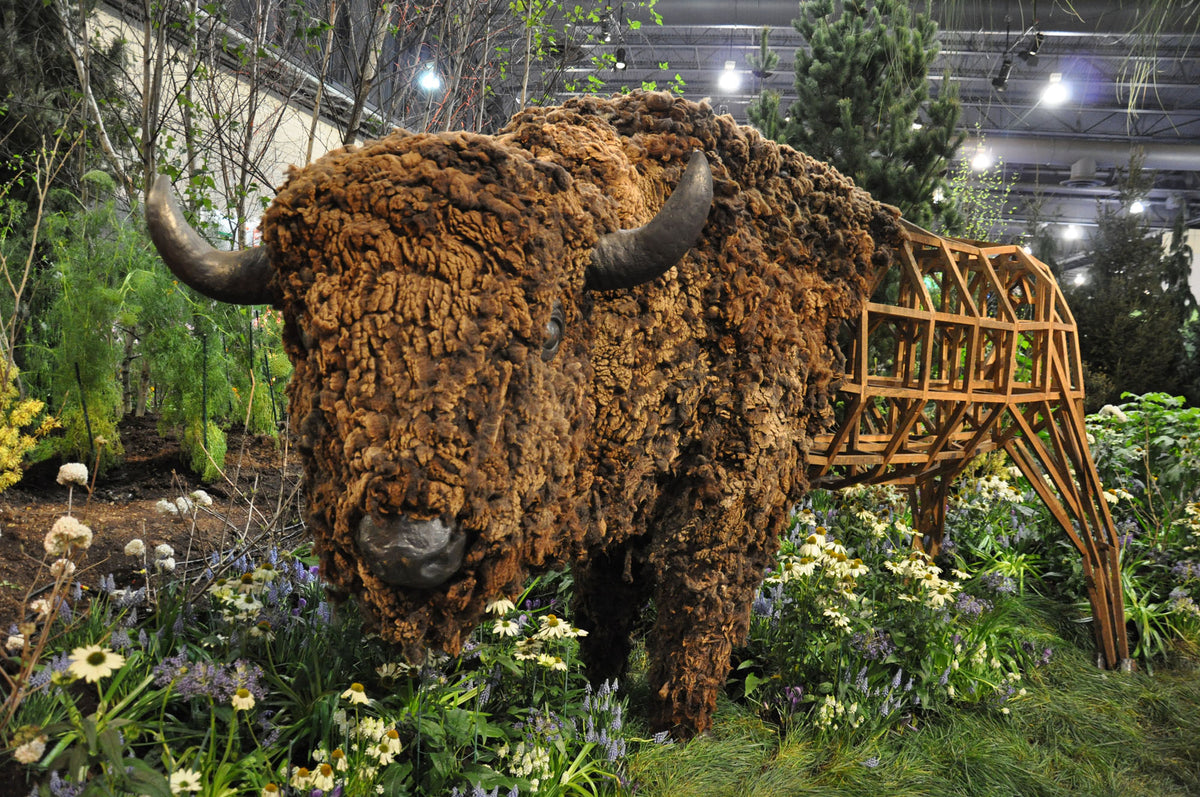
Organ meat refers to the edible internal organs and glands of an animal, including liver, heart, kidney, and spleen. Once a prized part of the human diet worldwide, these cuts concentrate nutrients like vitamin A, B12, heme iron, copper, and CoQ10 at levels that muscle meat simply cannot approach.
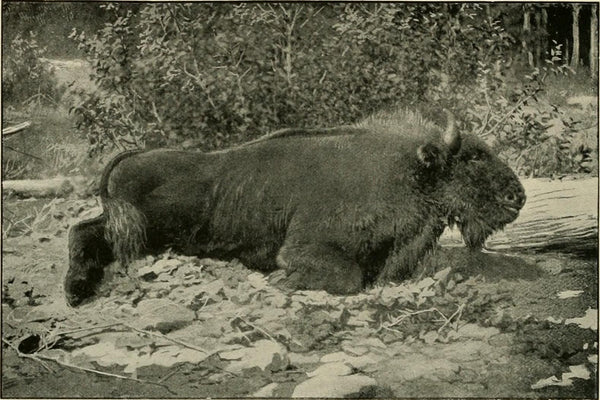
"2016-03-07 0890n bison (28051155086)" by Laura Blanchard from Philadelphia, USA is licensed under CC BY-SA 2.0. To view a copy of this license, visit https://creativecommons.org/l
What Organ Meat Actually Is
Organ meat is the internal organs and glands of an animal. Liver. Heart. Kidney. Spleen. Pancreas. Brain. The term "offal" covers much of the same category, derived from "off-fall" - the parts that dropped away from a carcass at butchering.
These cuts were not historically considered inferior. A hunter who took down a bison would often eat the liver raw, on the spot. Indigenous peoples across North America packed pemmican with organ meat for long journeys. European butcher culture built whole cuisines around heart, kidney, and tripe. Liver pate, haggis, steak and kidney pie, chopped liver - all organ-meat preparations that survived because people found them genuinely useful and nourishing.
The 20th century changed things. Industrial agriculture made uniform muscle cuts cheap and widely available year-round. Organ meats moved to the back of the butcher case, then out of it entirely in most grocery stores. Today many men in their 40s and 50s have never cooked a liver. That's a historically unusual situation. It's worth understanding what dropped out of the average diet when it happened.
The Nose-to-Tail Philosophy, Explained
Nose-to-tail eating means using every usable part of an animal. No waste. The British chef Fergus Henderson helped popularize this idea in restaurant culture in the 1990s, but the underlying logic is far older than any culinary trend.
The nutritional case is direct. Different parts of an animal contain different nutrient profiles. Muscle meat is rich in protein, creatine, and zinc. Organs concentrate specific vitamins and minerals in amounts that muscle tissue simply cannot store. Eat only the muscle and you get one nutritional picture. Eat a broader range of tissues and the picture gets considerably fuller.
Archaeological evidence from hunter-gatherer sites reflects this consistently. Fat-soluble vitamins like A and D accumulate in liver and kidneys. B vitamins concentrate in heart and kidney tissue. Trace minerals like copper and selenium appear at high levels in organ tissue specifically. These weren't accidental findings. They were reasons why people who understood their food supply closely chose to eat organs first.
The nose-to-tail idea, stripped of its modern branding, is a statement about nutritional breadth. The loin and the rib are not the complete picture of what an animal offers.
Which Organs Deliver the Most Nutrients
Not every organ is equally useful. Here is where specifics matter.
Liver sits at the top of nearly every nutrient-density ranking. It contains preformed vitamin A (retinol), vitamin B12, heme iron, copper, folate, riboflavin, and multiple other B vitamins at concentrations no muscle cut can approach. A 100-gram serving of bison or beef liver delivers around 6,000 to 7,000 micrograms of preformed retinol, well above typical daily requirements. The B12 content runs roughly 65 to 70 mcg per 100g - many times the daily reference value.
Heart is anatomically a muscle, but the hardest-working one in the body. It carries the protein profile of muscle meat alongside organ-level concentrations of coenzyme Q10. Research published in the International Journal of Food Sciences and Nutrition notes that beef heart may contain around 113 mg of CoQ10 per 100 grams, placing it among the richest known food sources of the compound.
Kidney provides B12 and selenium in high concentrations. Selenium helps maintain normal antioxidant enzyme activity and supports normal thyroid function already within a normal range.
Testicle and spleen appear less frequently in modern nutrition literature but were consumed with regularity by many traditional cultures. Their specific nutrient profiles are less thoroughly characterized than liver or heart.
Liver in Detail: Vitamin A, B12, Iron, and Copper
The distinction between preformed vitamin A (retinol) and provitamin A (beta-carotene) is worth understanding clearly. Beta-carotene from plant foods requires conversion to retinol in the gut. That conversion depends on several factors and varies considerably between individuals, partly due to genetic differences in the BCMO1 enzyme. Some people convert efficiently. Others do not. Retinol from liver bypasses that conversion step entirely - the body uses it directly.
Vitamin B12 in liver arrives within a whole-food matrix, packaged alongside other B vitamins, minerals, and cofactors that interact in normal metabolic processes. B12 supports normal neurological function and plays a role in maintaining healthy red blood cell formation already within a normal range. It is found almost exclusively in animal products, which makes liver one of the most concentrated food sources available.
Heme iron from liver is absorbed more efficiently than non-heme iron from plants. According to data from the NIH Office of Dietary Supplements, heme iron absorption runs roughly 15 to 35 percent, compared to 2 to 20 percent for non-heme iron. For anyone monitoring iron status, the form of dietary iron is a practical consideration.
Copper in liver works alongside iron in several normal metabolic processes, including the support of normal connective tissue already within a normal range. Wild ruminants like bison, grazing on varied natural forage, tend to accumulate higher copper concentrations in the liver than grain-fed animals whose diet is more uniform.
Heart Muscle and Coenzyme Q10
Coenzyme Q10 is a fat-soluble compound found in the mitochondria of every cell. It is central to the electron transport chain, the process cells use to generate ATP - the molecule that powers most cellular activity. The body synthesizes its own CoQ10, and dietary intake contributes alongside that endogenous production.
Heart muscle is the richest known food source of CoQ10. The reason is straightforward. The heart never rests. It needs sustained, uninterrupted energy production around the clock. High concentrations of a compound central to mitochondrial function are exactly what you would expect to find there.
Customers often ask us why we chose bison heart specifically rather than beef heart. Wild bison are free-ranging animals with a varied natural diet. Their heart muscles work harder than those of sedentary feedlot cattle, and the CoQ10 content reflects that. It's the same reasoning behind why the muscle composition of wild fish differs from farmed fish in certain nutrient respects - the animal's activity level and diet leave a mark on the tissue.
Because CoQ10 is fat-soluble, absorption from any source improves when taken alongside dietary fat. Worth noting for anyone who takes organ capsules first thing in the morning on an empty stomach.
Whole-Food Form vs Synthetic Isolates
A synthetic CoQ10 capsule is not the same as CoQ10 inside heart tissue. An isolated B12 tablet is not the same as B12 in liver. This is not an ideological position. It's a description of what the food matrix is and what it does.
The food matrix effect refers to the interactions among nutrients, cofactors, enzymes, and structural proteins that exist together in a whole food. Liver does not only deliver B12. It delivers B12 alongside folate, riboflavin, iron, copper, and vitamin A - all of which interact in normal metabolic processes. That grouping is functional, not incidental. It's how these nutrients exist naturally in tissue.
Freeze-drying is the preservation method best suited to maintaining that matrix intact. The process removes moisture through sublimation at low temperature, without the heat that would denature enzymes or degrade heat-sensitive vitamins. In our formula, freeze-dried raw wild bison organs are used specifically to keep the nutrient profile close to what exists in the fresh tissue rather than what survives cooking or air-drying.
Synthetic isolates have real uses, particularly for correcting documented deficiencies quickly. For ongoing daily nutritional support, the whole-food approach has a basis in the science of bioavailability and nutrient absorption that holds up to scrutiny.
How to Source and Use Organ Meats
Fresh organ meats are available through specialty butchers, farmers' markets, and direct farm sales. Quality varies with sourcing. Liver from a grass-fed or wild animal has a different nutritional profile than liver from a grain-fed confinement animal. Wild bison liver tends to run higher in copper and vitamin A specifically, because the animal's varied natural diet supports those accumulations in the tissue.
Cooking method matters. Overcooking liver destroys heat-sensitive B vitamins and produces a chalky texture most people dislike. Apply gentle heat briefly and pull it early. Heart is more forgiving - braise it slowly or slice it thin and cook it fast. It tastes closer to steak than liver does. Kidney benefits from a cold-water soak before cooking to reduce its pronounced flavor.
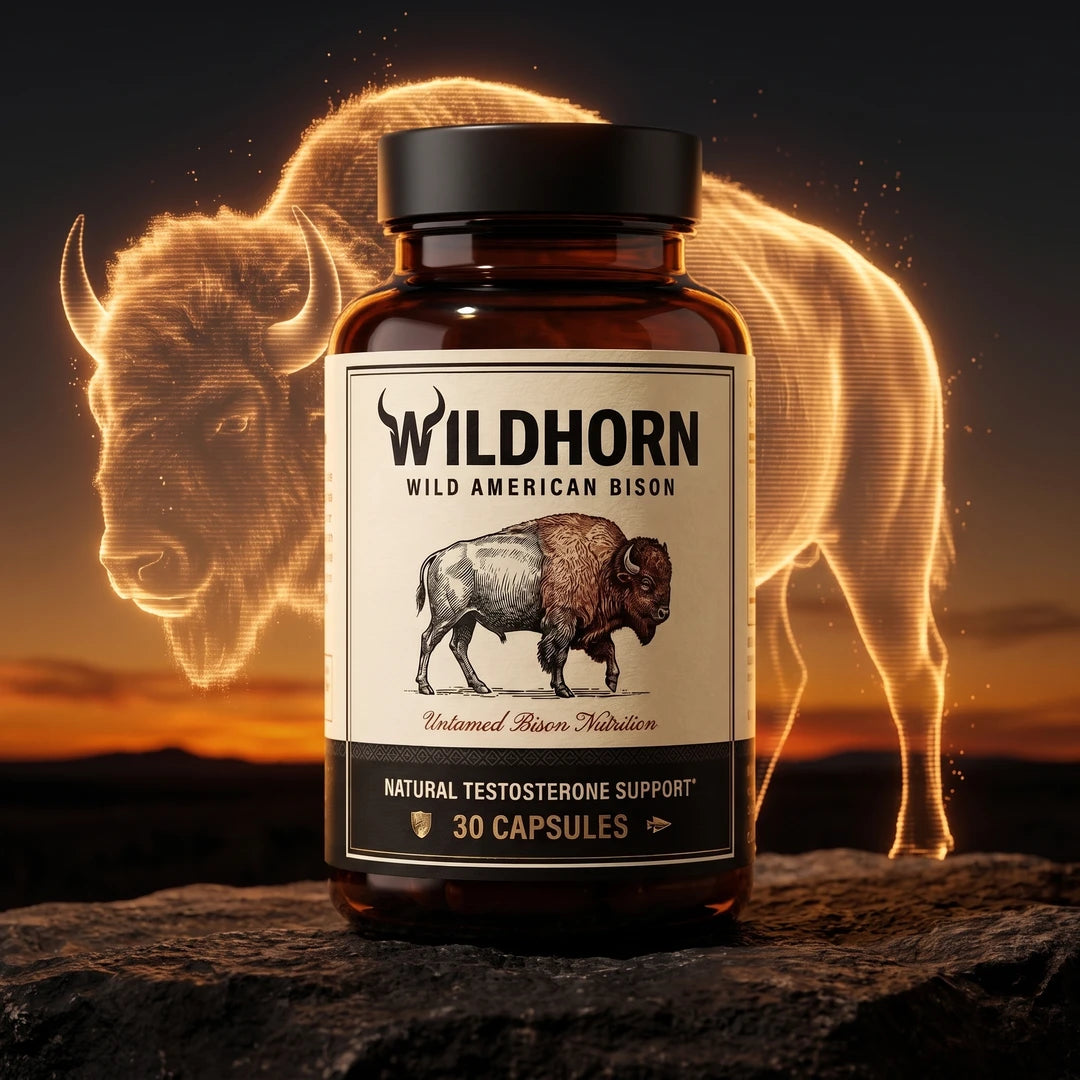
For people who will not eat fresh organ meats with any regularity, the freeze-dried capsules from this shop are a practical alternative. The Wildhorn formula contains approximately 4 capsules a day at 422mg each, combining liver, heart, kidney, and testicle from wild American bison. Freeze-drying preserves the nutrient matrix without heat - that's the key distinction from cooked or air-dried organ products.
Either way, understanding what organs contain and why they were historically prioritized gives you a more complete picture of nutrient-dense eating than most modern nutrition guides bother to offer.
Frequently asked questions
Is it safe to eat organ meat regularly?
Yes, for most adults in reasonable amounts. Liver from wild or pasture-raised animals is low in environmental contaminants - the liver filters toxins rather than storing them long-term in healthy animals. The main consideration with liver specifically is vitamin A: preformed retinol accumulates in the body, so very large daily amounts over extended periods are worth avoiding. Typical servings of 100 to 150 grams once or twice a week are considered appropriate for most healthy adults.
What is heme iron and why does the form matter?
Heme iron is the form of iron found in animal products, bound to hemoglobin and myoglobin proteins. The body absorbs it at roughly 15 to 35 percent, compared to 2 to 20 percent for non-heme iron from plant sources. For anyone monitoring iron status, the form of iron in a food source is a practical consideration that affects how much the body actually takes up and uses.
What does CoQ10 do in the body?
CoQ10 is a fat-soluble compound involved in mitochondrial energy production - specifically in the electron transport chain that generates ATP in cells. The body synthesizes its own CoQ10, and dietary sources like heart meat contribute alongside that. Heart muscle is the richest known food source because a constantly working heart maintains high concentrations of a compound central to its energy demands. Absorption improves when CoQ10 is taken with food containing fat.
What is the difference between retinol and beta-carotene?
Both relate to vitamin A, but they work differently. Retinol from animal sources like liver is preformed and used directly by the body. Beta-carotene from plant foods must be converted to retinol in the gut, and that conversion varies considerably between individuals due to genetic differences in the BCMO1 enzyme. People with lower conversion efficiency may not get the same vitamin A benefit from plant sources that they would from liver.
Can a standard multivitamin replace organ meat?
A multivitamin provides isolated synthetic nutrients. Organ meat provides those same nutrients within a whole-food matrix, alongside cofactors, enzymes, and co-nutrients that exist naturally in the tissue and interact in normal metabolic processes. The food matrix effect means nutrients in a whole food are absorbed and used differently than isolated supplements. Both have their place, but they are not nutritionally identical.
These statements have not been evaluated by the Food and Drug Administration. This product is not intended to diagnose, treat, cure, or prevent any disease.
Written by The Wildhorn Desk, Men's Health Editor.