Whole-Food Nutrients vs Synthetic Supplements: Key Differences
8 min read
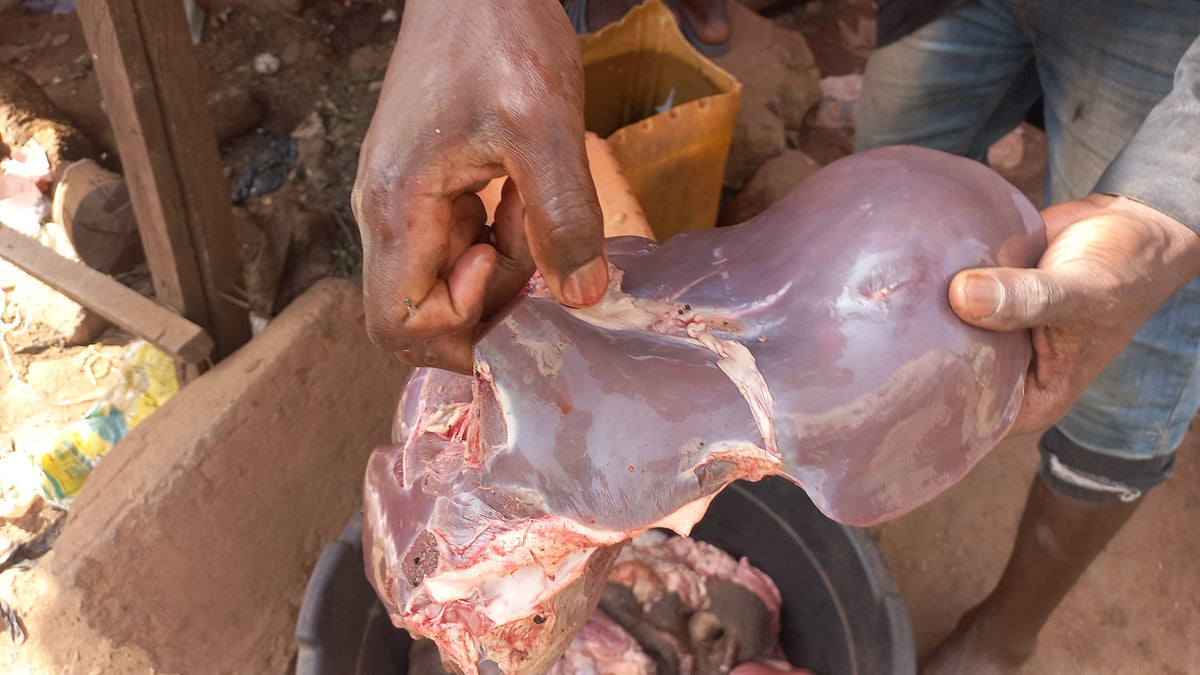
Whole-food nutrients arrive packaged with cofactors, enzymes, and transport proteins that evolved alongside them. Synthetic vitamins are isolated molecules, often chemically identical to their food counterparts, but stripped of that surrounding matrix. For certain nutrients, particularly heme iron and natural retinol, the structural difference measurably affects how efficiently the body absorbs and uses them.
"Raw liver" by Halima Waziri is licensed under CC BY-SA 4.0. To view a copy of this license, visit https://creativecommons.org/licenses/by-sa/4.0/.
The Cofactor Matrix: What Surrounds a Nutrient
When you eat liver, you are not just swallowing vitamin B12. You are getting B12 surrounded by the proteins, phospholipids, and binding factors the body uses to pull it across the gut wall. Those surrounding molecules are cofactors. Not decoration. Part of the delivery system.
Synthetic vitamins skip this step. A cyanocobalamin tablet is a single molecule, usually manufactured through bacterial fermentation or chemical synthesis. It works. Studies show it raises serum B12 in most people. But the absorption pathway differs from the one the body evolved to handle.
The question is not whether synthetic vitamins are harmful. Most are not. The question is whether the cofactor matrix matters for long-term, everyday nutritional support. For certain nutrients, the research suggests it does. The cases below are where the structural difference is best documented.
Heme Iron vs. Non-Heme Iron: The Absorption Gap
Iron is the clearest example. Two dietary forms exist: heme iron, found in animal tissue, and non-heme iron, found in plants and in most iron supplements.
Absorption tells the story. The body absorbs heme iron at roughly 15 to 35 percent. Non-heme iron, depending on the other compounds in the meal, absorbs at 2 to 20 percent. The reason is structure. Heme iron arrives wrapped inside a porphyrin ring, a molecular cage the gut transports intact using a dedicated receptor called HCP1. It bypasses the competitive, pH-sensitive pathway that non-heme iron must navigate.
Most iron supplements use ferrous sulfate or ferrous fumarate, both non-heme forms. They correct deficiency effectively at high enough doses. Gram for gram, though, the whole-food form is more efficiently taken up. The NIH Office of Dietary Supplements iron fact sheet details these absorption ranges with primary research citations.
Vitamin A: Why Retinol and Beta-Carotene Are Not the Same
Vitamin A has two distinct families. Preformed retinol comes from animal sources. Liver is the richest dietary source, by a wide margin. Beta-carotene comes from plants and must be converted into retinol by the gut enzyme BCO1 before the body can use it.
The conversion rate is where the complexity lives. In a healthy adult with no genetic variation affecting BCO1, roughly 12 micrograms of dietary beta-carotene converts to 1 microgram of retinol. Individual conversion efficiency varies widely. A BCO1 polymorphism present in an estimated 45 percent of the population reduces conversion meaningfully. Researchers have documented significant individual variability in peer-reviewed research on beta-carotene bioconversion.
Preformed retinol from whole-food sources arrives ready to use. The body still regulates its uptake carefully to prevent excess. No conversion bottleneck. Synthetic vitamin A (retinyl palmitate or retinyl acetate) delivers a similar preformed structure, but without the heme iron, copper, and B vitamins that liver naturally packages alongside it.
Vitamin B12: Transport Proteins and the Intrinsic Factor System
Vitamin B12 absorption is one of the most elaborate nutrient uptake processes in human physiology. It requires stomach acid to free B12 from food protein, intrinsic factor (a glycoprotein secreted by stomach cells) to bind it, and specific receptors in the terminal ileum to complete absorption.
Most synthetic B12 supplements use cyanocobalamin. Stable, inexpensive, well-studied. The body converts it to the active forms methylcobalamin and adenosylcobalamin. For most people, this conversion runs efficiently. For people over 50, where stomach acid production often declines, absorption of food-bound B12 can decrease while supplemental cyanocobalamin may actually absorb better because it does not require acid for initial release from protein.
In whole-food sources, B12 is bound to haptocorrin first, then transfers to intrinsic factor in the small intestine. The system is built for food. That is not a marketing claim. It is anatomy.
Customers often ask us why we use whole-organ tissue rather than isolated B12. The short answer: the whole-food matrix delivers B12 alongside heme iron and copper in the ratios found in the original tissue, rather than as a single extracted molecule.
Copper and Iron: A Nutrient Pair That Travels Together
Copper rarely makes the front of a supplement label, but it plays a meaningful role in iron metabolism. Ceruloplasmin, a copper-dependent protein, helps the body move iron from tissue storage into circulation. Without adequate copper, iron can accumulate in storage rather than support normal red blood cell production.
Liver is the best dietary source of both copper and heme iron. That co-location is not a coincidence. The two minerals work in tandem, and getting them from the same whole-food source means the ratio between them reflects how the original animal's body used them. A meaningful difference from formulated supplements, where a manufacturer decides the ratio.
Many iron supplements contain no copper at all. Multivitamins include both, but doses are set by formulators, not biology. Whether the natural ratio confers a practical advantage over a well-designed synthetic blend is a legitimate research question. The argument for whole-food co-location is biologically grounded, even if the clinical evidence continues to develop.
CoQ10: Fat Solubility and the Heart Tissue Advantage
Coenzyme Q10 (CoQ10) is present in every cell. Heart tissue has the highest concentration of any organ, which makes physiological sense: the heart runs continuously and has a correspondingly high demand for cellular energy support.
Synthetic CoQ10 supplements come in two common forms: ubiquinone (the oxidized form) and ubiquinol (the reduced form). Both are bioavailable. Ubiquinol may absorb somewhat more efficiently in older adults because the enzymatic conversion from ubiquinone to ubiquinol becomes less reliable as enzyme activity changes with age. High-quality ubiquinone formulations still show good absorption in clinical studies, so neither form is universally superior.
CoQ10 is fat-soluble. Absorption improves when taken with a meal containing dietary fat. Whole-food sources arrive naturally embedded in fat-containing tissue, which partly addresses the fat-solubility requirement without any special formulation step.
The CoQ10 molecule in heart tissue is structurally identical to the synthetic version. What differs is context. In food, it arrives alongside the phospholipids, proteins, and fatty acids of the original organ, not as an isolated powder in a capsule.
Practical Takeaways for Everyday Nutrition
None of this means synthetic vitamins are a poor choice. They corrected widespread deficiency diseases across the 20th century. For therapeutic dosing, standardized synthetic forms remain essential tools in clinical practice.
The more specific question is about everyday, long-term nutritional support. For that purpose, the cofactor argument for whole-food sources is reasonable, biologically grounded, and supported by the absorption data on heme iron and natural retinol specifically.
The practical challenge is that organ meats have essentially disappeared from most Western diets. The average American eats almost no liver, heart, or kidney. That is a recent development, not a historical norm. Traditional dietary patterns across cultures included organ meats routinely as a dense source of micronutrients.
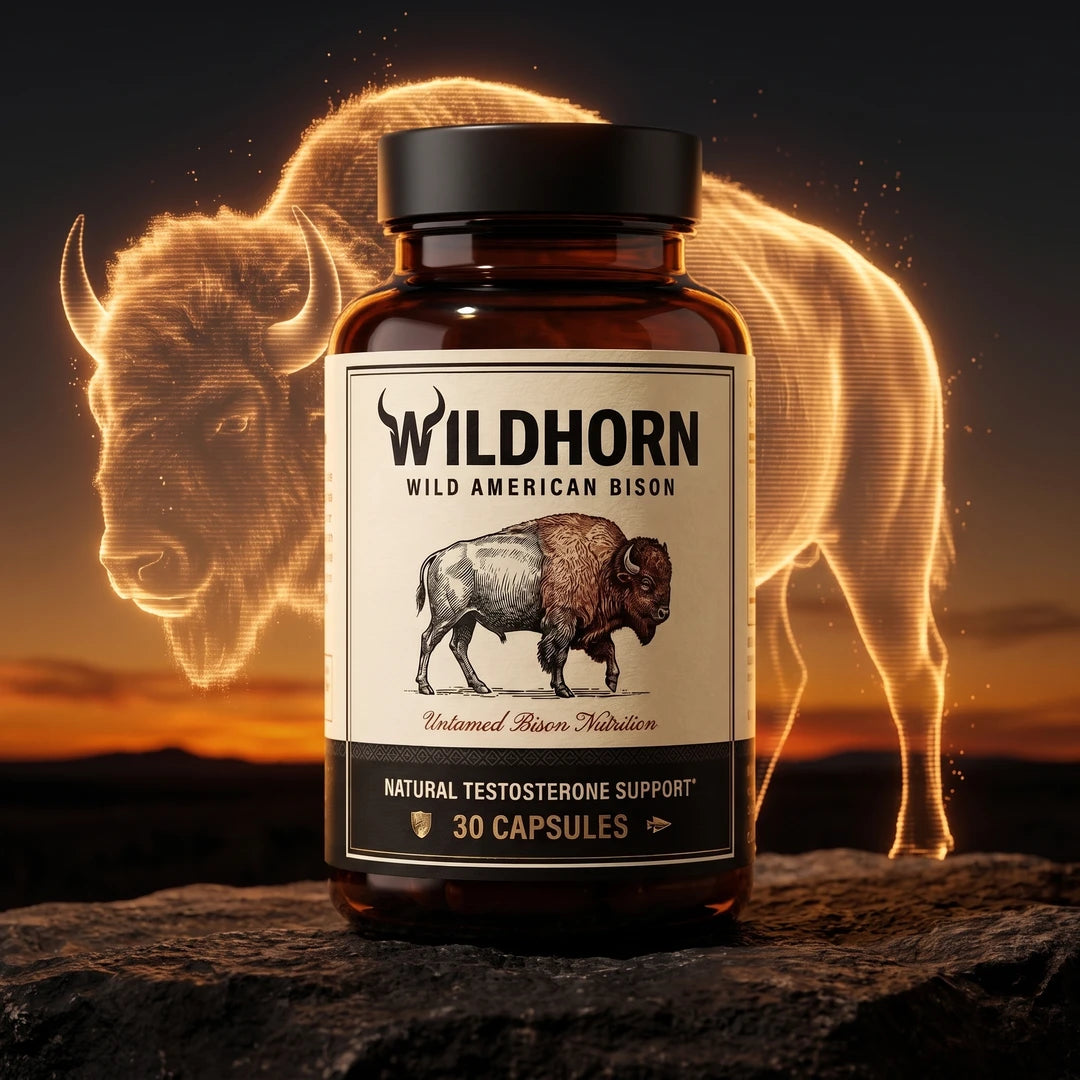
In our formula, we use freeze-dried raw wild bison organs to preserve the cofactor matrix without the nutrient losses from high-heat cooking. The team at the Wildhorn shop works specifically with wild American bison rather than feedlot cattle because the animal's diet and environment affect the nutrient profile of its organs, particularly the fat-soluble vitamins.
The choice between whole-food and synthetic is not always binary. For many nutrients, a well-formulated synthetic is practical and effective. For heme iron, natural retinol, and B12 in a food matrix, there is a genuine case for the whole-food form. Knowing the difference helps you make a more informed choice about your daily nutrition.
Frequently asked questions
What makes whole-food vitamins different from synthetic vitamins?
Whole-food vitamins arrive alongside cofactors, enzymes, and transport proteins naturally present in the food. Synthetic vitamins are isolated molecules. The practical difference shows up most clearly in absorption. Heme iron from animal tissue absorbs at 15 to 35 percent, while non-heme iron from supplements absorbs at 2 to 20 percent, largely because of this structural difference.
Is heme iron better absorbed than non-heme iron?
Research consistently shows heme iron absorbs at a higher rate than non-heme forms. The body transports it intact via the HCP1 receptor, bypassing the pH-sensitive pathway non-heme iron must compete through. For everyday dietary planning, this efficiency difference is meaningful. The NIH Office of Dietary Supplements iron fact sheet details the absorption data with full citations.
What is the BCO1 polymorphism and why does it matter for vitamin A?
BCO1 is the enzyme that converts beta-carotene from plant foods into usable vitamin A. A common genetic variant, present in an estimated 45 percent of the population, reduces that conversion efficiency. Individuals with this variant may get significantly less vitamin A from plant sources than standard conversion rates suggest. Preformed retinol from animal sources does not require this conversion step.
Does cooking affect the cofactor matrix in organ meats?
Heat affects several nutrients differently. B12 and fat-soluble vitamins like retinol are fairly heat-stable at moderate temperatures, but prolonged high-heat cooking can cause losses. CoQ10 shows moderate heat stability. Freeze-drying at low temperatures is one method used to preserve the nutrient profile of organ tissue without the losses associated with high-heat processing.
Why do organ meats contain more micronutrients than muscle meat?
Organs are metabolically active tissue that concentrate specific nutrients. The liver processes and stores vitamins, making it exceptionally dense in vitamin A, B12, folate, copper, and heme iron. The heart is dense in CoQ10 because of its continuous energy demands. Muscle meat provides quality protein and some B vitamins, but does not concentrate micronutrients the way metabolically active organs do.
These statements have not been evaluated by the Food and Drug Administration. This product is not intended to diagnose, treat, cure, or prevent any disease.
Written by The Wildhorn Desk, Men's Health Editor.