How Ashwagandha Supports Testosterone in Men Over 45
8 min read
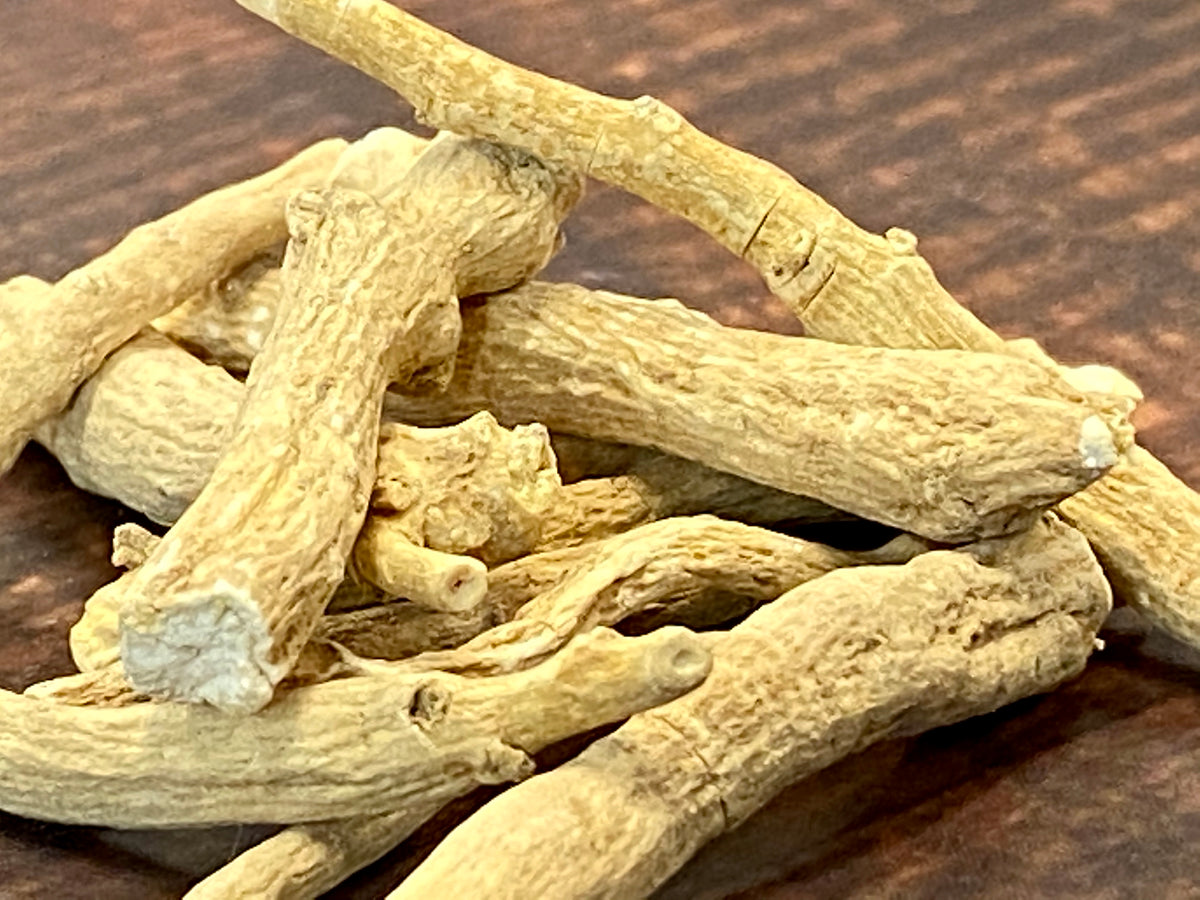
Ashwagandha is a root extract classified as an adaptogen. Its active withanolide compounds help moderate the body's cortisol response. Chronically elevated cortisol suppresses LH secretion and raises SHBG, both of which reduce available testosterone. By supporting a healthier cortisol balance, ashwagandha helps create the environment where healthy testosterone levels can be maintained.
"Ashwagandha Root" by Formulatehealth.com is licensed under CC BY 2.0. To view a copy of this license, visit https://creativecommons.org/licenses/by/2.0/.
What Happens to Your Hormones After 45
After 45, testosterone production naturally declines at roughly 1 to 2 percent per year. That's not a disease. It's biology. But the pace and severity vary enormously from man to man, and your lifestyle has more influence than most guys realize.
Testosterone is made primarily in the Leydig cells of the testes, triggered by a cascade that starts in the brain. The hypothalamus releases GnRH, which signals the pituitary to release luteinizing hormone (LH), which then signals the testes to produce testosterone. That chain works well when the body is calm and recovered. It works poorly under chronic stress.
Here's what most men don't consider: cortisol doesn't just make you feel wired and tired. It actively interferes with the testosterone signaling pathway. When cortisol stays elevated, LH secretion gets suppressed. Less LH means less signal reaching the testes. Lower signal, lower output.
There's also the matter of sex hormone-binding globulin, or SHBG. Elevated cortisol is associated with higher SHBG levels. SHBG binds to testosterone in the bloodstream and renders it unavailable to tissue. Your total testosterone might test within a normal range, but if a large portion is bound to SHBG, the free testosterone your cells can actually use drops considerably.
This is the hormonal environment ashwagandha targets.
The Cortisol-Testosterone Connection
Both cortisol and testosterone are steroid hormones synthesized from cholesterol. They share upstream precursors in the production pathway. Under stress, the body prioritizes cortisol production. It's a survival mechanism. Short-term, that makes sense. Long-term, if cortisol demand stays chronically high, the hormonal environment tips away from testosterone.
Think of it this way: your endocrine system has limited resources for steroid hormone production. Chronic stress keeps the body in a cortisol-first posture. The testosterone pathway doesn't get shut off entirely, but it works against headwinds.
Men over 45 who carry high workloads, poor sleep, or unresolved physical stress often see this pattern. Their total testosterone may still read within a normal range, but the upper end of that range drifts lower year by year.
The practical implication is that anything reducing the chronic cortisol burden gives testosterone a cleaner track to run on. That's where ashwagandha enters the picture.
How Ashwagandha Modulates Cortisol
Ashwagandha (Withania somnifera) is classified as an adaptogen. The term gets overused, but it has a specific meaning: an adaptogen helps the body buffer against physiological stress without stimulating or sedating. It's a modulator, not a blocker.
The active compounds in ashwagandha root extract are called withanolides. The best-studied are withaferin A and withanolide D. These compounds appear to interact with the HPA axis (hypothalamic-pituitary-adrenal axis), which governs cortisol secretion. The result, seen consistently in controlled trials, is a measurable reduction in serum cortisol without blunting the acute stress response your body still needs.
Two standardized extract forms dominate the research:
- KSM-66 is a root-only extract standardized to 5% withanolides. It has the largest clinical dataset and is the form most often used in testosterone-related studies.
- Sensoril uses both root and leaf material, standardized to around 10% withanolides. It's associated with stronger relaxation effects and is better studied for sleep quality and evening use.
Dosage in the research typically runs 300mg to 600mg of KSM-66 per day, with most testosterone-relevant trials using twice-daily dosing split between morning and evening.
What the Research Actually Shows
The evidence base here is more solid than for most herbal extracts. A 2019 randomized controlled trial published in Medicine studied 57 men taking 300mg of KSM-66 twice daily versus a placebo group. After eight weeks, the ashwagandha group showed a statistically significant increase in serum testosterone alongside measurable reductions in cortisol compared to baseline.
Separately, a double-blind, placebo-controlled study by Chandrasekhar et al. (n=64 adults) found that 300mg KSM-66 twice daily reduced serum cortisol by 27.9% over 60 days. That cortisol reduction correlated with improvements in perceived stress and recovery markers.
These are meaningful numbers. A 27% cortisol reduction isn't a rounding error. And the testosterone findings, while not dramatic in absolute terms, are consistent across multiple trial groups and independent research teams.
Worth noting: these studies looked at healthy men, not men with diagnosed endocrine conditions. The mechanism supports testosterone that's already within a normal range. Ashwagandha is not a pharmaceutical hormone intervention.
For men over 45, the goal isn't restoring youthful levels. It's supporting the upper part of your natural range by reducing one of its primary obstacles.
How to Use Ashwagandha Properly
Three things determine whether ashwagandha works for you: extract quality, dose, and consistency.
- Extract quality: Insist on standardized extracts. "Ashwagandha root powder" without a stated withanolide percentage is not equivalent to KSM-66 or Sensoril. Bulk powders and generic capsules often skip this information, which makes their actual potency guesswork.
- Dose: 300mg to 600mg of a 5% standardized root extract per day. Split the dose if you're using 600mg. Take it with food to reduce any chance of stomach sensitivity.
- Consistency: Ashwagandha is not fast-acting. The cortisol modulation builds over weeks. Most trials showing hormonal effects ran eight to twelve weeks. Give it at least 60 days before drawing conclusions.
- Timing: Some men prefer morning dosing for the energy-related effects, others prefer evening for sleep and recovery. Research used split morning and evening dosing more often than not, which covers both ends.
Stacking Ashwagandha With Other Testosterone-Support Ingredients
Ashwagandha doesn't work in isolation for most men. A few other ingredients have research-backed roles in supporting healthy testosterone:
- Zinc: Involved in LH receptor sensitivity and testosterone synthesis. Deficiency is common in men who sweat heavily or follow low-meat diets. Even moderate deficiency can suppress testosterone already within a normal range.
- Vitamin D3: Receptors for vitamin D exist in testicular tissue. Men at the lower end of the vitamin D reference range tend to sit at the lower end of the testosterone reference range as well. Keeping D3 already within a normal range supports that hormonal baseline.
- Boron: At 10mg per day, boron has been shown to reduce SHBG and support free testosterone in men already within a normal range.
- Fenugreek: Contains furostanolic saponins that may support LH levels and help maintain testosterone already within a normal range.
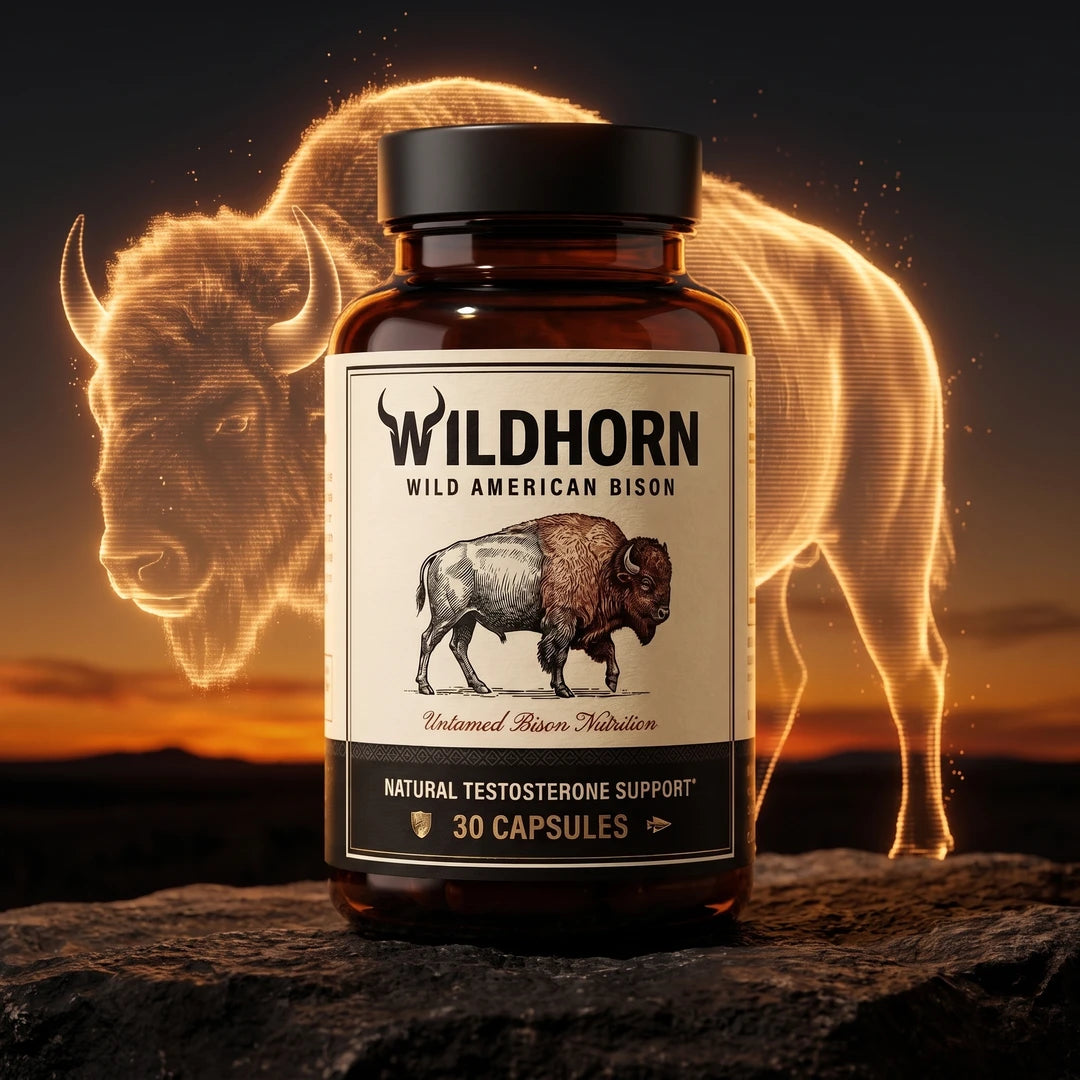
Customers often ask us why we included all four of these alongside ashwagandha in our formula rather than isolating one active ingredient. The answer is that testosterone support is a system, not a single lever. Cortisol management via ashwagandha matters, but if zinc is deficient or SHBG is running high, you've only fixed part of the problem.
A natural testosterone support formula that addresses multiple pathways at once is more practical than running four separate capsules at varying doses.
Realistic Expectations and Timelines
This is not a magic bullet. Worth saying plainly.
Ashwagandha does not replace sleep. It does not compensate for chronic overtraining, heavy alcohol use, or significant metabolic dysfunction. These factors suppress testosterone through independent mechanisms that an adaptogen cannot fully offset.
What ashwagandha can do: give your endocrine system a calmer base to operate from. Lower the cortisol interference. Support the hormonal environment where your natural testosterone can express itself near the top of your individual range.
For men over 45 who sleep reasonably well, train with some consistency, and eat enough protein, the cortisol management pathway is often a meaningful lever. The stress-testosterone connection is underappreciated partly because it doesn't show up on a standard testosterone panel unless you also test cortisol and SHBG.
Expect to notice sleep quality changes first, often within two to three weeks. Mood steadiness and recovery between workouts tend to follow. Testosterone lab values, if you're tracking them, are a 60 to 90 day metric.
Manage expectations. Track the right markers. Give it time.
Frequently asked questions
How long does ashwagandha take to support testosterone levels?
Most research showing testosterone-supportive effects ran eight to twelve weeks. You may notice changes in sleep quality and stress response within two to four weeks. Testosterone is a longer-cycle marker, so give it at least 60 to 90 days before drawing conclusions.
What is the best form of ashwagandha for testosterone support?
KSM-66 is the most studied extract in testosterone-related trials. It's a root-only extract standardized to 5% withanolides. Look for this specific designation rather than generic ashwagandha root powder, which may not have a consistent or documented withanolide content.
Does ashwagandha actually help support healthy testosterone?
Ashwagandha helps support testosterone already within a normal range by moderating cortisol, which interferes with the body's natural testosterone-signaling pathway. It's not a pharmaceutical intervention and doesn't override your body's normal production ceiling.
Is it safe to take ashwagandha every day?
Research trials have used 300mg to 600mg of standardized KSM-66 extract daily for up to 90 days with a favorable safety profile in healthy adults. As with any supplement, check with your doctor before starting if you take medications or have an existing health condition.
Does chronic stress actually affect testosterone levels?
Chronically elevated cortisol suppresses LH secretion from the pituitary and raises SHBG levels. Both effects reduce the free testosterone available to your cells. Managing the cortisol load is one of the more practical steps for supporting healthy testosterone already within a normal range.
These statements have not been evaluated by the Food and Drug Administration. This product is not intended to diagnose, treat, cure, or prevent any disease.
Written by The Wildhorn Desk, Men's Health Editor.