Bison vs Beef: A Nutritional Breakdown for Men
8 min read
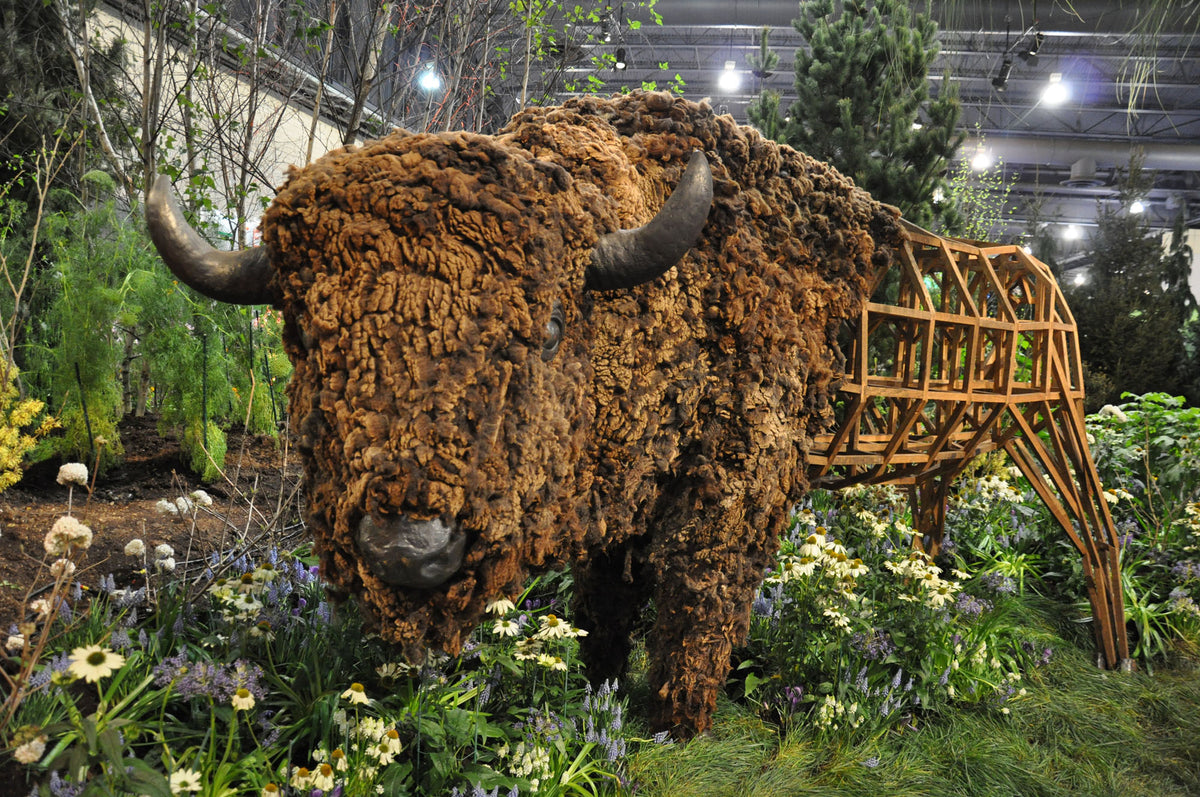
Bison runs about 40 percent lower in total fat than comparable grain-finished beef across most cuts, with a meaningfully better omega-3 to omega-6 ratio. Protein content is close. Wild or grass-finished sourcing widens that gap further, making bison a practical choice for men tracking body composition and overall protein quality.
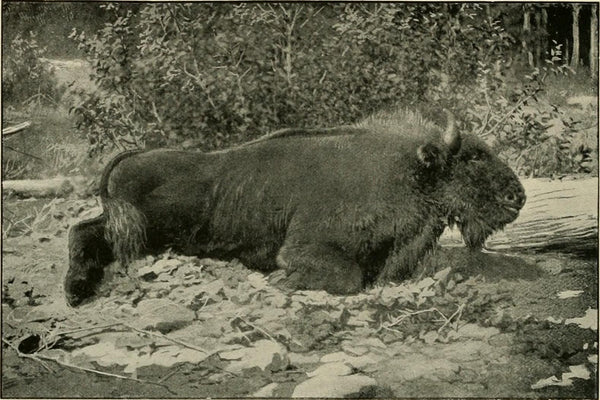
"2016-03-07 0890n bison (28051155086)" by Laura Blanchard from Philadelphia, USA is licensed under CC BY-SA 2.0. To view a copy of this license, visit https://creativecommons.org/l
Why Protein Source Matters After 40
After 40, protein quality starts to matter more than most men realize. Muscle protein synthesis slows, roughly 10 to 15 percent per decade according to research on aging adults. Recovery takes longer. And the fat that comes alongside your protein source begins to carry more nutritional weight than it did when you were 25 and could outrun a bad diet.
Most men are eating grain-finished beef by default. Not a criticism. It's what stocks the supermarket case, it's affordable, and it's a solid protein source. But a real nutritional gap exists between that and wild-sourced bison, and it shows up clearly in the numbers.
This isn't about trendy eating or reclassifying red meat as a superfood. It's about understanding where bison actually differs from beef so you can make a smarter decision at the butcher counter or when choosing a supplement. We'll go cut by cut, macro by macro, and look at the sourcing factors that drive the biggest differences.
Cut-by-Cut Numbers: Bison vs. Grain-Finished Beef
All figures below are per 100g cooked weight, drawn from the USDA FoodData Central database. Bison figures represent wild-caught or grass-finished animals. Beef figures represent conventional grain-finished product.
| Cut | Bison Cal | Bison Protein | Bison Total Fat | Bison Sat. Fat | Beef Cal | Beef Protein | Beef Total Fat | Beef Sat. Fat |
|---|---|---|---|---|---|---|---|---|
| Ground (90% lean) | 146 | 24.5g | 4.9g | 1.9g | 215 | 26.3g | 11.4g | 4.4g |
| Sirloin | 142 | 25.1g | 3.7g | 1.4g | 195 | 28.0g | 8.3g | 3.2g |
| Ribeye | 178 | 28.0g | 6.5g | 2.5g | 291 | 24.0g | 21.0g | 8.3g |
The calorie gap is striking on ribeye. Bison ribeye runs more than 110 calories lighter per 100g than beef ribeye. Protein is comparable across ground and sirloin cuts. The fat difference is the headline number, and it shows up even in the leaner cuts. Saturated fat tells the same story: bison consistently runs less than half of grain-finished beef across all three cuts.
The Fat Profile: Where Bison Pulls Ahead
Total fat and calories only tell part of the story. The type of fat matters too, and that's where wild bison creates a meaningful separation from grain-finished beef.
Wild and grass-finished bison carry a better omega-3 to omega-6 fatty acid ratio than grain-finished beef. In a grass-fed ruminant, that ratio typically runs between 1:1 and 1:3. Standard feedlot beef usually falls between 1:6 and 1:20. That spread matters because omega-6 and omega-3 fatty acids have different roles in the body, and the balance between them affects how they function.
A 2010 review in Nutrition Journal found that grass-finished beef contained significantly higher concentrations of total omega-3 fatty acids than grain-finished cattle, with an omega-6 to omega-3 ratio more than twice as favorable. Wild bison, which by definition have never been grain-finished, show similar or better profiles than grass-finished beef.
Conjugated linoleic acid is another fat worth knowing about. Grass-fed and wild ruminants produce two to four times more CLA than grain-finished animals. CLA is a naturally occurring fatty acid found in red meat and dairy from ruminants, studied for its role in supporting healthy body composition in adults.
Bison starts from a cleaner fat baseline because of how it lived. Not marketing. Biology.
Why Sourcing Matters as Much as Species
Here's the part most bison comparisons skip: not all bison is wild bison.
The bison industry has grown fast over the past 20 years. A meaningful portion of commercial bison is now grain-finished in feedlots, run similarly to conventional beef operations. When that happens, the fat profile shifts toward the beef-like numbers outlined in the table above. The omega-3 advantage narrows. The CLA advantage shrinks. You're left with a protein that's leaner than beef by default, because bison naturally carry less body fat, but without the full nutritional benefit of wild-sourced animals.
The comparison that holds up is wild or grass-finished bison against grain-finished beef. That's where the gap is real and consistent. Bison from animals that lived on native grassland, never touching a grain ration, will show measurably different fatty acid profiles than their feedlot counterparts.
The same logic applies in reverse. Grass-fed, grass-finished beef narrows the comparison gap considerably. The variable that matters most is what the animal ate. Species is secondary.
When evaluating any bison product, fresh meat or supplement, look for wild-sourced or 100% grass-finished on the label. Words like natural or premium don't tell you what the animal ate.
Key Micronutrients: Zinc, Iron, and Selenium
Protein and fat get most of the attention in these comparisons. But bison and beef differ on a few micronutrients that are relevant for men's health, and it's not a clean sweep for either protein.
Zinc. Grain-finished ground beef actually edges out bison here. Roughly 5.8mg per 100g in 90% lean ground beef versus 4.4mg in comparable bison. Both contribute meaningfully toward the adult male RDA of 11mg daily. Zinc helps maintain testosterone levels already within a normal range and plays a role in immune function and protein synthesis.
Heme iron. Bison leads. Wild bison ground runs about 3.4mg per 100g versus 2.5mg for lean ground beef. Heme iron from red meat is the most bioavailable form available, significantly more so than non-heme iron from plant sources. Men who train regularly have higher iron demands, and the difference compounds over time.
Selenium. Bison comes out ahead at approximately 24mcg per 100g compared to 19mcg for grain-fed ground beef. Selenium supports thyroid function and helps maintain antioxidant enzyme activity already within a normal range.
No single protein wins on every nutrient. The overall picture still favors wild bison, but the zinc numbers are worth knowing if you're tracking that marker specifically.
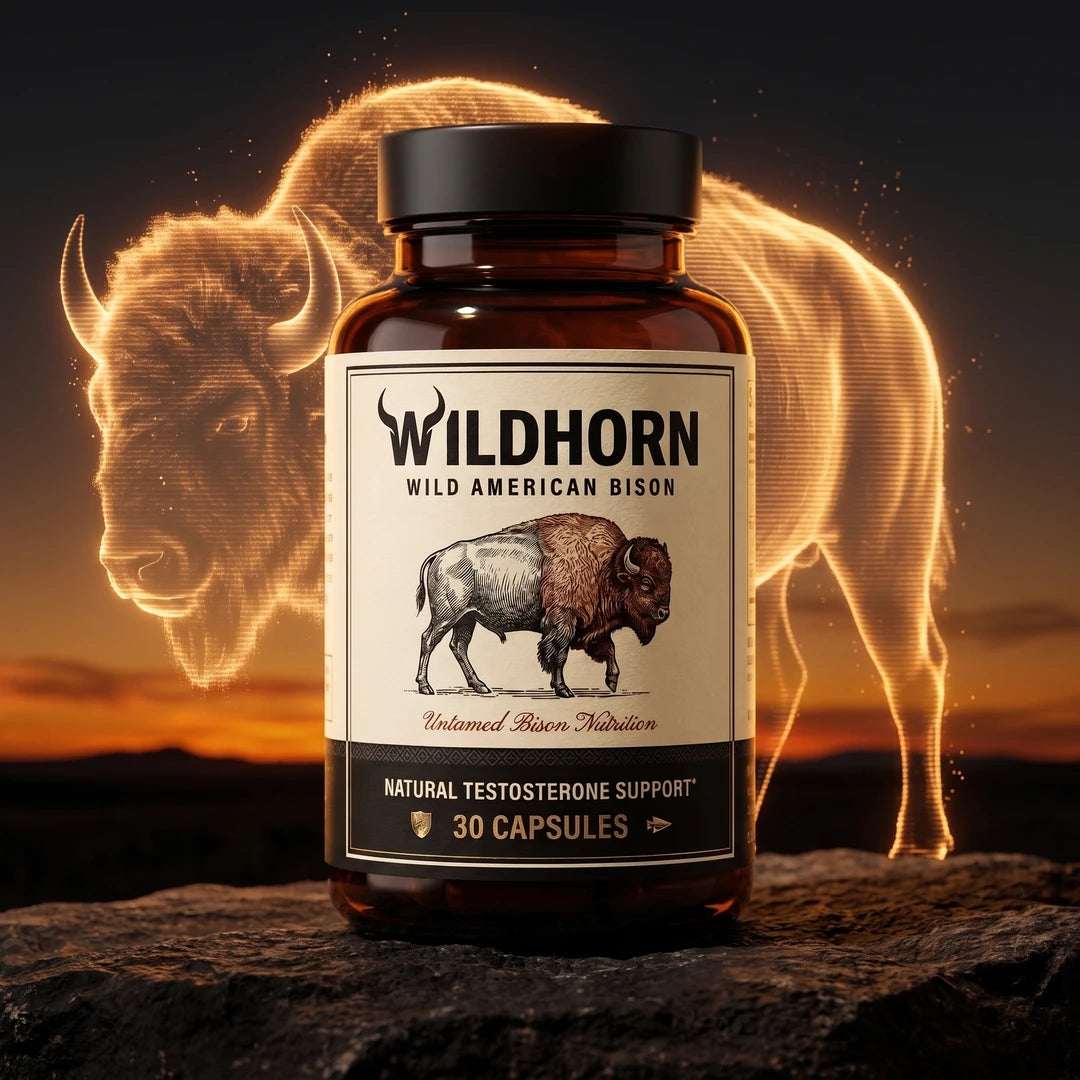
How Wild Bison Fits Into the Wildhorn Formula
Customers often ask us why we built a testosterone support product around wild bison rather than more common extracts or plant-based compounds. The answer starts with the nutrient profile outlined above.
Wild-sourced bison delivers a lean protein base with a favorable fat profile, solid heme iron, and meaningful selenium content. Zinc from bison helps maintain hormone health already within a normal range. That's a nutritionally coherent foundation before anything else enters the formula.
Most testosterone support products lead with a single extract or a long list of botanicals. We took a different approach: whole food nutrition as the base, then build from there. The bison matrix provides micronutrient context that isolated compounds often lack.
If you want the Wild Bison testosterone support blend we formulated, sourcing was the first decision we made. Wild-harvested animals, not grain-finished. That distinction drives the nutritional difference we're banking on.
Practical Takeaways for Your Protein Choices
A few things worth acting on from this comparison.
If you're buying fresh bison, look for wild-harvested or 100% grass-finished on the package. Ask the butcher or check with the producer directly. A label that says bison doesn't designed the sourcing that creates the nutritional advantage.
If beef is your main protein, switching to grass-fed, grass-finished dramatically improves the omega-3 ratio. The gap between grass-fed beef and wild bison is much smaller than the gap between grain-fed beef and either option. Don't write off beef entirely based on this comparison.
Rotate. No single protein source covers every nutritional base. Bison, wild-caught fish, eggs, and legumes each bring different profiles. Variety is the practical strategy, not loyalty to any one food.
If cooking bison regularly isn't realistic, a supplement built from wild-harvested bison can fill part of that nutritional gap without a specialty butcher and a large grocery bill. The key word is sourcing. Wild-harvested or grass-finished on the label. Check what you're buying before assuming the benefits carry over.
Frequently asked questions
Is bison meat actually healthier than beef?
Bison runs lower in total fat and calories than comparable grain-finished beef across most cuts, with a better omega-3 to omega-6 ratio in wild-sourced animals. On zinc, lean ground beef has a slight edge. Overall, wild or grass-finished bison offers a leaner nutritional profile, but sourcing matters more than the species label.
Does bison support testosterone levels?
Bison is a source of zinc and selenium, two nutrients that help maintain testosterone levels already within a normal range. It is also a complete protein containing all essential amino acids. A bison-based diet supports men's nutritional needs as part of a balanced approach to protein intake.
What is the difference between wild bison and farmed bison?
Wild bison live on native grassland and eat a natural diet, which produces a better omega-3 to omega-6 ratio and higher CLA content. Farmed bison may be grain-finished, shifting the fat profile closer to conventional beef. Look for wild-harvested or 100% grass-finished on the label to get the full nutritional advantage.
How does bison compare to beef on protein content?
Protein is similar across most cuts. Ground bison runs about 24.5g per 100g cooked versus 26.3g for 90% lean ground beef. Sirloin and ribeye are comparable. The meaningful nutritional difference between the two proteins is in fat content and fat type, not in protein quantity.
Can I get the nutritional benefits of wild bison from a supplement?
A supplement made from wild-sourced bison can deliver the micronutrient profile, including zinc, selenium, and heme iron, associated with the whole protein. It won't replace whole food in your diet, but it is a practical option when cooking bison regularly isn't feasible. Sourcing of the supplement matters as much as sourcing of the fresh meat.
These statements have not been evaluated by the Food and Drug Administration. This product is not intended to diagnose, treat, cure, or prevent any disease.
Written by The Wildhorn Desk, Men's Health Editor.