How Creatine in Red Meat Supports Muscle Strength
8 min read
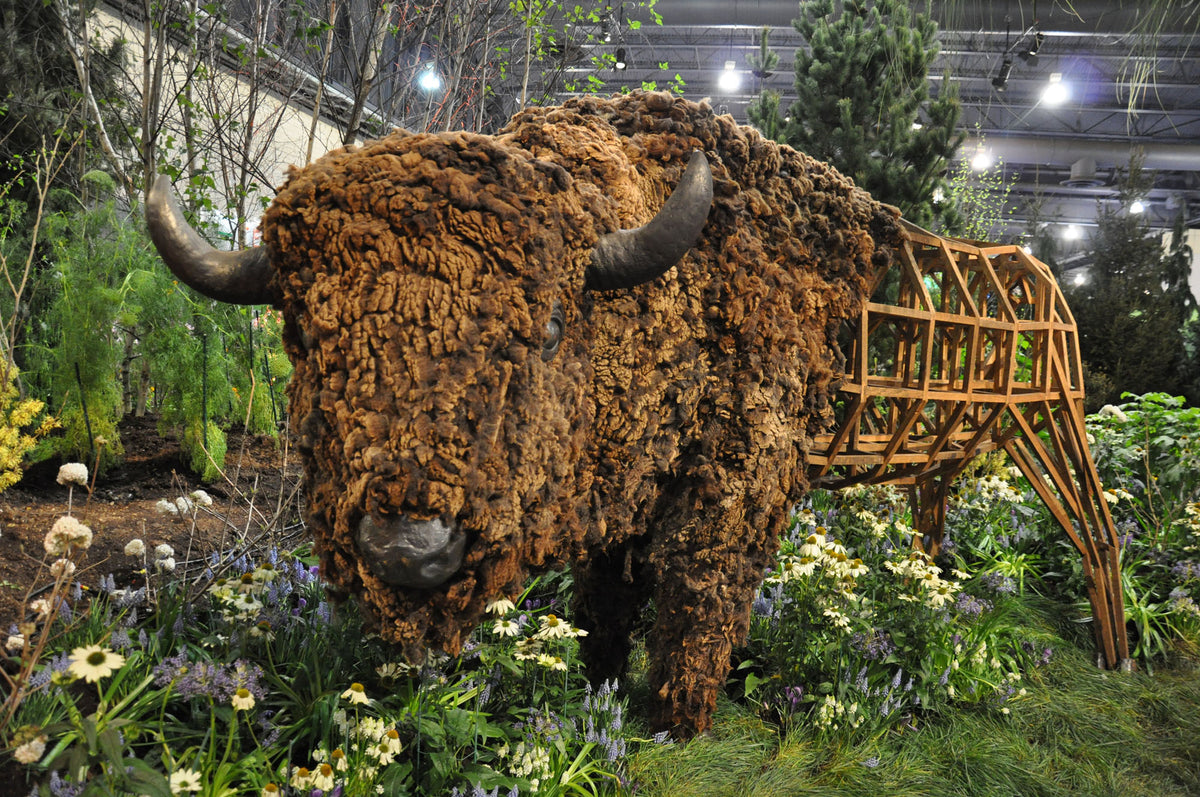
Red meat, especially beef and bison, contains 1 to 2 grams of creatine per pound of raw tissue. That creatine helps fuel the ATP recycling system in muscle cells, supporting short-burst strength and power output during high-intensity effort.
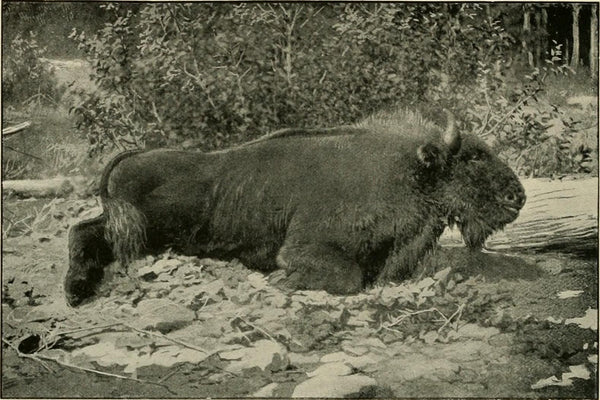
"2016-03-07 0890n bison (28051155086)" by Laura Blanchard from Philadelphia, USA is licensed under CC BY-SA 2.0. To view a copy of this license, visit https://creativecommons.org/l
Where Creatine Actually Comes From in Your Diet
Creatine is not a lab creation. It is a compound your body synthesizes naturally, and it shows up in meaningful amounts in animal muscle tissue. Beef and bison are among the richest dietary sources you can eat. A pound of raw beef provides roughly 1 to 2 grams of creatine depending on the cut. Leaner, more active muscles tend to carry more. Flank and round cuts often test higher than well-marbled rib cuts, where fat dilutes the muscle-to-weight ratio.
Bison trends higher than conventional feedlot beef. Grass-finished animals that spend their lives moving build denser, more metabolically active muscle fibers. More active fiber means more creatine phosphate stored per gram of tissue. Working muscles maintain elevated creatine reserves to power repeated contractions. That is simple physiology.
Lamb, venison, and pork also supply creatine, but red meat consistently leads among common foods. Fish is a solid secondary source, with herring and salmon providing around 1 gram per pound. Plant foods contain virtually none. This is one reason vegetarians and vegans show measurably lower muscle creatine stores at baseline, often responding more dramatically when they begin supplementing.
ATP Recycling: The Mechanism Behind Muscle Power
To understand why creatine matters, you need a quick look at how muscles produce force. Every muscle contraction runs on adenosine triphosphate, or ATP. The problem is that your muscles store only a second or two worth of ATP at any given moment. For a heavy squat or a sprint, that is not nearly enough.
This is where the phosphocreatine system steps in. When ATP breaks down into ADP, phosphocreatine donates a phosphate group to rebuild it back into ATP almost instantly. This system supports your muscles through roughly the first 8 to 12 seconds of maximal effort, covering most explosive and strength-focused movements.
Creatine from dietary sources, including red meat, contributes to the pool of creatine phosphate your muscle cells store. Higher baseline stores support faster ATP recycling, which in turn supports the ability to generate force repeatedly within a set or across successive efforts. Research on phosphocreatine and high-intensity performance consistently links higher muscle creatine stores to improved strength output already within a normal training range.
Food Creatine vs. Powdered Monohydrate: The Real Difference
Powdered creatine monohydrate works. The research on it is extensive and consistent. But dietary creatine from red meat is not the same thing as taking a 5-gram scoop dissolved in water, and understanding the difference matters for setting realistic expectations.
When you eat a steak, creatine arrives embedded in a food matrix, alongside protein, fat, iron, zinc, and carnosine. Digestion is slower. Absorption happens in the small intestine over hours rather than minutes. You are not flooding your system with a concentrated dose. The result is a steady, moderate contribution to your baseline muscle creatine pool.
Supplemental monohydrate delivers a high, fast bolus. Loading protocols using 20 grams per day for five days can saturate muscle creatine stores more quickly than diet alone ever could. For someone eating a standard omnivore diet, muscle stores typically sit at around 60 to 80 percent of theoretical maximum. A loading protocol can push that closer to 100 percent.
Neither approach is wrong. They serve different purposes. Dietary creatine from red meat and organ tissue helps maintain baseline stores. Supplementation is a tool for pushing levels higher than food alone can reach. The two complement each other rather than compete.
Why Cooking Temperature Changes Your Creatine Intake
Here is something most people never consider: cooking degrades creatine. At high temperatures, creatine partially converts to creatinine, a byproduct your kidneys clear without benefit to muscle tissue. The higher the heat and the longer the cooking time, the more creatine is lost.
A well-done steak can lose 20 to 30 percent of its raw creatine content. Rare or medium-rare retains significantly more. Slow, low-temperature methods like braising preserve more than high-heat searing, partly because the cooking liquid captures some of what leaches from the tissue during the process.
This is also why meat broth and pan drippings carry small amounts of creatine and creatinine. Boiling extracts water-soluble compounds from muscle tissue into the surrounding liquid. None of this means you need to eat rare meat exclusively. A medium-cooked steak still delivers a meaningful creatine dose. But it is a reason not to consistently overcook your red meat if supporting muscle creatine stores is a priority.
Organ Meats and Concentrated Creatine
Customers often ask us about the role of organ meats in a performance-focused diet. Heart muscle is the clearest case. Cardiac muscle works continuously, never resting between beats, and it maintains some of the highest creatine phosphate concentrations in the body. Beef heart provides roughly 2 to 3 grams of creatine per pound, rivaling the richest skeletal muscle cuts.
Liver is lower in creatine than cardiac or skeletal muscle, but it concentrates other nutrients, including vitamin B12, copper, and CoQ10, that support mitochondrial function and energy metabolism. Whole-animal nutrition stacks complementary benefits that no single muscle cut delivers alone.
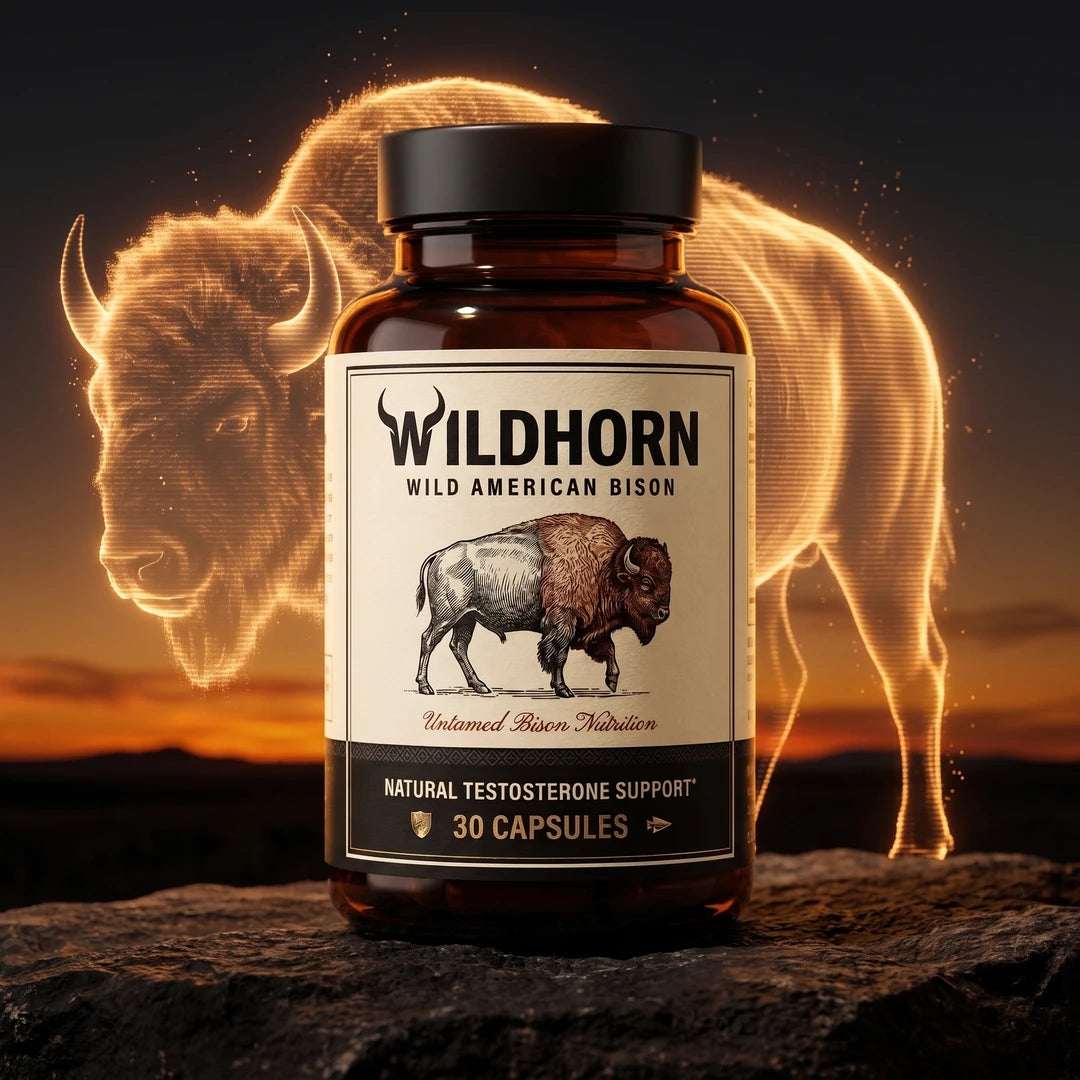
Wild or grass-finished organ meats reflect the metabolic demands of active animals. A bison heart that powered a 1,200-pound animal across open grassland carries different nutritional density than the equivalent tissue from a sedentary feedlot animal. This is one principle behind the Wild Bison Testosterone Booster, which draws on concentrated whole-food animal sources for its nutrient profile.
What Research Tells Us About Dietary Creatine and Strength
Most creatine research uses supplemental monohydrate because it allows researchers to control the dose precisely. Studies on dietary creatine from food are fewer, but the mechanistic picture is consistent: higher muscle creatine stores, from any source, support greater ATP recycling capacity during high-intensity work.
A review published in Nutrients examining dietary creatine intake and muscle stores noted that individuals with higher habitual red meat consumption start with higher baseline muscle creatine levels before supplementation. That higher starting point means a smaller gap to close through targeted supplementation.
For men 45 and older, maintaining muscle creatine stores takes on added weight. Muscle protein synthesis slows with age. ATP recycling efficiency can decline gradually. Supporting the phosphocreatine system through diet and, where appropriate, through targeted supplementation helps maintain the foundation for strength and power output already within a normal range.
How Much Creatine You Can Realistically Get From Red Meat
A practical look at the numbers helps set expectations. A 6-ounce serving of raw beef provides roughly 0.7 to 1 gram of creatine before cooking losses. Eat two solid servings of red meat per day and you are pulling in 1 to 2 grams of dietary creatine. That is real, consistent support for baseline muscle stores.
The theoretical maximum muscle creatine saturation for a 180-pound man is around 160 grams total across all muscle tissue. Reaching full saturation through diet alone is not realistic. You would need far more meat than is practical or healthy to consume daily. This is exactly where a concentrated, whole-food-based formula earns its place: not as a replacement for a quality diet, but as a way to close the gap between what food provides and what your muscles can hold.
Eating quality red meat regularly, prioritizing leaner and grass-finished cuts, cooking at moderate temperatures, and considering organ-based concentrates together form a practical strategy for men who want to support muscle strength through their 50s and 60s without relying on a stack of synthetic powders.
Frequently asked questions
How much creatine does red meat actually contain?
Raw beef and bison provide roughly 1 to 2 grams of creatine per pound of tissue, depending on the cut. Leaner, more active muscles like flank or round tend to run higher. High-heat cooking can reduce this by 20 to 30 percent compared to raw.
Is creatine from food absorbed differently than creatine powder?
Yes. Dietary creatine from meat is absorbed more slowly as part of a food matrix, contributing steadily to baseline muscle creatine stores over hours. Supplemental monohydrate delivers a faster, larger dose that can push muscle stores closer to their theoretical maximum.
Can eating more red meat replace creatine supplements?
For most men, diet alone cannot fully saturate muscle creatine stores. A practical omnivore diet provides 1 to 2 grams per day, which supports baseline levels. Getting to full saturation typically requires supplementation on top of solid dietary habits.
Why do organ meats like heart contain more creatine?
Cardiac muscle works continuously without rest and maintains high creatine phosphate reserves to support constant ATP recycling. Beef heart provides among the highest creatine concentrations of any commonly eaten tissue, roughly 2 to 3 grams per pound of raw meat.
Does creatine from food support muscle strength the same way a supplement does?
Mechanistically, yes. Both contribute to the phosphocreatine pool that fuels ATP recycling during high-intensity muscle contractions. The practical difference is dose: food provides moderate, steady support while supplementation can push stores to a higher ceiling.
These statements have not been evaluated by the Food and Drug Administration. This product is not intended to diagnose, treat, cure, or prevent any disease.
Written by The Wildhorn Desk, Men's Health Editor.