Fenugreek vs. Tribulus: Which Herb Actually Delivers?
8 min read
Fenugreek has stronger human clinical data for supporting free testosterone levels already within a normal range. Tribulus has decades of marketing behind it but limited evidence from well-designed human trials. For men 45-plus, fenugreek extracts standardized to furostanolic saponins have the better track record.
Two Herbs, Two Very Different Track Records
Fenugreek and tribulus have both spent years at the top of testosterone-support formula lists. Ask most men at the gym which one works, and you'll get a confident answer. The problem is that confidence usually isn't backed by much more than brand marketing and decades of word-of-mouth.
Here's what's actually known.
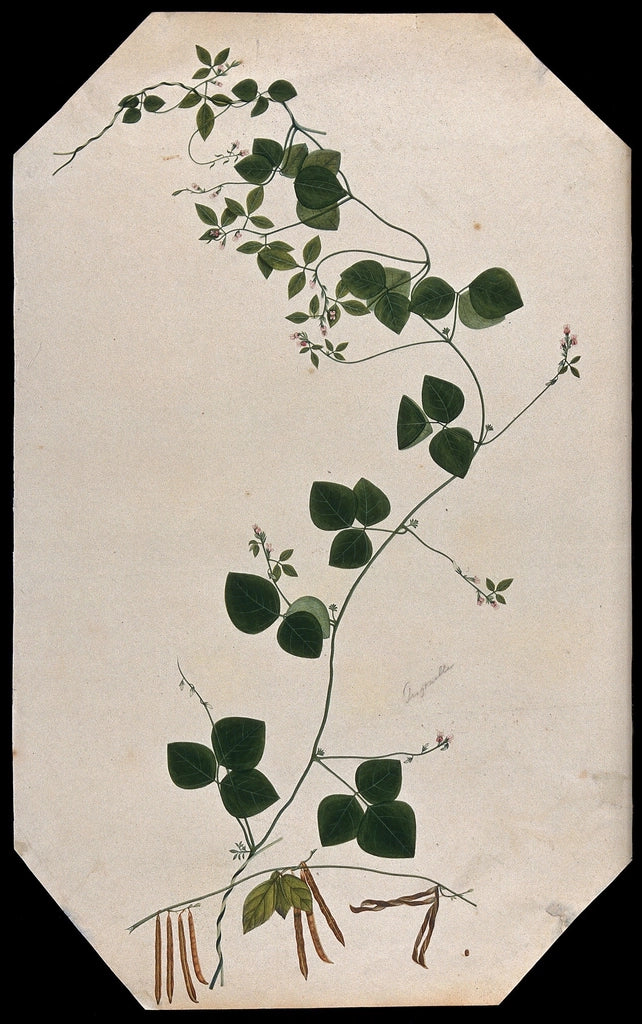
Fenugreek (Trigonella foenum-graecum) is a legume native to the Mediterranean and western Asia. The seeds contain furostanolic saponins, including compounds like protodioscin, that appear to interact with enzymes involved in testosterone metabolism. It's been used in cooking and traditional medicine for centuries, but the scientific interest is more recent.
Tribulus terrestris is a plant found across Europe, Asia, and Africa. It gained gym popularity in the 1990s after reports, mostly unverified, that Eastern European strength athletes used it. Its main actives are steroidal saponins, with protodioscin appearing in both plants. Similar names, though. Not similar results.
The Case for Fenugreek
The strongest argument for fenugreek rests on controlled human trials, not on animal data or traditional use alone.
The most-cited study is a 2010 double-blind, placebo-controlled trial published in the International Journal of Sport Nutrition and Exercise Metabolism. Forty-nine resistance-trained men took 500 mg of a fenugreek extract called Testofen daily for eight weeks. Testofen is standardized to 50% fenugreek glycosides. The extract group showed notable differences in free testosterone levels already within a normal range, along with improvements in body composition and strength versus the placebo group.
How does fenugreek actually work? Two proposed mechanisms get the most attention:
- Aromatase inhibition - furostanolic saponins may slow the enzyme that converts testosterone to estrogen. Less conversion means more testosterone stays in circulation.
- 5-alpha reductase inhibition - the same saponins may reduce conversion of testosterone to DHT, which keeps more active testosterone available.
A 2016 study in the Journal of Sport and Health Science followed 60 healthy male volunteers for 12 weeks. The fenugreek group showed favorable changes in free testosterone already within a normal range, plus improvements in sexual interest and energy, compared to placebo. These are structure and function outcomes, not disease endpoints.
The data isn't perfect. Sample sizes are small, and most trials are industry-funded. But the direction is consistent across multiple studies, and that consistency matters.
The Case for Tribulus
Tribulus has a longer marketing history than fenugreek but a shorter list of convincing human evidence.
The animal data looks genuinely interesting. Rat studies show tribulus extract raising LH, the signal that tells the testes to produce more testosterone. Plausible mechanism. The problem is it hasn't translated cleanly into human subjects.
A 2000 study published in Medicine and Science in Sports and Exercise gave resistance-trained men 3.21 mg/kg of tribulus per day for eight weeks. Result: no significant difference in testosterone, strength, or lean body mass compared to placebo.
A review in the Journal of Ethnopharmacology assessed multiple human trials and found evidence for testosterone elevation in healthy men was weak at best. That review is available on PubMed. The authors noted that positive-result trials tended to use less rigorous designs or recruited men with very low baseline hormone levels to begin with.
Where tribulus may have some role: a few studies in men with already-low baseline levels have shown more movement. But for the average healthy man in his 50s looking to support what his body is already doing, the return looks limited. The gap between the marketing and what the human trials actually show is real.
Why Study Quality Changes Everything
Before deciding which herb to stack, it helps to know how to read the evidence.
Not all studies carry the same weight. The filters that matter:
- Double-blind, placebo-controlled - the gold standard. Open-label trials, where subjects know what they're taking, introduce bias that inflates results. Seek this design.
- Standardized extract, not raw powder - a study on 500 mg of Testofen says nothing about 500 mg of generic fenugreek seed powder. These are different products. Standardization to a specific percentage of active compounds is what makes results reproducible across different batches and brands.
- Healthy subjects - trials run in men with clinically low hormone levels will show bigger effect sizes. That doesn't mean the same herb works the same way in men with levels already within a normal range.
- Duration of at least 8 weeks - four-week trials rarely show meaningful changes in hormone markers. Eight to twelve weeks is the minimum to take results seriously.
Fenugreek clears more of these filters than tribulus does. That gap is what separates marketing from evidence.
Practical Dosing: What the Research Actually Used
If you decide to use fenugreek, dose and form matter as much as the herb itself.
Trials that showed support for testosterone levels already within a normal range used:
- 300 mg to 600 mg of standardized fenugreek extract per day
- Standardization to at least 40-50% fenugreek glycosides or furostanolic saponins
- Consistent daily use over 8 to 12 weeks
Fenugreek seed capsules from the bulk spice aisle are not the same product used in those trials. Standardization is the variable that makes the data reproducible. Without it, you're guessing at the dose of active compounds.
For tribulus, studies that showed no effect typically used 750 mg to 1250 mg per day. Higher dosing doesn't appear to rescue the null results. If it's not working at standard doses, more is unlikely to change that.
Customers often ask us about the specific form of fenugreek we use. The answer is always standardized extract, not raw seed powder. That distinction matters if you want to get anywhere close to what the clinical trials actually tested. Read labels carefully. If a supplement lists fenugreek seed powder without a standardization percentage, you have no way to know what you're actually getting per serving.
You can find additional background on herbal supplements and hormonal health in the NIH's complementary medicine herb database.
Head to Head: Fenugreek vs. Tribulus
Here's the direct comparison.
- Human RCT evidence in healthy men: Fenugreek has multiple positive controlled trials. Tribulus has mostly null results in this population.
- Proposed mechanism: Fenugreek works through aromatase and 5-alpha reductase inhibition, both of which have biological plausibility in humans. Tribulus targets LH stimulation, but that effect hasn't held up in human trials.
- Best-studied form: Fenugreek standardized to 40-50% glycosides. Tribulus at 40-60% saponins.
- Effective dose range: Fenugreek at 300-600 mg/day. Tribulus at 750-1250 mg/day, though increasing the dose doesn't appear to improve outcomes.
- Safety profile: Both are generally well tolerated by healthy adults. Minor digestive discomfort is the most common complaint with fenugreek. Tribulus has a similarly clean short-term profile at standard doses.
Fenugreek wins on evidence. That's not a close call. The real question for any formula is whether tribulus is earning its place or just filling the label.
What to Look for in a Testosterone Support Formula
Not every testosterone-support supplement uses standardized extracts. Many use raw herb powder because it costs less. The label won't always make that obvious.
Three things to check before buying:
- Look for "standardized to X%" on the supplement facts panel. No standardization listed means move on.
- Check individual ingredient weights. Proprietary blends that hide individual doses give you no way to know if you're reaching a studied threshold. A formula with 50 mg of fenugreek buried in a blend is not the same product as 500 mg of standardized extract.
- Look at ingredient order. Fenugreek should lead a formula built around evidence. If tribulus is listed first and fenugreek is an afterthought, that tells you something about the company's sourcing priorities.
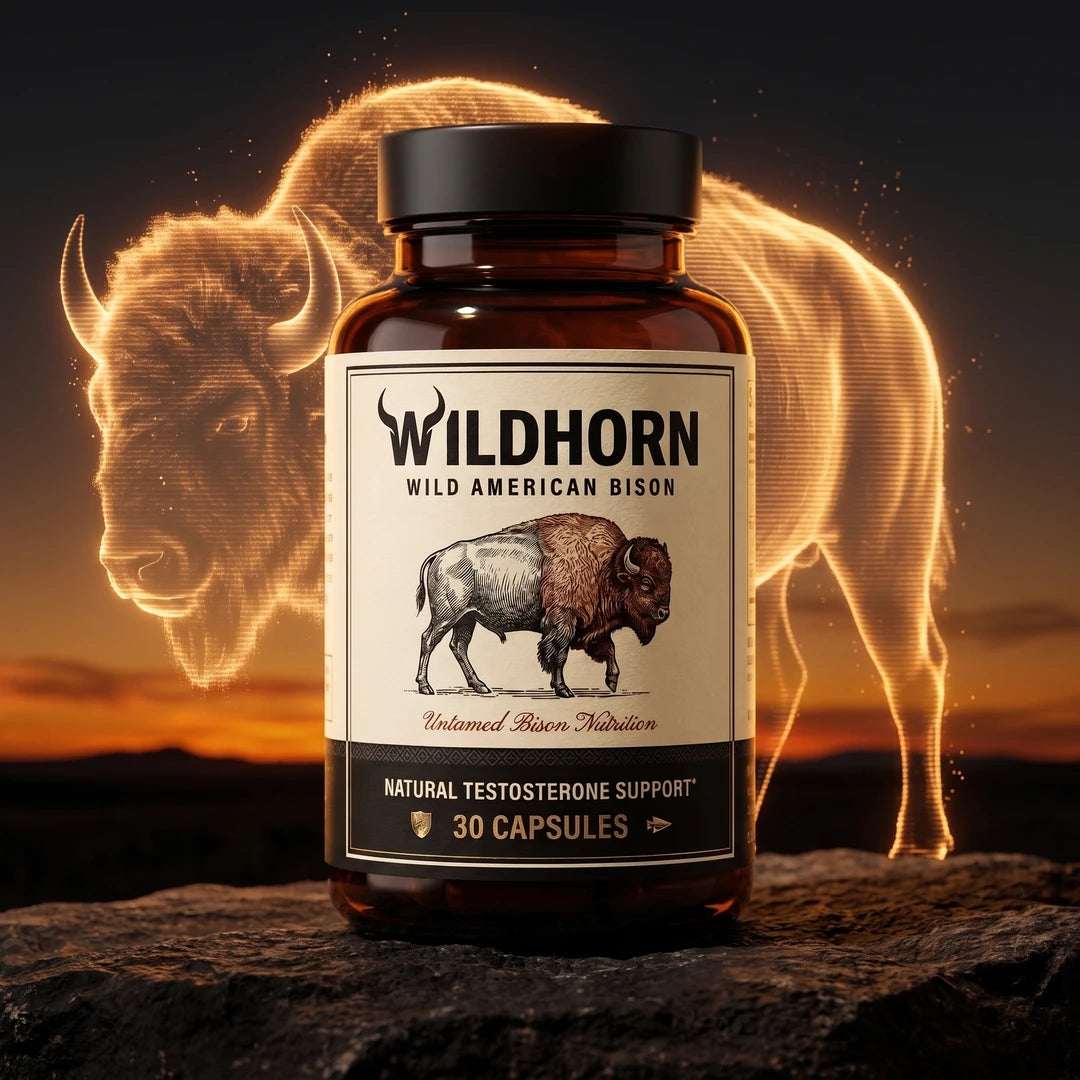
Our Wild Bison testosterone support formula uses fenugreek standardized for furostanolic saponins, with all ingredient weights listed individually on the label. No hidden blends. Men over 45 deserve to know exactly what they're taking and at what dose.
Neither herb replaces the fundamentals: consistent strength training, adequate sleep, enough protein, and managing body fat. Get those right first. If your foundation is solid and you want to support what your body is already producing, the evidence says fenugreek is the herb to start with. Tribulus can stay on the shelf.
Frequently asked questions
Does fenugreek actually raise testosterone?
Well-designed human trials suggest standardized fenugreek extract can help support free testosterone levels already within a normal range. The effect is modest and appears most consistently in men who combine supplementation with resistance training. Raw fenugreek seed powder, which is cheaper and more common in lower-cost supplements, has far less supporting data.
Why do so many supplements still include tribulus if the human evidence is weak?
Tribulus has decades of marketing momentum, it's inexpensive, and the animal research looks genuinely interesting. The disconnect between animal and human data is real, but that hasn't slowed its appearance in formulas. Always check whether a supplement lists individual ingredient weights so you can see if tribulus is present at a meaningful dose or just a token amount.
Can I take fenugreek and tribulus together?
Both are considered safe for healthy adults at standard doses. Some formulas combine them. If you go that route, verify that each ingredient is present at amounts close to those studied in clinical trials, not just token inclusions in a proprietary blend where neither reaches an effective threshold.
How long does fenugreek take to show results?
The positive human trials ran for 8 to 12 weeks. Don't expect meaningful changes in two or three weeks. Supporting testosterone levels already within a normal range is a gradual process. Give it two to three months of consistent daily use before drawing conclusions.
Are there supplements with stronger evidence than fenugreek or tribulus?
Zinc and vitamin D both have solid evidence for supporting testosterone levels already within a normal range, especially in men who are deficient in either nutrient. Ashwagandha has emerging data as well. Fenugreek stacks reasonably alongside both. Tribulus is harder to justify when better-supported options are available.
These statements have not been evaluated by the Food and Drug Administration. This product is not intended to diagnose, treat, cure, or prevent any disease.
Written by The Wildhorn Desk, Men's Health Editor.