How Alcohol Affects Your Testosterone Production
8 min read
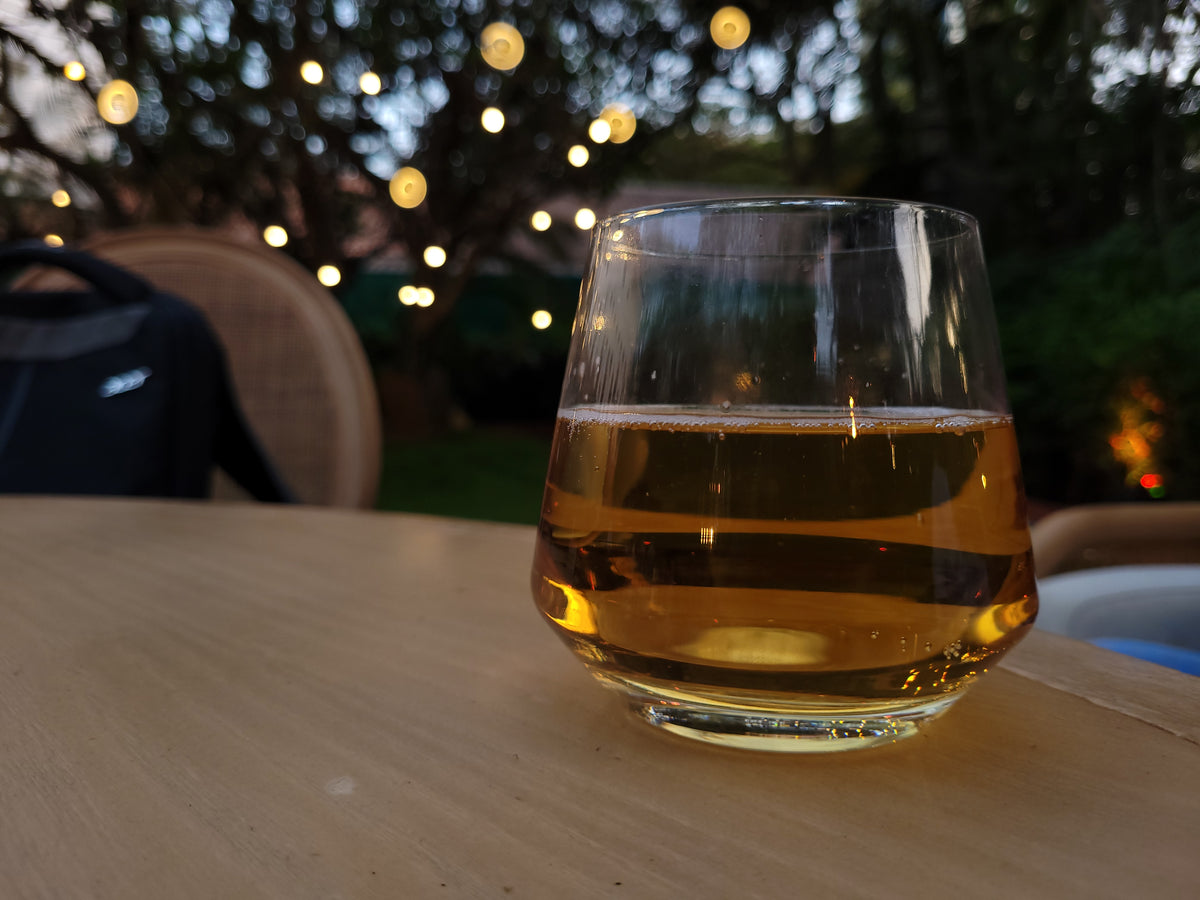
Alcohol suppresses testosterone through at least three distinct mechanisms: it directly damages the Leydig cells that produce testosterone, it raises cortisol which disrupts luteinizing hormone signaling, and it depletes zinc and B vitamins that are essential cofactors in steroidogenesis. Even moderate drinking can measurably affect levels within hours.
What Leydig Cells Do and Why Ethanol Targets Them
Leydig cells live in the testes. They are the primary factory for testosterone in men, converting cholesterol into testosterone through a chain of enzymatic reactions. When everything is working, your pituitary releases luteinizing hormone (LH), which signals those Leydig cells to ramp up production.
Ethanol has a direct toxic relationship with this process. Acetaldehyde, the primary metabolite of ethanol, disrupts the activity of 3-beta-hydroxysteroid dehydrogenase, a key enzyme in the testosterone synthesis pathway. Less enzyme activity means less testosterone produced, even if your LH signal is still firing normally.
This is worth sitting with. The problem is not just the hormonal signal failing. The production machinery itself gets impaired. That distinction matters when you are trying to understand why chronic drinking has compounding effects that take months to reverse, and why waiting a day after a heavy night does not fully clear the impact.
The Dose-Response Relationship Men Should Know
Not all drinking is equal. The research tells a more specific story than most men assume.
A single episode of heavy drinking, defined in most studies as reaching a blood alcohol concentration of 0.08% or higher, can suppress serum testosterone by 20 to 25 percent within 30 to 90 minutes of peak intoxication. Levels can stay suppressed for up to 24 hours. This is an acute effect, measurable in healthy adult men with testosterone already within a normal range before drinking.
Moderate drinking, roughly one to two standard drinks per day, shows a smaller effect in short-term research. But that word moderate needs context. Most men metabolize about one standard drink per hour. Staying within that window limits acute hormonal disruption. Chronic daily drinking at even this level, however, has been linked to lower baseline testosterone in population-scale studies.
Light drinking, fewer than seven standard drinks per week, shows the most inconsistent signal. Some research finds no meaningful effect on men with testosterone already within a normal range. Others show minor fluctuations within the normal range of daily hormonal variation. At this level, alcohol is rarely the dominant variable, assuming sleep, stress, and diet are otherwise solid.
Heavy chronic use is the clearest category. Men who drink heavily over years show measurably lower LH levels, impaired Leydig cell function, and in some research, reduced testicular volume. Recovery after stopping can take six to twelve months and is not always complete.
Cortisol Is the Mechanism Nobody Talks About
Here is a pathway that gets left out of most articles on this topic.
Alcohol is a stressor on multiple organ systems. Your body responds by activating the hypothalamic-pituitary-adrenal (HPA) axis and releasing cortisol. Normal acute stress response. The problem is what cortisol does to testosterone.
Cortisol and testosterone share a competitive relationship at the level of raw materials and hormonal signaling. When cortisol runs high, the body deprioritizes testosterone synthesis. Specifically, high cortisol suppresses the pulsatile release of GnRH from the hypothalamus, which reduces LH output from the pituitary, which reduces the signal reaching Leydig cells.
Alcohol raises cortisol, and cortisol tells the brain to slow testosterone production. This compounds with the direct Leydig cell damage already described. You get two mechanisms running in parallel from a single night out. If you are already carrying high baseline cortisol from work stress or poor sleep, the hormonal cost of drinking is higher than it would otherwise be. The mechanisms stack.
Sleep Is Where the Production Cost Gets Highest
Most testosterone is produced during sleep, specifically during slow-wave sleep in the early part of the night. This is not a minor detail. Research published in the Journal of the American Medical Association found that restricting sleep to five hours per night for one week reduced testosterone by 10 to 15 percent in healthy young men with levels already within a normal range.
Alcohol disrupts sleep architecture in a predictable pattern. It sedates you initially and shortens the time it takes to fall asleep. Then, as it metabolizes in the second half of the night, it fragments sleep: fewer slow-wave cycles, less REM, more micro-awakenings. You can be in bed for eight hours and have spent far less time in the stages where testosterone production actually happens.
Chronotype matters here. Men who naturally sleep later and drink late at night are stacking two disruptions: the alcohol-driven fragmentation and a shifted sleep window that already moves their production cycle later. Getting drinking done earlier in the evening, counterintuitive as it sounds, gives your body more time to metabolize before your critical slow-wave window opens.
Week over week, this adds up. Fatigue and lower motivation often show up long before any hormonal data does. The alcohol-sleep-testosterone connection is one of the most direct and underappreciated variables in men's long-term health.
Zinc, B Vitamins, and What Alcohol Depletes
Alcohol is a diuretic and it interferes with nutrient absorption in the gut. Two specific nutrients matter most for testosterone production.
Zinc is directly involved in testosterone synthesis and helps regulate aromatase, the enzyme that converts testosterone to estrogen. Men whose zinc intake falls short of adequate levels tend to have lower testosterone, independent of other variables. Alcohol increases urinary zinc excretion substantially. Heavy drinkers are frequently zinc-deficient as a result.
B vitamins, particularly B6 and B12, support the enzymatic processes in steroidogenesis and help maintain healthy homocysteine levels, which are linked to normal hormonal signaling. Alcohol depletes B vitamins through reduced gut absorption, faster metabolism, and direct interference with folate cycling.
The practical point: if your diet already covers zinc and B vitamins through beef, eggs, oysters, and leafy greens, occasional moderate drinking is much less disruptive to your hormonal baseline. If your diet is already thin on those nutrients, even moderate alcohol intake pushes you further into deficit and amplifies the other mechanisms described above.
What You Can Actually Do About It
Reduction beats perfection as a strategy. Moving from heavy to moderate drinking shows measurable hormonal recovery in most research within 90 days. Abstinence shows more complete recovery. The realistic lever for most men is frequency and quantity, not an all-or-nothing decision.
Sleep protection gives the highest return. If you drink, avoiding alcohol in the three hours before bed limits the second-half sleep fragmentation that cuts into testosterone production. Eating food alongside drinks also slows gastric absorption and moderates the cortisol spike.
Nutritional support helps close the gaps alcohol creates. Zinc from oysters, beef, and pumpkin seeds is a practical starting point. B vitamins from eggs, meat, and leafy greens support the enzymatic chain directly. Consistent training, even moderate, helps maintain insulin sensitivity and body composition, both of which support healthy hormonal signaling already within a normal range.
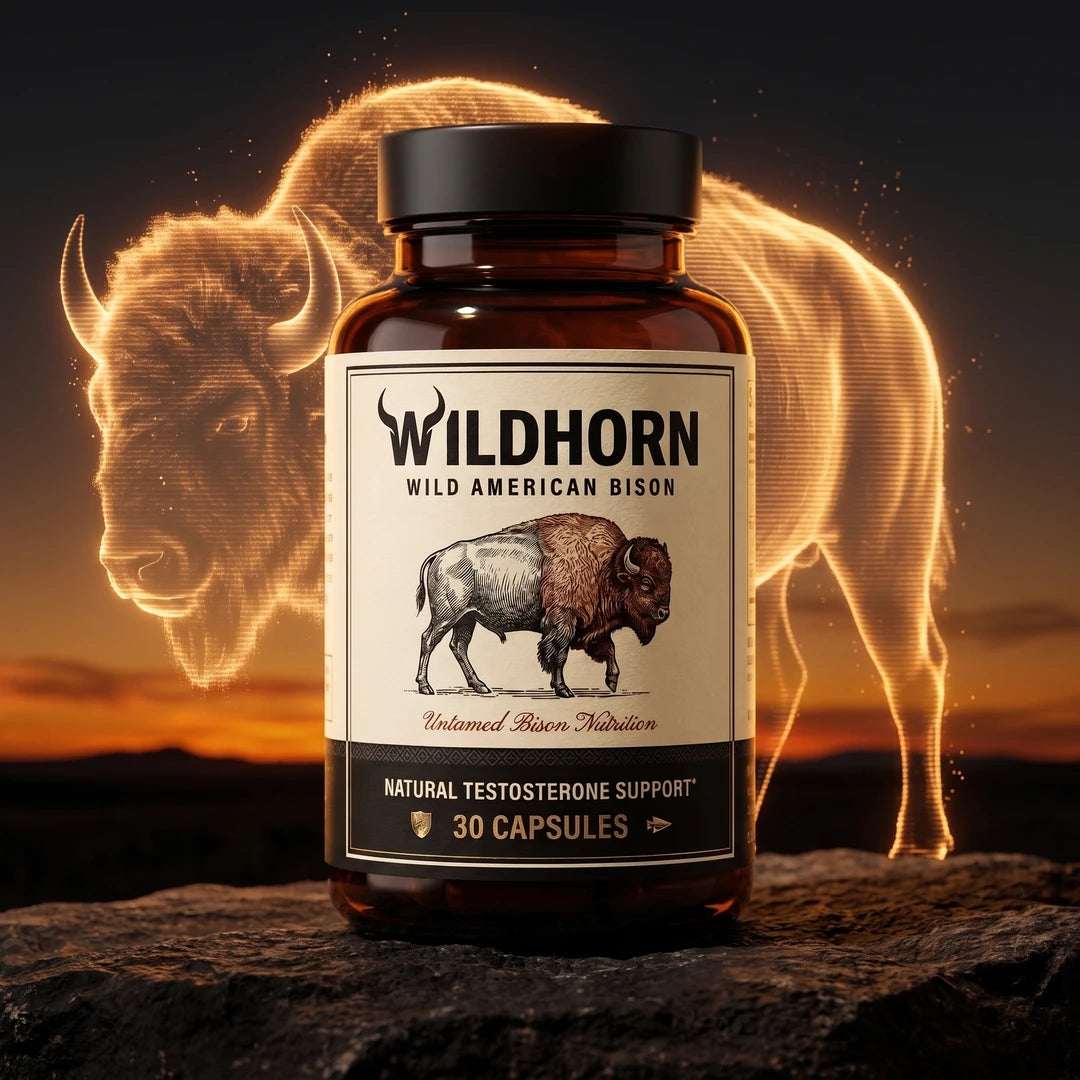
For men who want to actively support their body's natural testosterone production, we formulated the Wild Bison testosterone support blend with ingredients that address several of these same pathways: bioavailable zinc, adaptogens that help the body manage cortisol already within a normal range, and botanicals with a solid track record in men's health research. Customers often ask us whether a supplement can offset what drinking takes from you hormonally. It cannot. Sleep and reduced alcohol intake are irreplaceable. But if you are already doing that work, solid nutritional support fills the gaps that diet alone may not cover.
A Practical Framework for Men 45 and Up
One or two drinks on a weekend, eaten with food, a few hours before bed, with a diet that covers zinc and B vitamins? The hormonal impact is small and recoverable for most men. Three or more drinks, regularly, late at night, with an already thin diet? That pattern compounds week over week and tends to show up in how you feel before it shows up in a blood panel.
Men in their 40s and 50s are rarely dealing with one cause. It is usually a stack: sleep quality, training frequency, stress load, body composition, alcohol pattern. Alcohol is one variable you can measure and adjust without a clinic visit or a prescription. That matters.
The National Institute on Alcohol Abuse and Alcoholism has detailed resources on how alcohol affects the endocrine system if you want to go deeper on the mechanism research. Worth reading if you want the full picture beyond what an article can cover.
The goal is not zero. The goal is informed. Know what a drink costs you hormonally and make the call with that information in hand.
Frequently asked questions
How quickly does alcohol lower testosterone?
Peak suppression typically occurs within 30 to 90 minutes of reaching maximum blood alcohol concentration. Levels can remain below their pre-drinking baseline for up to 24 hours after a heavy session. Light to moderate drinking produces a smaller, shorter-lived effect that resolves faster.
Does beer affect testosterone differently than spirits?
The primary factor is total ethanol consumed, not beverage type. Beer does contain phytoestrogens from hops, including a compound called 8-prenylnaringenin, which some research suggests may have a mild additive effect on hormonal balance at high intake levels. The ethanol itself remains the dominant variable across all beverage types.
Can testosterone levels recover if I stop drinking?
Yes, in most cases. Men who reduce or stop heavy drinking typically see testosterone levels begin to recover within 30 to 90 days. Full recovery of Leydig cell function after years of heavy use can take six to twelve months, and individual outcomes vary based on baseline health, age, and how long the pattern continued.
Does alcohol affect testosterone the same way in men over 50?
The mechanisms are the same, but the enzymatic processes involved in testosterone synthesis can be less resilient with age. Recovery may take longer, and the effects of alcohol-driven sleep disruption tend to be more pronounced in older men. Nutritional support and sleep protection become more important as a practical matter, not less.
What nutrients support natural testosterone production?
Zinc is the most evidence-backed nutrient for men whose dietary intake falls short of adequate levels. Ashwagandha has been studied for its role in helping the body maintain healthy cortisol already within a normal range, which supports the HPA-HPG axis indirectly. Vitamin D plays a role in steroidogenesis for men with adequate overall nutrition. None of these replace sleep and alcohol reduction, but they address the same nutritional pathways.
These statements have not been evaluated by the Food and Drug Administration. This product is not intended to diagnose, treat, cure, or prevent any disease.
Written by The Wildhorn Desk, Men's Health Editor.