How to Read an Organ Supplement Label Like an Expert
9 min read
Check the serving size first. Then confirm the organ source is named specifically, with country of origin. Look for freeze-drying on the label, not just 'desiccated.' Find a recognized third-party testing mark. Scan the Other Ingredients line for fillers. Five checkpoints, ninety seconds, much better buying decisions.
Start With the Serving Size, Not the Front Panel
Most men flip a supplement bottle over and read the front first. Wrong move. The back panel is where the real story lives, and serving size is the first number that matters.
Here is the problem. A company can list 500 mg of a proprietary organ blend and call it a generous dose. But if that blend contains six organs split evenly across 500 mg, each one lands at roughly 83 mg per capsule. Many researchers studying organ concentrates reference daily intakes of 1,000 mg or more of a single tissue type. The math is not optional.
Look at capsules per serving too. Two capsules labeled as one serving is standard. If the bottle holds 60 capsules and the serving is two, you have a 30-day supply, not 60 days. Easy to miss when a label is covered in graphics and marketing copy.
Customers often ask us why our capsule count looks lower than competitors. The answer is density: more organ tissue per capsule rather than stretching a weak dose across four or five pills. Neither design is automatically better, but compare total organ tissue per day across products, not pill counts.
The daily total is what matters. If a formula is intended to help maintain healthy vitality already within a normal range, you need enough tissue per serving to be meaningful. Calculate that number first, before anything on the front of the bottle catches your eye.
What Grass-Fed Actually Means on a Label
The phrase grass-fed appears on a lot of organ supplement labels. It is not a legally standardized term the way USDA Organic is. In practice, it ranges from cattle that spend their entire lives on open pasture to cattle that received only a small percentage of grass forage before a grain-heavy feedlot finish.
What to look for instead: a country of origin paired with a specific sourcing claim. New Zealand and Argentina have served as quality benchmarks in the organ supplement space because their beef industries are predominantly pasture-based by structure, not just by marketing. Their regulatory frameworks require cattle to graze year-round. The nutrient profile of liver, kidney, and heart tissue shifts based on what the animal ate and how it lived. USDA FoodData Central publishes nutrient comparisons across beef tissue types you can review directly.
The label should name each organ. Bovine glandular is vague. Bovine liver, bovine heart, and bovine testis are specific. If a label groups multiple organs into a single unnamed blend, that is a yellow flag. You cannot evaluate a dose you cannot identify.
For organ formulas designed to support healthy testosterone levels already within a normal range, testis and prostate tissue are often included alongside liver and heart. Each should appear as a named line item on the Supplement Facts panel, with milligrams listed per organ individually, not rolled into one combined number.
Freeze-Dried vs. Desiccated: The Method That Changes the Product
You will see desiccated on many organ supplement labels. It means dried. That is all it means. The word tells you nothing about the temperature used, and temperature is where products diverge in quality.
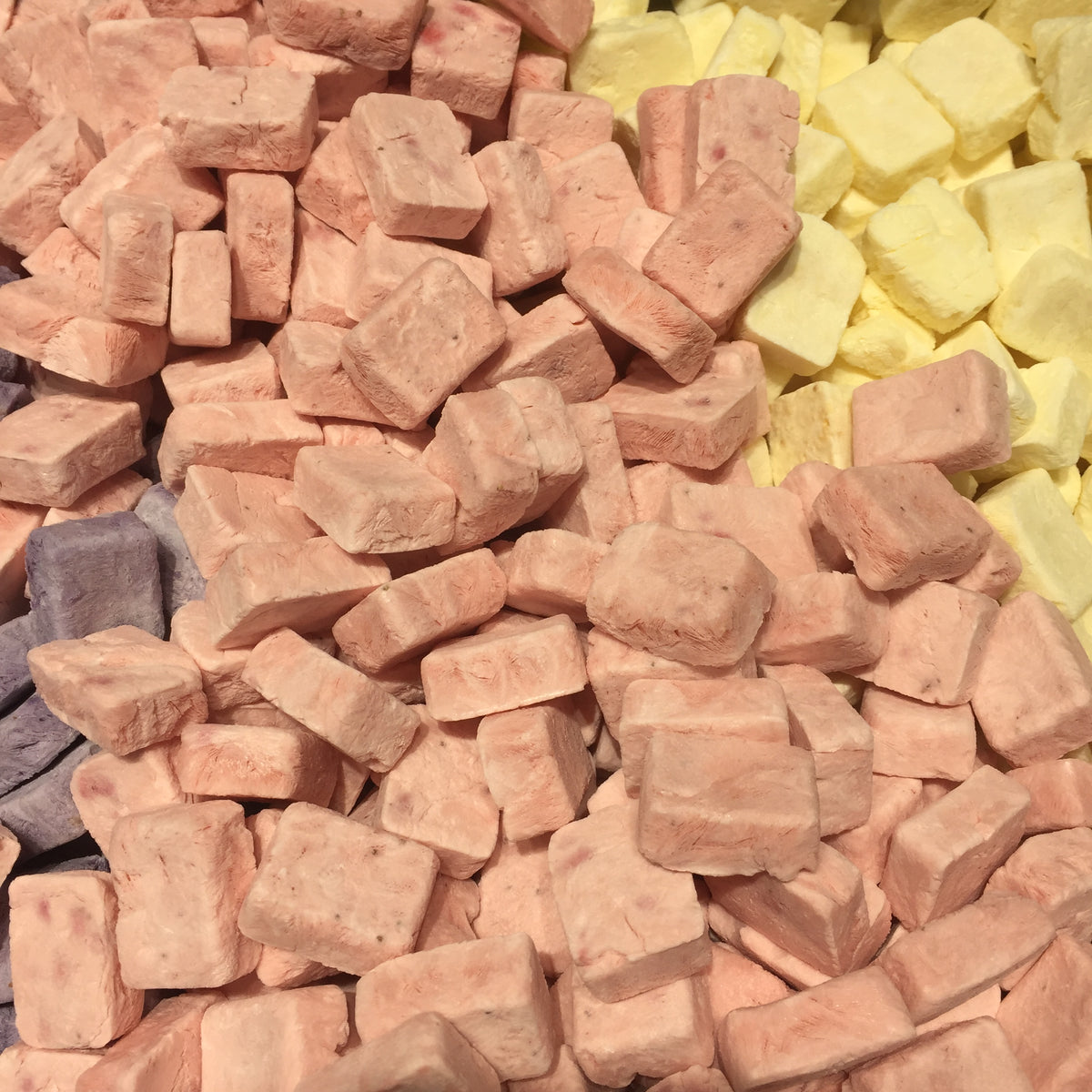
Freeze-drying removes moisture at low temperatures, typically between -40 and -50 degrees Celsius under vacuum. The process preserves heat-sensitive compounds that break down during conventional spray-drying or oven-drying, which can reach temperatures above 150 degrees Celsius. Fat-soluble vitamins naturally concentrated in organ meats, particularly liver, are better retained through low-temperature processing. The NIH Office of Dietary Supplements documents the density of preformed Vitamin A in liver, which gives you a sense of what is at stake in how that tissue is handled after harvest.
A label that says freeze-dried is making a specific, verifiable manufacturing claim. A label that says only desiccated may be using a cheaper heat-based method. If the label is silent on this point, request a certificate of analysis that includes processing method disclosure before buying.
The physical texture of freeze-dried organ powder also differs. It is lighter, less oxidized-smelling, and reconstitutes cleanly if you open a capsule. These are not rigorous laboratory tests, but they are observable signals you can use when production documentation is not immediately available.
Third-Party Testing: Which Marks Actually Mean Something
Third-party testing means an independent organization with no financial stake in the supplement company ran tests on the product. That testing can cover identity verification (does the product contain what the label says?), purity screening for heavy metals, pesticides, and microbial contamination, and potency confirmation that the labeled dose is accurate within an acceptable margin.
Not all testing marks carry equal weight. NSF International, Informed Sport, and USP operate published protocols with facility audits and public registries of certified products. A company printing its own tested-for-purity badge in-house is a marketing decision, not a third-party credential. These two things are not interchangeable.
For organ supplements, heavy metal screening is the most critical test. Organ meats, particularly liver and kidney, can bioaccumulate metals when source animals are raised in contaminated environments. A legitimate certificate of analysis will include results for lead, mercury, arsenic, and cadmium, each with specific detection limits and clear pass/fail designations against established reference standards.
Check the COA date. A certificate from three years ago does not apply to the bottle in your hand. Batch-to-batch variation is real. Current means within the last 12 months, tied to a lot number that matches your product. Reputable manufacturers post COAs publicly or provide them on request within one business day. Silence on this question is itself an answer.
The Other Ingredients Line: Where Fillers Quietly Accumulate
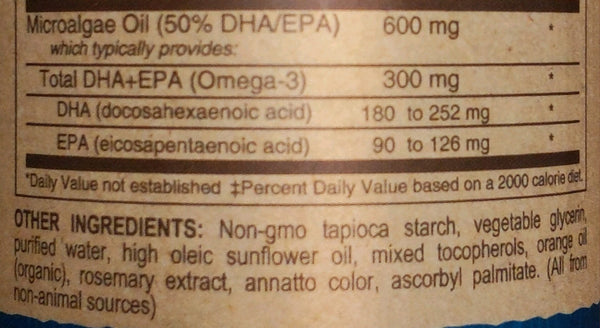
Flip to the bottom of the Supplement Facts panel. Below the nutrient table is the Other Ingredients list. Short lists are better. Full stop.
Common legitimate components include bovine gelatin for the capsule shell, ascorbic acid as a natural stabilizer, and rice flour as a flow agent. None of these raise concern at the amounts used in a standard two-capsule serving.
What to flag: magnesium stearate listed early in the Other Ingredients (indicating higher concentration), silicon dioxide used as a primary filler rather than a trace anti-caking agent, artificial colors in any quantity, and natural flavors listed in an unflavored capsule product, which usually signals something is being masked.
Proprietary blends in the Other Ingredients section warrant scrutiny. A company protecting a formula is a different matter from a company obscuring what it uses to fill the capsule. One reflects competitive business practice. The other does not.
A clean organ supplement has a short Other Ingredients line: the capsule material and perhaps one stabilizer. Four ingredients or fewer is the standard we aim for in our formula. More than eight on that line should prompt specific questions before you commit to a purchase.
A Five-Point Label Check You Can Run in 90 Seconds
Run this check the next time you evaluate an organ supplement:
- Serving size math: Calculate total organ tissue per day by multiplying mg per capsule times capsules per serving. Compare that number across brands, not total pills per bottle.
- Source specificity: Country of origin plus a pasture-raised claim plus individual organ names listed separately. All three should appear.
- Processing method: Freeze-dried or lyophilized should appear explicitly on the label. Desiccated alone does not tell you enough.
- Testing credential: NSF, Informed Sport, USP, or a COA available on request with a dated heavy metal screening panel.
- Other Ingredients count: Four or fewer is a clean baseline. More than eight is worth a closer look before purchasing.
Ninety seconds per bottle once this becomes habit. Run it on every new purchase, including brands you have used before. Formulas change without announcement, and the label you evaluated 18 months ago may not match what is inside the current batch.
Most organ supplements on the market pass two or three of these checkpoints and gloss over the rest. Knowing what to look for makes those gaps visible immediately.
What a Label That Passes All Five Checks Looks Like
The Supplement Facts panel should show named organs with individual milligram amounts: bovine liver 750 mg, bovine heart 250 mg, bovine testis 250 mg, bovine prostate 100 mg, as a representative example. Not a proprietary organ blend of 1,350 mg. The named version gives you data. The blend version gives you nothing useful.
The label should state the country of origin as readable text. New Zealand grass-fed or Argentine pasture-raised, with the country clearly visible, not just a flag icon. Grass-fed with no geography is incomplete sourcing information.
The processing claim should use freeze-dried or lyophilized directly on the front panel or in the Supplement Facts header. Companies that invest in this method at higher cost are proud of it. They say so clearly and put it where you can find it.
The Other Ingredients line should be short enough to read in a single breath. Bovine gelatin (capsule), ascorbic acid. That is a clean benchmark.
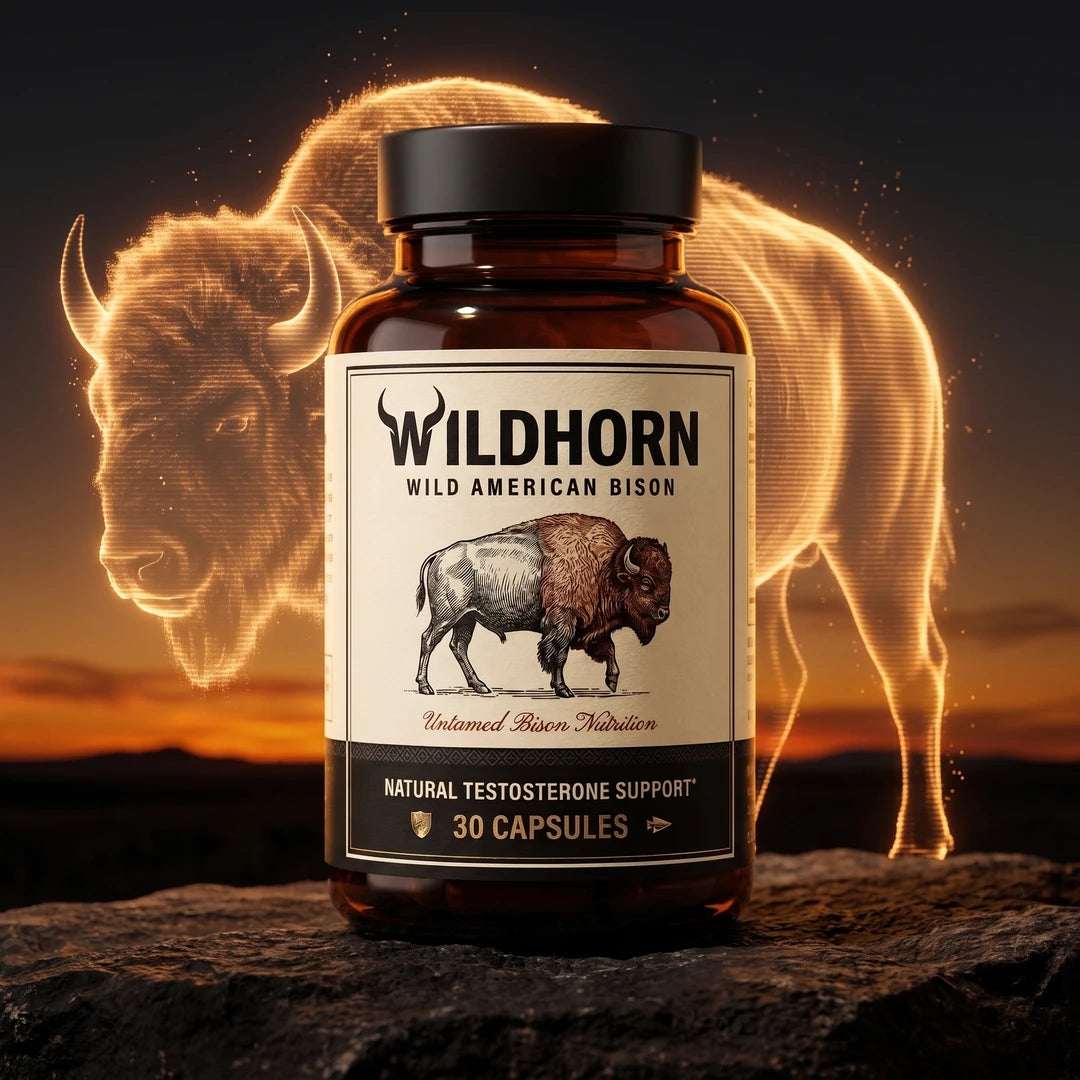
If you want to see what this structure looks like applied to a formula built to support healthy testosterone levels already within a normal range, the Wild Bison organ supplement meets each of these criteria. New Zealand grass-fed source, freeze-dried processing, each organ named with its own milligram count, COA available on request. The label reads exactly as described here.
Frequently asked questions
What is the difference between freeze-dried and desiccated organ supplements?
Freeze-drying removes moisture at low temperatures, typically -40 to -50 degrees Celsius under vacuum, preserving heat-sensitive compounds. Desiccated simply means dried and says nothing about the temperature used. Conventional heat-drying can exceed 150 degrees Celsius, which degrades certain nutrients naturally present in organ tissue. Look for freeze-dried or lyophilized specifically on the label, not just desiccated.
How many milligrams of organ tissue per day should I look for?
For a multi-organ formula designed to help maintain healthy energy and vitality already within a normal range, quality products typically provide 1,000 to 3,000 mg of total named organ tissue per daily serving. Calculate this by multiplying mg per capsule times the number of capsules in your daily serving. Compare that number across products, not the total pill count per bottle.
Why does the country of origin matter for organ supplements?
Country of origin signals the regulatory environment and typical production practices for the source cattle. New Zealand and Argentina are considered benchmarks because their industries are predominantly pasture-based by regulatory requirement, not just by marketing. The nutrient profile of organ tissue reflects how the animal lived, so source country is a meaningful quality signal when evaluating a label.
What should a valid certificate of analysis include for an organ supplement?
A legitimate COA should cover identity confirmation that the product matches the label, purity screening with results for lead, mercury, arsenic, and cadmium showing specific detection limits and pass/fail designations, and potency verification that the labeled dose is accurate within an acceptable range. It should be dated within the last 12 months and tied to a specific lot number matching your product.
Which additives in organ supplements are worth avoiding?
Check the Other Ingredients line. Common acceptable components include bovine gelatin for the capsule shell, ascorbic acid, and rice flour. Flag magnesium stearate listed prominently, silicon dioxide as a primary filler, artificial colors, and natural flavors in an unflavored capsule product. Four or fewer ingredients on that line is a solid, clean benchmark.
These statements have not been evaluated by the Food and Drug Administration. This product is not intended to diagnose, treat, cure, or prevent any disease.
Written by The Wildhorn Desk, Men's Health Editor.