How Iron Supports Oxygen Delivery and Physical Stamina
9 min read
Iron sits at the center of hemoglobin, the protein that loads oxygen in your lungs and delivers it to working muscle. Without adequate iron status, aerobic output drops. Heme iron, the form found in red meat and bison, absorbs two to three times better than plant-based iron sources.
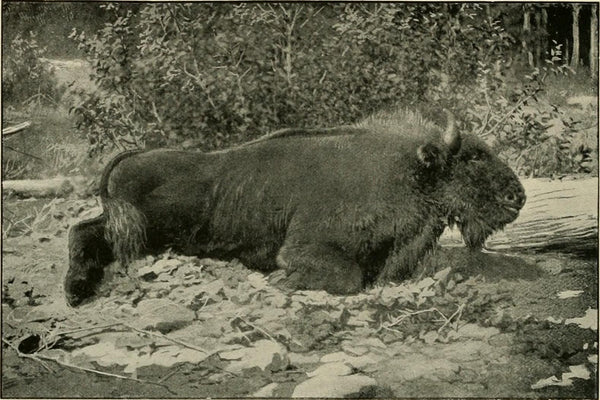
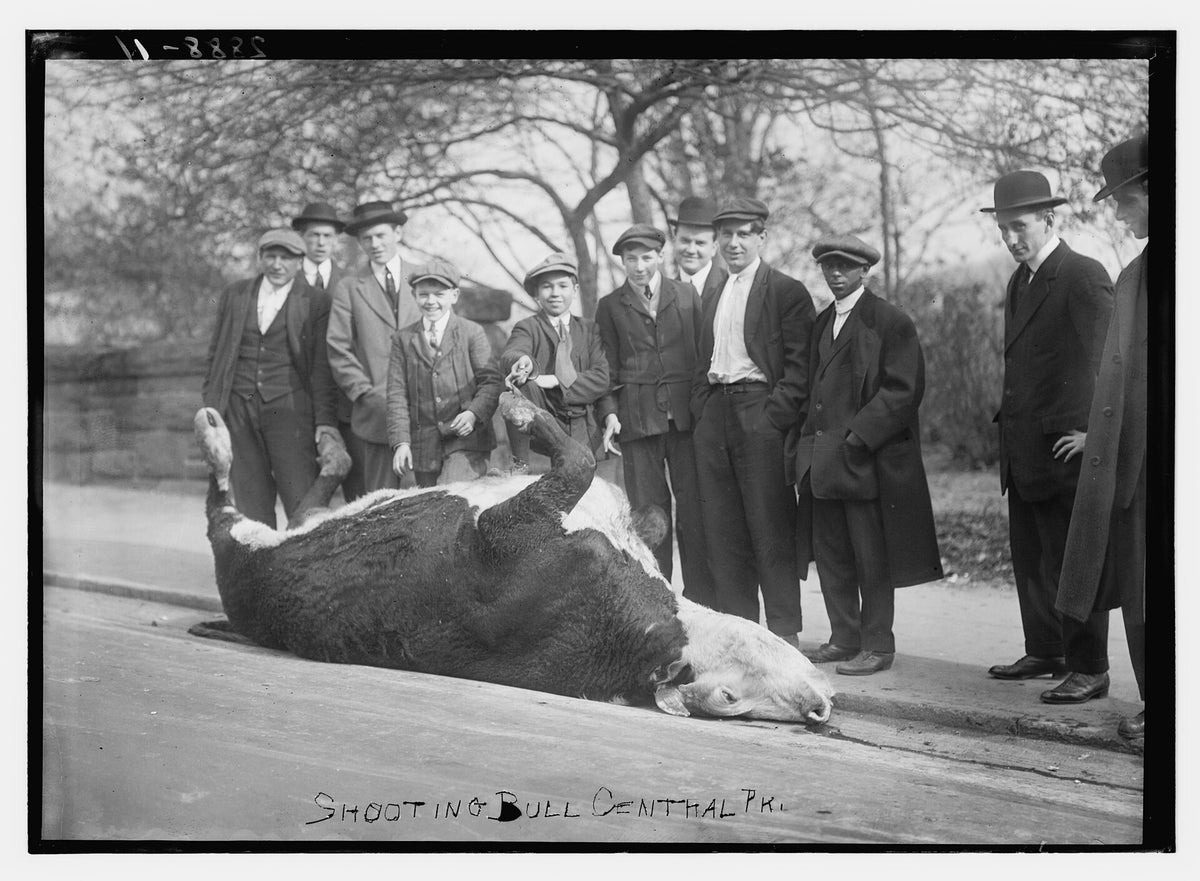
Bain News Service, publisher / Public domain / via Wikimedia Commons
Why Iron Is Central to Oxygen Transport
Iron has one job that nothing else can replicate. It sits inside hemoglobin, the protein packed into red blood cells, and binds oxygen in the lungs. Four iron atoms per hemoglobin molecule. Around 270 million hemoglobin molecules per red blood cell. Your entire aerobic system runs through that delivery chain.
When oxygenated blood reaches active muscle, iron releases that oxygen for use in energy production. From breathing to muscle contraction, every step depends on this mechanism working at full capacity. Adequate iron status keeps that chain intact.
Myoglobin, the oxygen-storage protein inside muscle fibers, also relies on iron. It acts as a short-term oxygen reserve during intense effort, bridging the gap between what blood delivers and what muscle demands in the moment. Both proteins need sufficient iron to support their function at full potential.
Iron also participates in the electron transport chain, the aerobic pathway inside mitochondria that produces ATP. Iron-sulfur clusters carry electrons through this system. So iron supports oxygen delivery at the cellular level, not just the circulatory level. The scope of its role in aerobic function is broader than most men realize.
Heme Iron Absorbs Up to Three Times Better Than Plant Iron
Not all dietary iron works the same way. Heme iron, found in animal muscle tissue like beef and bison, is bound inside a protoporphyrin ring structure that your gut absorbs directly. Bioavailability estimates range from 15% to 35% depending on the individual and the meal context.
Non-heme iron, from plant foods and fortified cereals, requires conversion before it can cross the intestinal wall. It also competes with calcium, phytates in grains, and polyphenols in tea and coffee for the same intestinal transporter. Absorption rates for non-heme iron run between 2% and 12%. That is not a rounding error.
A review in the NIH StatPearls database summarized heme iron bioavailability as roughly two to three times that of non-heme iron under typical dietary conditions. For men who rely primarily on plant foods for iron, this math means they need substantially higher dietary intake to match the absorbed iron from a smaller serving of meat.
Cooking method matters too. Medium-cooked bison and beef retain more heme iron than well-done preparations. Grass-fed bison provides roughly 2.4 to 2.8 mg of iron per 100 grams of cooked meat, comparable to lean beef, with a cleaner fatty acid profile.
Iron Status and Aerobic Capacity: What Active Men Need to Know
The relationship between adequate iron and aerobic performance has been studied for decades. Men with ferritin and hemoglobin values already within a normal range tend to show higher VO2 max scores, better lactate threshold performance, and faster recovery between hard training sessions compared to men sitting at the low end of normal.
Customers often ask us why their endurance has slipped even though training volume and sleep quality have not changed. Iron status is one of the first variables worth checking. A standard hemoglobin test misses early-stage iron depletion. Ferritin, which reflects stored iron, is a more sensitive indicator. Most sports medicine clinicians consider ferritin below 30 ng/mL suboptimal for active adults, even when hemoglobin is technically in range.
This matters because iron depletion follows a predictable sequence. Stores deplete first, ferritin drops, transport iron decreases, and hemoglobin falls last. By the time hemoglobin changes, the functional impact on aerobic output has already been building for weeks.
Iron also plays a role in cognitive performance and immune function, both of which can decline before obvious physical symptoms appear. Supporting adequate iron status reaches further than gym performance alone.
How Much Iron Do Active Men Actually Need
The Recommended Dietary Allowance for iron in adult men is 8 mg per day. That is the minimum to avoid deficiency in sedentary adults, not a performance target for men who train regularly.
Men doing high-volume endurance work have higher iron demands. Foot-strike hemolysis (the mechanical breakdown of red blood cells during running) increases red blood cell turnover. Sweat losses add a small but consistent drain over time. Distance runners and cyclists show higher rates of low ferritin than sedentary controls across multiple published studies.
The tolerable upper intake level for iron is 45 mg per day for adults. Supplementing without a blood panel first is not advisable because excess iron accumulates in tissue and can promote oxidative stress. Genetic iron overload conditions affect roughly 1 in 200 people of Northern European descent, and most of them are unaware. For most men, the smarter path is optimizing dietary heme iron intake first and supplementing only when a panel confirms a need.
If you are over 50 and eating red meat two to three times per week, your iron status may already be adequate. A ferritin test costs less than $50 out of pocket and gives you the data to make an informed decision instead of guessing.
Why Bison Delivers Heme Iron in a Useful Nutritional Context
Wild bison is a lean red meat with a practical iron profile. A 3.5-ounce serving of cooked ground bison provides roughly 2.5 to 3 mg of heme iron. It is also lower in total fat than most beef cuts, with a higher ratio of omega-3 to omega-6 fatty acids than grain-finished beef.
We built our formula around bison specifically because it delivers heme iron alongside zinc, vitamin B12, and naturally occurring creatine in a whole-food context. These nutrients work together. Zinc supports testosterone levels already within a normal range. B12 plays a role in red blood cell maturation. Creatine supports short-burst power output alongside aerobic capacity. The nutrient matrix in whole animal tissue is harder to replicate by stacking isolated compounds.
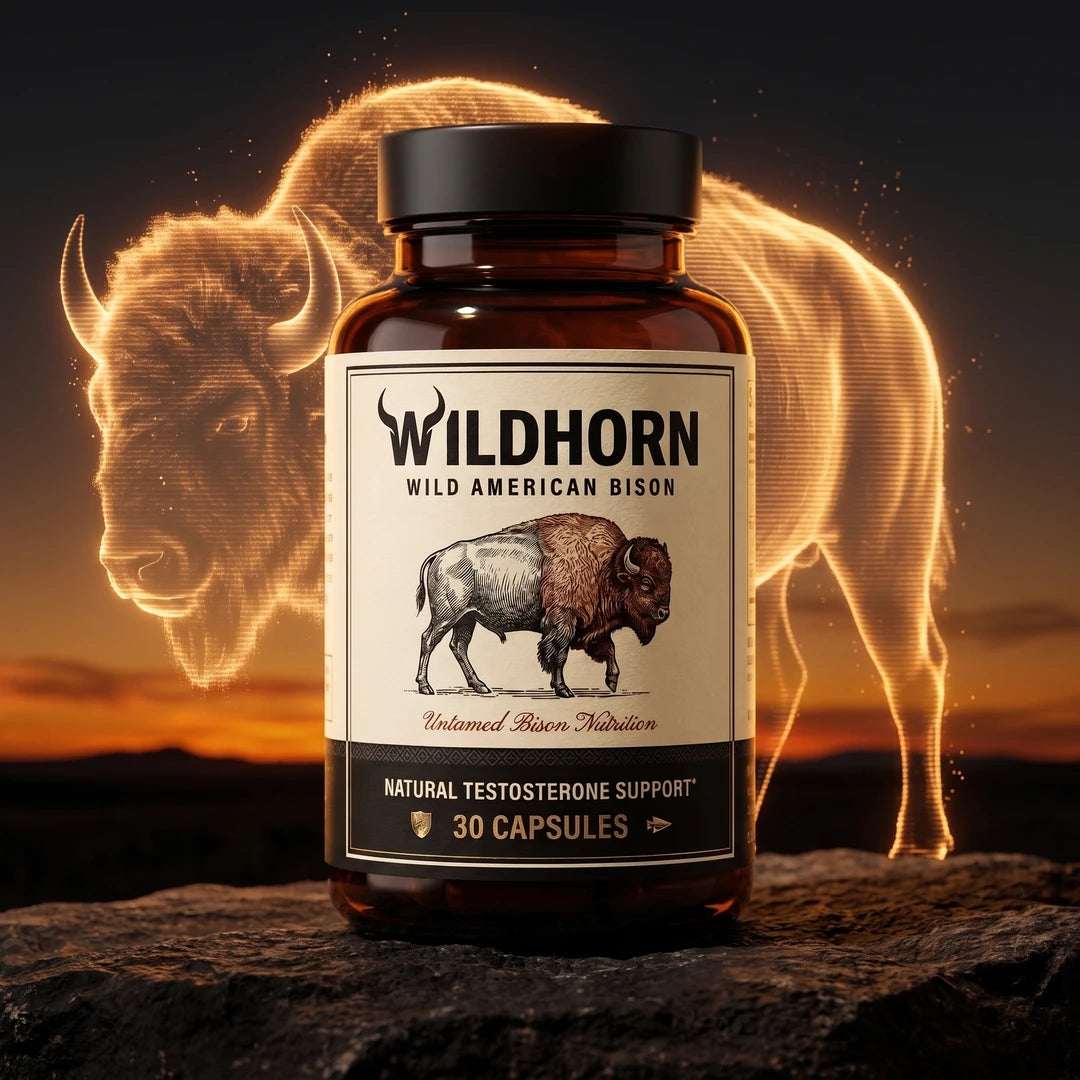
For men in their 40s, 50s, and 60s who want to maintain physical output, the Wild Bison testosterone support formula from Wildhorn delivers these co-factors in a form the body recognizes and absorbs efficiently, without fillers or unnecessary additives.
One serving covers a meaningful share of daily heme iron needs. Pair it with red meat two to three times per week and you have a solid dietary foundation for iron status.
Nutrients That Help or Compete With Iron Absorption
Iron does not work in isolation. A few key nutrients either enhance or undercut its absorption, and knowing both sides helps you get more from every meal.
Vitamin C significantly boosts non-heme iron absorption. Eating a plant-based iron source alongside a vitamin C-rich food, such as citrus, bell peppers, or strawberries, raises non-heme uptake measurably. The NIH Office of Dietary Supplements notes that ascorbic acid can increase non-heme iron absorption by as much as three to six times under controlled conditions.
Calcium competes with iron at the same intestinal transporter. Taking a calcium supplement with an iron-rich meal reduces iron uptake. This is not a reason to avoid dairy. It is a reason to space calcium supplementation away from iron-rich meals when absorption is the priority.
Coffee and tea contain tannins and polyphenols that bind non-heme iron in the gut. Waiting 30 to 60 minutes after an iron-rich meal before drinking either gives absorption time to proceed without interference. Heme iron is far less sensitive to these inhibitors. That is one practical reason animal protein sources provide a more reliable iron vehicle than fortified plant foods.
Heavy, regular alcohol intake can impair iron regulation. Moderate, occasional consumption does not appear to cause significant changes in iron status in otherwise healthy men.
A Practical Approach for Men Over 40
Iron does not get the marketing attention of creatine or testosterone support. That is a gap worth addressing. If oxygen delivery is running below its potential, most other performance interventions lose their impact.
Start with a blood panel. Ask for ferritin specifically, not just hemoglobin. Ferritin above 50 ng/mL alongside mid-range hemoglobin is a reasonable baseline. Ferritin below 30 ng/mL while training regularly means your aerobic system may not be operating at full potential, even though nothing obvious shows on a routine checkup.
Eat animal protein consistently. Two to three servings of red meat per week gives most men a solid baseline of heme iron. Bison, beef, and lamb are all practical options. Liver is the most concentrated source available. A 3-ounce serving of beef liver contains around 5 mg of iron, almost entirely in heme form.
Pay attention to absorption competitors. Separate calcium-heavy meals from your highest-iron meals. Have coffee after an iron-rich breakfast, not during it. Small adjustments, real cumulative effect over weeks and months.
If you are choosing a supplement formula, look for one that delivers iron in heme or well-chelated form alongside B12 and zinc. These nutrients support each other. A formula built around whole bison delivers that combination in a single product designed for men who train and want to maintain their physical edge past 40.
Frequently asked questions
Can men who eat red meat regularly still have low iron?
Yes. Active men can deplete iron stores through high training volume, sweat losses, and foot-strike hemolysis during running. Even men who eat red meat several times a week can sit at the low end of normal ferritin, which can affect aerobic output before hemoglobin shows any change. A ferritin test gives a clearer picture than a standard blood count alone.
Is food-based heme iron better than an over-the-counter iron supplement?
For most men, food-based heme iron is the preferred approach because it absorbs more efficiently and arrives alongside co-factors like zinc and B12. Ferrous sulfate supplements, the most common over-the-counter form, can help address low ferritin but carry a higher risk of digestive side effects. A whole-food heme iron source supports normal iron status with a lower risk profile for men who are not severely depleted.
Does iron status affect testosterone levels?
Iron plays a role in enzyme activity throughout the body, including pathways that support hormone production. Men with iron already within a normal range may show better support for overall hormonal balance. That said, iron is one factor among many. Zinc, vitamin D, sleep quality, and consistent resistance training all contribute to supporting testosterone levels already within a normal range.
How often should active men over 40 check their iron levels?
Once per year is a reasonable baseline. If you have shifted toward a plant-heavy diet or significantly increased training load, checking every six months makes sense until your levels stabilize. Ask specifically for ferritin and transferrin saturation alongside standard hemoglobin to get the complete picture of iron status.
Why does the Wild Bison formula use bison instead of beef?
Bison is leaner than most beef cuts while delivering a comparable heme iron content, along with a better omega-3 to omega-6 ratio. We chose it because the nutrient profile matches what active men in their 40s and 50s benefit from: quality heme iron, zinc, and B12 in a low-fat, high-protein matrix. Grass-fed and wild-harvested bison also brings a cleaner sourcing profile than commodity grain-finished beef.
These statements have not been evaluated by the Food and Drug Administration. This product is not intended to diagnose, treat, cure, or prevent any disease.
Written by The Wildhorn Desk, Men's Health Editor.