Why the Liver Is Called Nature's Multivitamin
8 min read
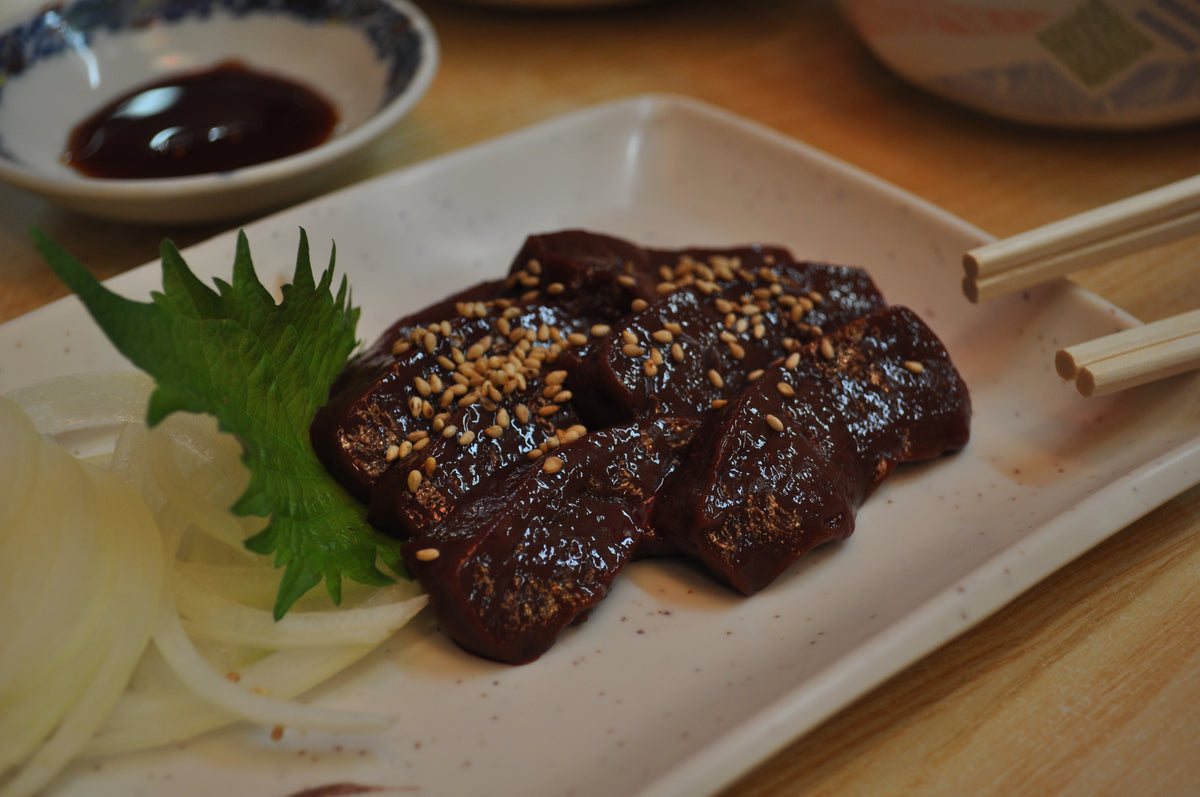
Ounce for ounce, beef liver delivers more bioavailable vitamins and minerals than any standard multivitamin pill. The difference is not just quantity. It is the whole-food matrix surrounding each nutrient that changes how your body recognizes, absorbs, and uses what you swallow.
"Beef liver sashimi" by Schellack is licensed under CC BY 3.0. To view a copy of this license, visit https://creativecommons.org/licenses/by/3.0/.
What a Standard Multivitamin Actually Gives You
Most men over 45 have taken a multivitamin at some point. The label looks impressive. Look closer at the forms.
A typical drugstore multi uses cyanocobalamin for B12, folic acid for folate, and beta-carotene for vitamin A. These are synthetic or precursor forms. Cyanocobalamin requires your body to convert it to methylcobalamin before it can do anything useful. Folic acid needs conversion to methylfolate. Beta-carotene has to become retinol before it functions as vitamin A.
Those conversions are not designed. Genetic variants in the MTHFR enzyme affect how well you convert folic acid. A common polymorphism in the BCMO1 gene can reduce beta-carotene-to-retinol conversion by up to 69 percent. So on paper you are getting 5,000 IU of vitamin A. In practice, how much retinol your body actually produces depends on genetics, gut health, and cofactors that are not in the pill.
Isolated nutrients also arrive without natural chaperones. In whole food, fat-soluble vitamins travel alongside phospholipids. Minerals arrive bound to amino acids. The pill skips all of that, delivering bare molecules your digestive tract must figure out on its own.
None of this makes multivitamins worthless. But it does raise a fair question: compared to what?
Beef Liver by the Numbers
Three ounces of beef liver (about 85 grams) contains:
- Vitamin B12: roughly 70 micrograms (approximately 2,900% of the daily value)
- Retinol, pre-formed vitamin A: around 4,968 IU
- Riboflavin (B2): approximately 2.9 mg, or 223% of daily value
- Folate as natural 5-methyltetrahydrofolate: about 212 micrograms
- Choline: approximately 356 mg, more than most dedicated choline supplements
- Zinc: about 4.5 mg
- Copper: roughly 12 mg (over 1,300% of daily value)
- Heme iron: about 5.6 mg
Compare that to a leading multivitamin: 6 to 18 mcg of B12, 400 mcg of folic acid, and 15 to 30 mg of zinc with little to no copper. Liver is not just more concentrated. It is structured differently.
Heme iron absorbs at 15 to 35 percent efficiency. Non-heme iron from supplements and plants absorbs at 2 to 20 percent. That gap between topping off your iron stores and barely moving the needle is consistent across studies. The form matters as much as the amount.
Why the Food Matrix Changes Everything
A nutrient does not exist in isolation inside a food. It arrives with co-factors, enzymes, and companion molecules that your digestive system evolved to handle.
Take B12 in liver. It is bound to proteins that get cleaved by stomach acid and intrinsic factor before absorption. That handoff is more efficient than processing free crystalline cyanocobalamin from a tablet. A study published in the American Journal of Clinical Nutrition noted that food-bound B12 absorption becomes less efficient as gastric acid declines with age, which is relevant because gastric acid production tends to fall after 50. But the nutrient still travels through the natural pathway your gut already knows.
Fat-soluble vitamins in liver arrive packaged with the fats needed to absorb them. You do not need to remember to take your supplement with a meal. The fat is already there. Zinc and copper arrive at a natural ratio of roughly 8 to 1, which mirrors the ratio the body maintains. Take high-dose zinc without copper and you risk slowly depleting copper stores over time.
Choline is another example. Liver provides it alongside phosphatidylcholine, the form your liver and cell membranes prefer. Most multivitamins include no choline at all.
That matrix is not marketing language. It is the difference between a nutrient arriving in context versus arriving alone.
Retinol vs. Beta-Carotene: Not the Same Thing
Most multivitamins list vitamin A as beta-carotene, or a blend of beta-carotene and retinyl palmitate. Beta-carotene is the orange pigment in carrots and sweet potatoes. It is a precursor. The body has to convert it to retinol before it does anything.
Conversion varies significantly. Men with a common BCMO1 gene variant convert beta-carotene to retinol at a substantially lower rate. For some individuals, even generous beta-carotene intake barely moves retinol status.
Liver contains pre-formed retinol. No conversion required.
Retinol supports healthy skin cell turnover, promotes normal immune function, and plays a role in maintaining vision under low-light conditions. All of that without any metabolic gymnastics from your body. Three ounces of beef liver provides most men with several days of pre-formed retinol in one sitting.
Because retinol is fat-soluble and accumulates in tissue, eating liver every day is not necessary or recommended. Two to three servings per week is the standard guidance among nutrition researchers.
B Vitamins: Where Liver Wins Every Comparison
The B-vitamin complex works as a team. B12, B6, folate, riboflavin, and niacin all participate in energy metabolism and the methylation cycle that supports normal DNA synthesis and cell maintenance.
Liver provides all of them in meaningful amounts, in their natural active forms. The folate in liver is 5-methyltetrahydrofolate, the form cells can use directly. Not folic acid requiring enzyme-dependent conversion. For men who carry MTHFR variants, that distinction is worth paying attention to.
B12 in beef liver sits at roughly 70 mcg per three-ounce serving. Even accounting for the fact that absorption is not 100 percent, that figure dwarfs the 6 to 18 mcg in most multivitamins. As gastric acid declines with age, getting B12 from food bound to natural proteins has a practical advantage over free crystalline forms in a tablet.
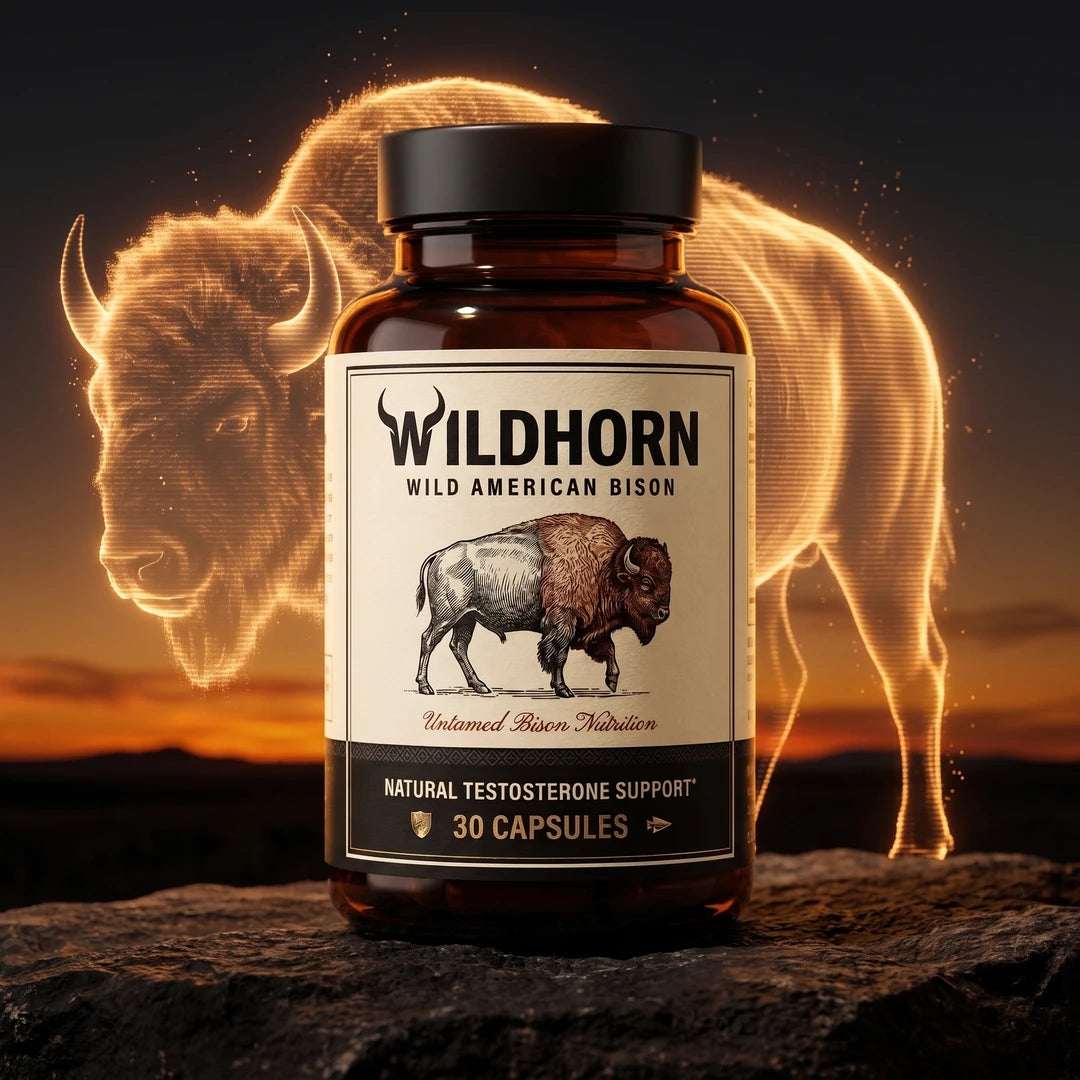
Customers often ask us why we chose desiccated organ meat as the base for the Wild Bison formula rather than a B-complex capsule. This is the short answer: the whole food does something an isolated extract does not. The cofactors arrive together, in ratios the body recognizes.
Zinc, Copper, and the Mineral Cofactors Men Often Skip
Zinc gets attention for supporting healthy immune function and helping maintain testosterone already within a normal range. Copper is the quiet partner most supplement labels undercount or omit entirely.
Liver provides both. The zinc-to-copper ratio in beef liver is close to 8 to 1, near the ratio the body maintains. Most standalone zinc supplements contain no copper. High-dose zinc taken long-term without copper can gradually deplete copper stores.
Copper supports superoxide dismutase (SOD), an enzyme that plays a role in maintaining normal oxidative balance at the cellular level. It also assists with iron metabolism, which is part of why heme iron from liver absorbs so efficiently. These minerals are not working in parallel. They work in sequence.
For men looking to support healthy testosterone levels naturally with a whole-food approach, that mineral balance is part of why organ meat has been a consistent feature of traditional diets across cultures for centuries. Not because of folk wisdom, but because the nutrient density is simply hard to replicate in a pill.
Getting Liver into Your Routine Without Dreading It
Fresh beef or bison liver can be soaked in milk for 30 minutes before cooking to reduce the strong flavor. Cook it fast over high heat with onions. Overcooking is the most common mistake. It makes the texture grainy and sharpens the taste in all the wrong ways.
If cooking it regularly is not realistic, desiccated liver capsules are a reasonable alternative. Look for grass-fed or pasture-raised sourcing and a label without unnecessary fillers. The drying process in quality products preserves mineral and protein content well, though heat-sensitive B vitamins can degrade depending on processing temperature.
Two to four whole-liver servings per week, or a daily capsule dose equivalent to roughly three ounces of fresh liver, covers most of what makes liver worth including. It does not need to be an everyday food to provide meaningful nutritional support.
One three-ounce serving covers your B12 for the week. Two servings keeps retinol topped off without accumulation concerns. The mineral balance takes care of itself. That is a different relationship with nutrition than chasing daily coverage from a single pill.
Frequently asked questions
How often should men eat liver to get the nutritional benefits?
Two to three servings per week is a reasonable starting point. A three-ounce serving delivers substantial B12, pre-formed retinol, and heme iron. Daily eating is not necessary, and given the high retinol content, it is not recommended for most people over extended periods.
Is there a vitamin A toxicity risk from eating liver regularly?
Retinol toxicity from food is uncommon at two to three servings per week. Chronic daily consumption over months is where problems can arise. If you take a separate vitamin A supplement, factor that into your total retinol intake to avoid accumulation.
What is the difference between fresh liver and desiccated liver capsules?
Fresh liver provides the complete nutrient profile intact. Desiccated capsules preserve most mineral and protein content well, but some heat-sensitive B vitamins, particularly B12, may be lower depending on the drying temperature used. Sourcing quality and minimal additives both matter.
Can desiccated liver help support healthy testosterone levels?
Liver contains zinc, which plays a role in maintaining testosterone already within a normal range. It also provides cholesterol, the raw material for steroid hormone synthesis, alongside copper, B vitamins, and other cofactors that support normal endocrine function.
Why does Wildhorn use bison liver instead of beef liver?
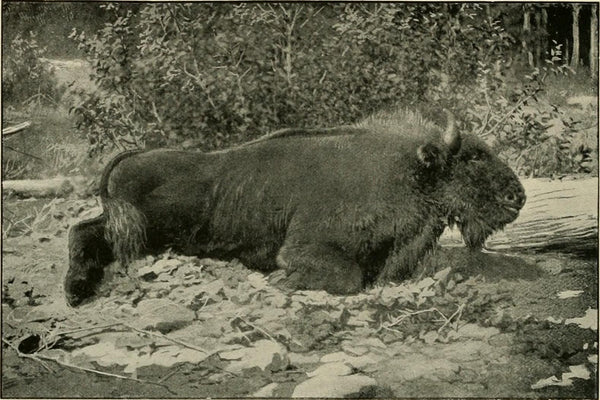
Bison are raised on open pasture rather than in feedlots. The nutritional profile is comparable to grass-fed beef liver, with similar B12, retinol, and heme iron levels. We chose bison for sourcing transparency and to provide a clean, pasture-raised organ meat without added hormones or unnecessary fillers.
These statements have not been evaluated by the Food and Drug Administration. This product is not intended to diagnose, treat, cure, or prevent any disease.
Written by The Wildhorn Desk, Men's Health Editor.