Magnesium's Overlooked Role in Male Hormone Health
8 min read
Magnesium influences free testosterone by competing with sex hormone-binding globulin (SHBG) for binding sites. When magnesium is adequate, more testosterone stays unbound and biologically active. Forms like magnesium glycinate absorb significantly better than oxide, making the choice of form matter as much as the dose.
The Free Testosterone Problem Most Men Miss
Many men in their 40s and 50s get blood work done, see a testosterone number in the normal range, and walk away thinking things are fine. That's not the whole picture. Most testosterone in the blood is bound to proteins and unavailable for use. What your body actually runs on is free testosterone, the fraction that isn't locked up by sex hormone-binding globulin, or SHBG.
Free testosterone is the form that communicates with androgen receptors in muscle, bone, and connective tissue. It's what drives the physical responses most men associate with healthy hormone levels. Total testosterone is a ceiling measurement, not a performance indicator. Two men can have identical total testosterone numbers and very different free testosterone levels depending on how much SHBG each one is carrying.
As men age, SHBG levels tend to rise. A larger share of circulating testosterone gets captured and held out of commission. You can have a seemingly acceptable total reading while your free testosterone is running lower than it should be. Energy, muscle response, and drive are all tied to the free fraction. This is where magnesium enters the picture, and it's a connection most conversations about testosterone support skip entirely.
What SHBG Does and Why It Climbs After 45
SHBG is a glycoprotein produced mainly in the liver. Its job is to bind sex hormones, testosterone included, and transport them through the bloodstream. Bound testosterone is not bioavailable. It cannot interact with androgen receptors in tissue.
In your 20s, SHBG production is relatively modest. After 45, it tends to climb, driven by shifts in liver metabolism, body composition, and nutritional status. By the time men are in their late 50s, SHBG levels can be substantially higher than they were two decades earlier. The net result: men with decent total testosterone readings can end up with free testosterone that's lower than optimal.
Research tracking hormone changes across male aging has found that free testosterone declines at a steeper rate than total testosterone does, precisely because SHBG rises steadily over time. If your doctor is only pulling a total testosterone number, you may be missing the more relevant data point entirely. Ask for a free testosterone measurement and an SHBG level alongside it.
How Magnesium Competes with SHBG for Binding Sites
Magnesium and testosterone both bind to SHBG at overlapping sites. When magnesium is present in sufficient concentration, it occupies some of those binding sites and leaves more testosterone free in circulation. The mechanism is competitive binding. Not complicated.
A study published in Biological Trace Element Research (2011) examined magnesium status and free testosterone in both sedentary and physically active men over several weeks. In both groups, magnesium levels correlated positively with free testosterone levels already within a normal range. In the active group, the association was stronger. The researchers suggested that magnesium may help support the free fraction of testosterone, with physical activity amplifying that relationship.
This isn't a claim that magnesium dramatically changes hormone production. It supports conditions under which the testosterone you already produce stays biologically active rather than getting sequestered by SHBG. For men over 45 whose total numbers look stable while free testosterone drifts lower, that distinction isn't academic. It's practical.
Which Forms of Magnesium Actually Absorb
Form determines absorption. Not all magnesium supplements deliver the same amount of usable magnesium, and the differences are significant enough to matter in practice.
- Magnesium oxide: The most common and cheapest form to manufacture. Contains about 60% elemental magnesium by weight, but bioavailability is roughly 4%. Most of what's on the label passes through unused. Avoid it.
- Magnesium citrate: Substantially better. Bioavailability is closer to 30 to 40%. Absorbs in the small intestine readily and is generally well-tolerated. A reasonable midpoint on the absorption scale.
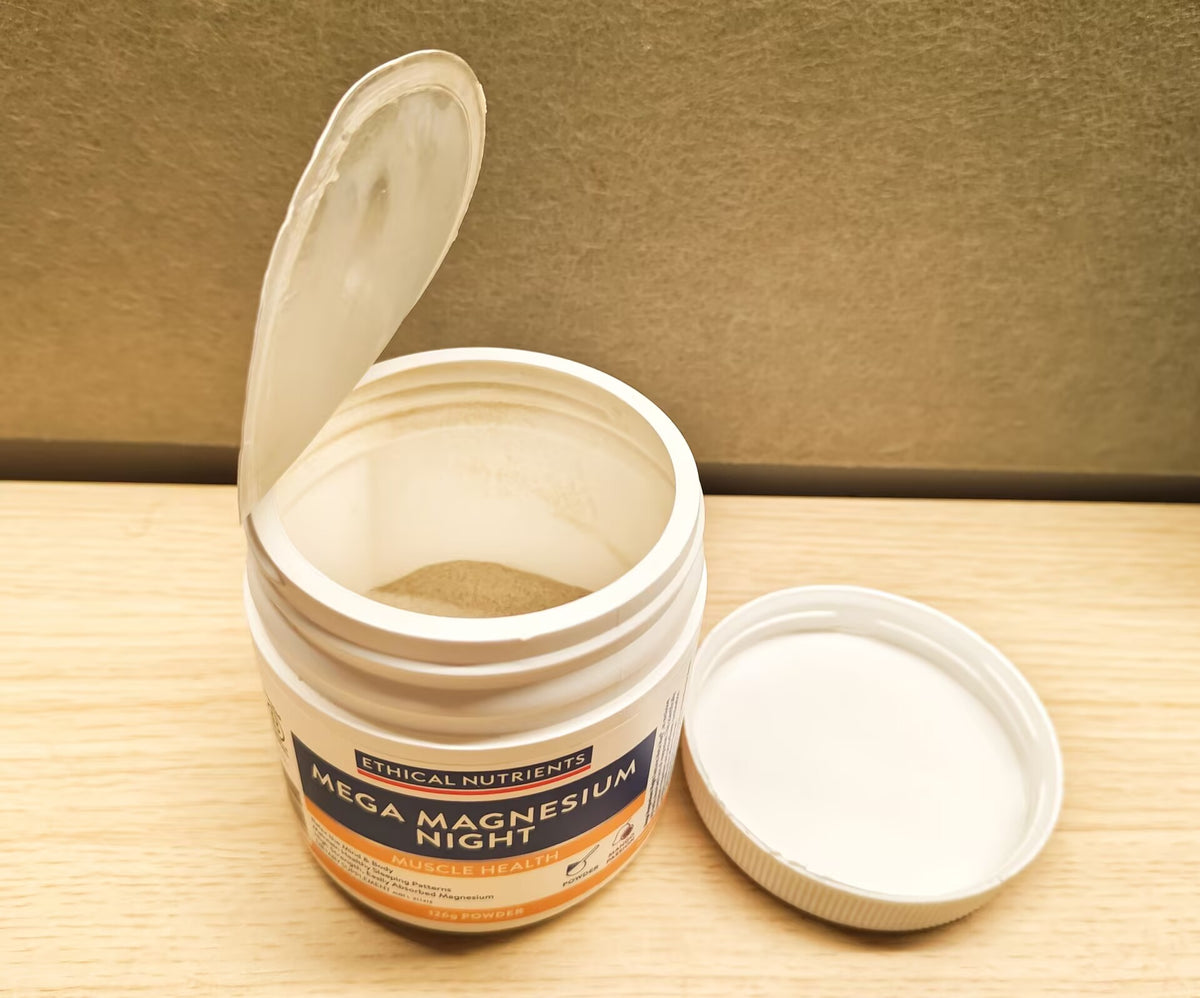
- Magnesium glycinate (bisglycinate): Bound to glycine, an amino acid. This chelated form has high bioavailability and is easy on the digestive system. The glycine attachment improves intestinal absorption and reduces the laxative effect common with other forms at higher doses. One of the preferred forms for consistent daily supplementation.
- Magnesium malate: Paired with malic acid. Absorbs well and is often chosen for its additional role in energy metabolism. Tolerability is comparable to glycinate.
- Magnesium threonate: A newer form with research interest around its ability to cross the blood-brain barrier. Most supporting data is still in early stages, and it's typically more expensive per dose.
For hormone-related goals specifically, glycinate or malate are the forms worth seeking out. Oxide is not. That's the shortlist.
How Much Magnesium Men Actually Need
The recommended dietary allowance for magnesium in men over 30 is 420 mg per day. National survey data consistently shows that a large percentage of American men fall short. Average dietary intake sits around 300 to 350 mg, and absorption from food isn't 100%.
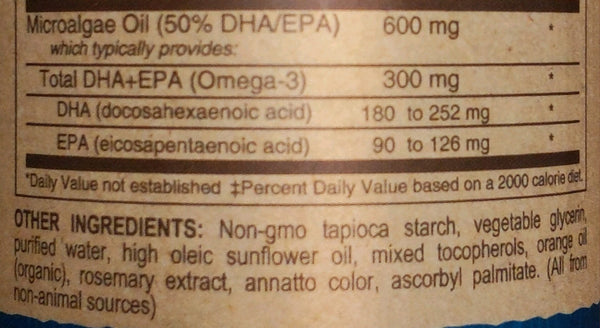
Supplemental doses used in research studies range from 200 mg to 400 mg of elemental magnesium per day. The word elemental matters here. A label might read 500 mg magnesium glycinate, but the elemental magnesium content could be only 100 mg. That gap is meaningful. Read labels for the elemental amount, not just the compound weight on the front panel.
Customers often ask us how to tell if their magnesium status is low. Serum tests are available but imperfect, because the body pulls magnesium from bone and muscle to keep serum levels stable. A better signal is dietary history. If you're not regularly eating green leafy vegetables, nuts, seeds, or legumes, you're probably not hitting 420 mg from food alone. That's most men over 45.
Food Sources and Where the Daily Gap Appears
Magnesium is not rare in food. The problem is consistency. Pumpkin seeds are among the richest sources at about 150 mg per ounce. Almonds and cashews provide 60 to 80 mg per serving. Cooked spinach contributes around 78 mg per half cup. Black beans add about 60 mg per half cup. Dark chocolate at 70% cacao or higher runs roughly 50 mg per ounce.
Most men over 45 aren't eating these foods in sufficient quantity every day. Processed diets reduce overall magnesium intake. Alcohol consumption reduces magnesium retention in the kidneys. Certain medications, including some diuretics and proton pump inhibitors, can further affect magnesium status. The NIH Office of Dietary Supplements notes that inadequate magnesium intake is common across the US population, even among people who consider their diets reasonably healthy.
Supplementation closes the gap when diet comes up short. Not a replacement for food. A way to make sure a basic mineral shortfall isn't quietly limiting how much free testosterone stays active and available already within a normal range.
What to Look for in a Magnesium Supplement
If you're choosing a supplement to support magnesium status and its connection to hormone balance, a few things are worth checking before you buy.
- Form: Glycinate or malate, not oxide. The form is what determines real-world absorption.
- Elemental dose: Look for 200 to 400 mg of elemental magnesium per serving, not just the total compound weight on the label.
- Manufacturing standard: cGMP-certified production verifies that what's listed on the label is actually in the capsule, in the stated amount.
- Synergistic ingredients: Zinc and vitamin D both interact with testosterone metabolism. A formula that covers magnesium, zinc, and D addresses more of the relevant pathways than a standalone magnesium product.
That's the thinking behind our Wild Bison formula. The right chelated magnesium blend in that product is paired with zinc and vitamin D, so you're not managing five separate supplements to cover the same ground. One formula, built around the micronutrients that matter for male hormone health.
Frequently asked questions
What is the difference between total testosterone and free testosterone?
Total testosterone measures all testosterone in the blood, including what's bound to proteins like SHBG and albumin. Free testosterone is the unbound portion that can interact with androgen receptors and exert biological effects. Many men have total testosterone already within a normal range while free testosterone is lower, often because SHBG rises with age.
Which form of magnesium is best for hormone support?
Magnesium glycinate and magnesium malate are the most bioavailable forms for consistent daily supplementation. Magnesium oxide is common but absorbs poorly, with bioavailability around 4%. Always look for the elemental magnesium content on the label, not just the total weight of the compound.
How long does it take for magnesium supplementation to affect magnesium status?
Tissue magnesium levels can take several weeks to respond to consistent supplementation. Research studies in this area typically run for 4 to 12 weeks. Steady daily intake over time is what builds adequate magnesium status. Short-term dosing doesn't produce the same effect.
Can you get enough magnesium from food alone?
Many men can, if their diet consistently includes green vegetables, nuts, seeds, and legumes in reasonable quantities. National survey data suggests the average American man falls short of the 420 mg RDA. If your diet doesn't reliably include those food groups, supplementation is a practical way to close the gap.
Is it safe to take magnesium every day?
Magnesium is an essential mineral and is generally well-tolerated at supplemental doses. The NIH sets the tolerable upper intake level for supplemental magnesium at 350 mg of elemental magnesium per day. Higher doses can cause digestive effects. Magnesium glycinate is often preferred because it's gentler at higher amounts than citrate or oxide. Check with a healthcare provider if you have kidney concerns.
These statements have not been evaluated by the Food and Drug Administration. This product is not intended to diagnose, treat, cure, or prevent any disease.
Written by The Wildhorn Desk, Men's Health Editor.