Organ Protein vs Muscle Meat Protein: Key Differences
8 min read

Organ protein and muscle meat protein share many of the same essential amino acids, but organs contain a distinct set of bioactive peptides and cofactors that muscle tissue does not provide. The two are complementary, not interchangeable, and the difference matters most for men who want complete nutritional density from their protein sources.
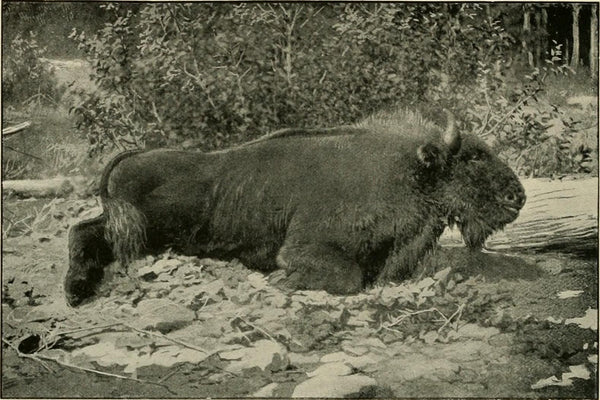
"2016-03-07 0890n bison (28051155086)" by Laura Blanchard from Philadelphia, USA is licensed under CC BY-SA 2.0. To view a copy of this license, visit https://creativecommons.org/l
The Amino Acid Profile: Similar Foundation, Different Emphasis
Both muscle meat and organs provide all nine essential amino acids. On a basic scorecard, they look nearly identical. Dig into the numbers, though, and the split becomes clear.
Whey protein runs about 10-11% leucine by amino acid weight. Leucine is the amino acid most directly tied to triggering muscle protein synthesis. Organ concentrates come in at roughly 7-8% leucine. On that single metric, whey has an edge.
Glycine tells the opposite story. Muscle meat and whey contain very little glycine. Organ meats, particularly liver and kidney, run three to five times higher in glycine content by weight. Glycine is a conditionally essential amino acid that supports connective tissue structure and plays a role in normal digestive function. As men get older, the body's endogenous glycine synthesis becomes less efficient while dietary demand rises. Standard high-protein diets built around whey and chicken breast leave this gap open.
Taurine is another example. Cardiac muscle, specifically heart, is one of the richest dietary sources of taurine. Most whey products contain none.
The Peptide Layer: What No Amino Acid Profile Captures
Amino acid composition is not the complete picture. It tells you what a protein breaks down into, not what it does before it fully breaks down.
During digestion, proteins pass through a peptide phase: short chains of two to twenty amino acids. Some of these peptides are absorbed intact and are biologically active. Organ tissue generates a distinct set of these peptides that muscle meat simply does not produce.
The concept behind this is sometimes called the glandular principle. Testicular tissue contains androgenic peptides specific to that tissue. These are not hormones. They are short-chain peptides that support normal hormonal signaling. Cardiac tissue carries CoQ10-binding cofactors alongside taurine-related peptides. Hepatic tissue contains small peptides involved in metabolic and antioxidant support.
Research indexed on PubMed has examined bioactive peptides from animal organ tissue and their effects on various physiological markers. The human evidence is still developing, but the peptide complexity of organ concentrates is well established in the literature.
Freeze-drying preserves this peptide structure. High-heat whey processing destroys it. That is the core mechanical difference between the two protein categories.
Where Whey Protein Still Makes Sense
Whey is not going anywhere, and it should not. Fast gastric emptying and high leucine content make it the practical choice immediately after training.
A 30-gram serving of whey isolate delivers roughly 3.3 grams of leucine. Most researchers place the threshold for fully stimulating muscle protein synthesis at 2.5 to 3 grams. Organ concentrates taken at the same dose will not match that acute anabolic signal. Leucine matters for the post-workout window, and whey delivers it cleanly.
The practical read: whey handles the post-workout job. Organ concentrates are not a replacement for whey. They fill the nutritional territory that whey leaves empty. Use both.
Cofactors: Why Organs Are Not Just Protein
This is where the comparison shifts decisively. Organs are not primarily protein supplements. They are nutrient-dense whole foods that happen to be high in protein.
Bison and beef liver are among the highest natural sources of preformed vitamin A (retinol). A 4-ounce serving delivers several times the daily reference intake. Heme iron in liver absorbs at roughly three to four times the rate of non-heme iron from plant sources. B12 content in liver runs approximately 60-70 micrograms per 100 grams, far above what any muscle meat provides.
Heart is the richest whole-food source of CoQ10, an enzyme central to mitochondrial energy production. Men over 40 see natural CoQ10 synthesis decline, and many supplement with it separately. Cardiac organ concentrates provide CoQ10 in its whole-food matrix alongside taurine and a complete amino acid profile.
Kidney is one of the better dietary sources of selenium, a mineral that plays a role in normal thyroid function and antioxidant support already within a normal range.
None of these cofactors appear in whey protein.
Why Bison Organs Differ from Conventional Beef Organs
The source animal matters more for organ meats than for muscle cuts. Fat-soluble compounds, peptides, and cofactors concentrate in organ tissue, which means sourcing decisions have real downstream effects on what ends up in the product.
Grass-fed bison raised on open range carry a different nutritional fingerprint than conventional feedlot beef. The omega-6 to omega-3 ratio in bison fat runs roughly 3:1 versus 10:1 or higher for grain-finished animals. Bison are leaner overall, which concentrates the protein and peptide content per gram of tissue. Because bison are not routinely given growth hormones or sub-therapeutic antibiotics, organ tissue does not carry those residues.
Customers often ask us whether conventional beef liver capsules are equivalent to bison. Close, yes. Identical, no. Bison's leaner tissue and cleaner sourcing change what ends up in every capsule.
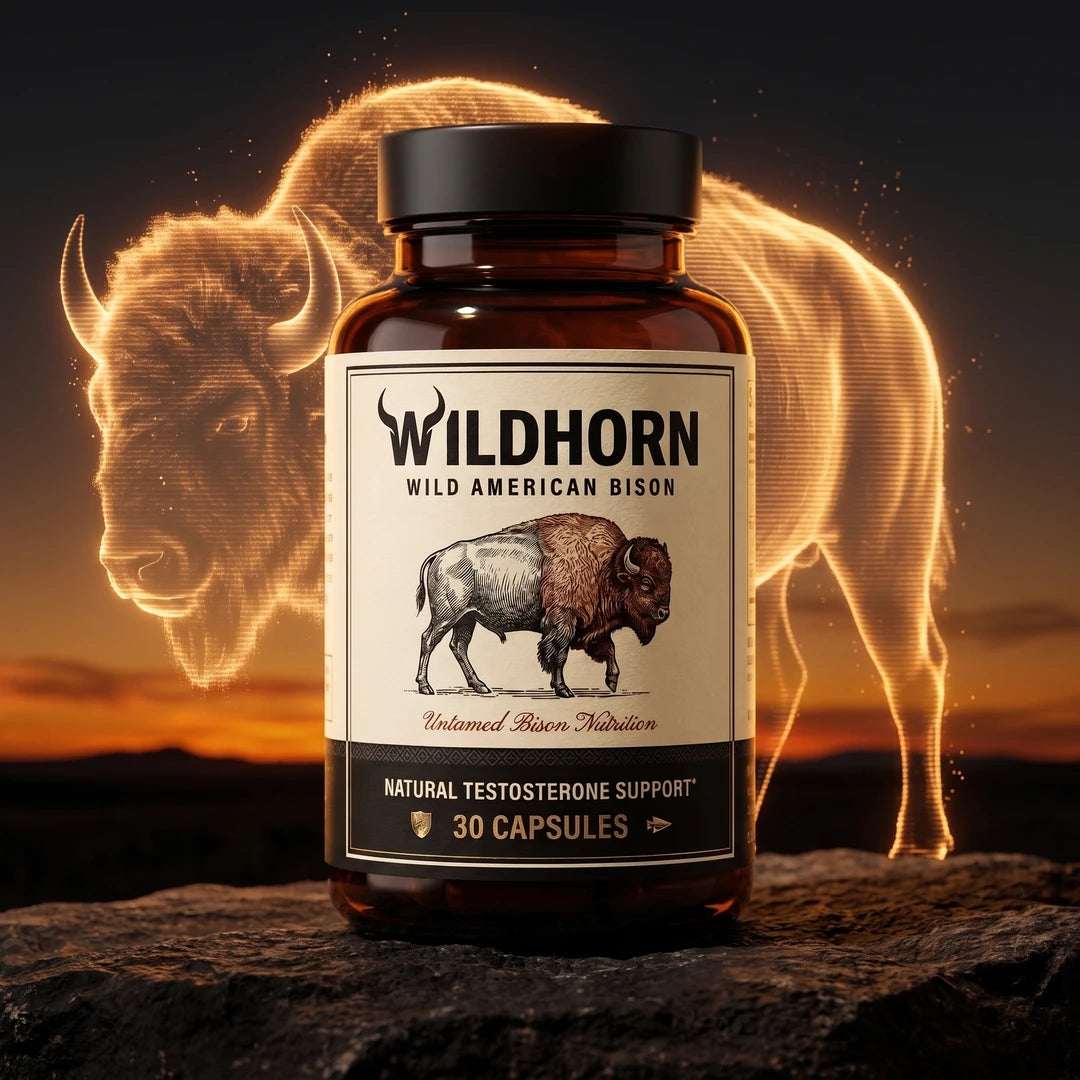
The Wild Bison organ concentrate in our formula uses North American bison organs, freeze-dried at low temperature to preserve the full peptide and cofactor profile.
A Practical Protocol for Men 45 and Older
After 45, two things are working against you. Muscle protein synthesis requires a slightly higher leucine trigger than it did at 30. Glycine synthesis is declining while glycine demand for connective tissue maintenance is rising.
That argues for keeping whey in your protocol for the post-training leucine load. It also argues for adding organ concentrates as a separate piece: covering the glycine deficit, the CoQ10 gap, and the tissue-specific peptides that no protein shake provides.
On dosing: organ concentrate products vary widely. Look for labels that specify the weight of raw organ tissue equivalent per serving, not just the capsule weight. A serving delivering 3,000 to 5,000 mg of organ tissue equivalent is meaningful. Anything below 500 mg is largely symbolic.
- Post-workout: whey isolate for the leucine load
- Morning or with meals: organ concentrate for peptide and cofactor density
- No need to eat fresh liver three times a week to get the benefits
Freeze-Dried Concentrates vs. Fresh Organ Meat
The most common question we get: do you have to eat raw or lightly cooked organs to preserve the peptides, or does freeze-drying actually work?
Freeze-drying works. The process removes water at low temperatures under vacuum pressure, leaving the protein and peptide matrix intact without applying heat that would denature it. You get the full peptide profile of fresh organ tissue without the sourcing challenge of cooking liver twice a week.
What to avoid: products using high-heat rendering, spray-drying, or protein isolate extraction. Those processes destroy the bioactive peptide fraction that makes organ concentrates distinct from a plain glycine supplement or a generic multivitamin.
A short checklist for evaluating any organ supplement:
- Freeze-dried processing, not rendered or extracted
- Organ tissue weight per serving clearly listed on the label
- Single-species sourcing with a traceable supply chain
- No fillers, binders, or added protein powders
Get those four right, and you have a product worth using.
Frequently asked questions
Is organ protein better than whey for building muscle?
Not for the post-workout anabolic signal. Whey's high leucine content is better suited for stimulating muscle protein synthesis immediately after training. Organ concentrates add glycine, CoQ10, and tissue-specific peptides that whey lacks. They work best as complementary tools, not substitutes.
How much glycine does organ meat provide compared to muscle meat?
Liver runs roughly 2-3% glycine by amino acid weight, kidney somewhat higher. That is three to five times what you find in chicken breast, ground beef, or whey protein. For men over 40 whose endogenous glycine synthesis has declined, organ concentrates are one of the most efficient ways to close this gap through food.
Does freeze-drying preserve the same nutrients as eating fresh organ meat?
The peptide and amino acid profile survives freeze-drying well. Some water-soluble vitamins see modest losses of around 10-20% in processing, but the protein matrix and fat-soluble nutrients such as retinol and CoQ10 remain largely intact. Freeze-dried is a practical and effective option for men who will not realistically cook fresh organs regularly.
Can I get enough organ nutrition by eating liver once a week?
One serving of liver weekly meaningfully contributes to B12, retinol, and heme iron. It does not cover the CoQ10 from heart or the selenium from kidney, and peptide exposure is intermittent. A daily organ concentrate covers multiple organ types consistently and fills the gaps between food meals.
Why does bison sourcing matter in an organ supplement?
Bison are leaner than feedlot beef, which concentrates the protein and peptide content per gram of organ tissue. Their omega-6 to omega-3 ratio is considerably lower, and they are not routinely treated with growth hormones or sub-therapeutic antibiotics. For organ products, where fat-soluble compounds accumulate in tissue, sourcing is not a marketing detail.
These statements have not been evaluated by the Food and Drug Administration. This product is not intended to diagnose, treat, cure, or prevent any disease.
Written by The Wildhorn Desk, Men's Health Editor.