How Strength Training Supports Healthy Testosterone
8 min read
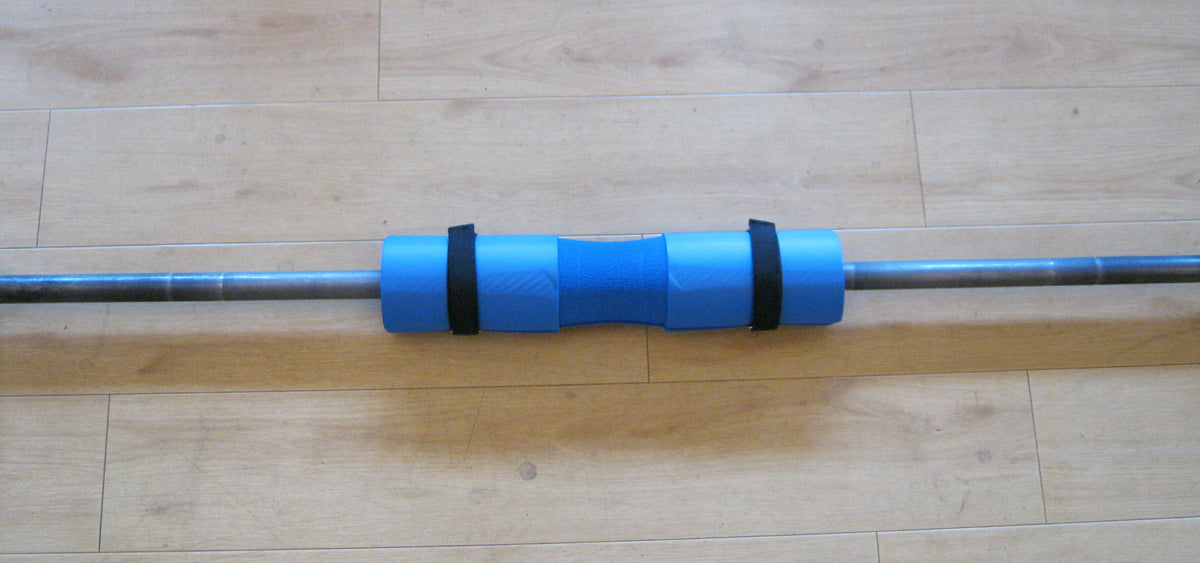
Resistance training triggers an acute rise in testosterone that supports protein synthesis and muscle adaptation. Multi-joint compound lifts, moderate rep ranges of 6 to 12 reps, and 90 to 120 second rest periods produce the strongest hormonal response. What you do in the 23 hours outside the gym determines whether that signal translates into lasting results.
What Happens to Testosterone When You Lift
The hormonal response to resistance training is well-documented. During and immediately after a hard session, circulating testosterone levels rise - this acute spike, lasting roughly 15 to 30 minutes post-workout, supports protein synthesis and plays a role in recovery signaling. It is not a trickle. It is a measurable, reproducible physiological event that most men over 45 are leaving on the table.
Research published in the Journal of Applied Physiology confirmed that multi-joint exercises recruiting large muscle groups produce a more pronounced hormonal response than isolation movements. The amount of working muscle mass matters. More recruited muscle means a stronger signal sent to the body.
Two distinct mechanisms drive this response. Mechanical tension on skeletal muscle activates androgen receptors directly. Metabolic stress from accumulated lactate and hydrogen ions triggers a separate hormonal cascade. Smart programming hits both pathways. Ignoring either one leaves the full benefit only half-realized.
Rep Ranges: Where the Research Actually Points
A lot of men supports rep ranges like religion. Low reps build strength. High reps build endurance. Eight to twelve builds muscle. The hormonal picture is more nuanced, and worth understanding clearly before you design a week of training.
Studies comparing heavy sets of 3 reps at 90 percent of one-rep max against moderate sets of 10 reps at 75 percent consistently find that the moderate loading range - roughly 6 to 12 reps per set - tends to produce the largest acute testosterone response. The combination of sufficient mechanical load and metabolic accumulation appears to be the key driver. Neither factor alone produces the full effect.
That does not mean abandoning heavy lifting. Sets in the 3 to 5 rep range build the neural efficiency and absolute strength that allows you to handle more weight in your moderate work over time. They amplify each other. They are not substitutes for each other.
A practical structure that covers both bases:
- Two heavy days per week - 3 to 5 reps, compound lifts, progressive overload as the organizing principle
- One to two moderate days - 8 to 12 reps, higher volume, deliberate rest periods
Rest Periods: The Variable Most Lifters Get Wrong
Most recreational lifters rest either too long or too short and never think about it deliberately. The rest interval between sets affects the hormonal outcome of a training session more than most gym programs ever acknowledge.
Short rest periods of 60 seconds or less spike growth hormone and cortisol sharply. Chronically elevated cortisol works against the testosterone signal you are trying to produce across a session. Very long rest periods - 5 minutes or more, typical of competition powerlifting - reduce the metabolic stress component that drives the moderate-rep hormonal response.
The research-supported window for maximizing testosterone response in moderate-load work: 90 to 120 seconds between sets. Long enough to partially recover, short enough to keep metabolic stress accumulating across the full session.
For heavy compound sets at 85 percent of max or above, 3 to 4 minutes of rest is appropriate. Neural recovery matters at that intensity. Cutting rest too short on near-maximal sets reduces set quality and defeats the purpose of training heavy in the first place. Two different tools, two different rest targets.
Why Compound Lifts Are Non-Negotiable
Squats. Deadlifts. Romanian deadlifts. Barbell rows. Overhead press. Bench press. These recruit the most total muscle mass, and total recruited muscle mass correlates directly with the strength of the hormonal response.
A study in the European Journal of Applied Physiology compared the hormonal response to matched-load leg press versus free-weight squats. Free-weight squats produced a meaningfully larger testosterone and growth hormone response - attributed to greater stabilizer recruitment and the higher overall neural demand placed on the body as a whole.
Isolation exercises have a place. Finishing a leg session with leg curls is fine. Adding direct arm work makes sense. But if your program is organized around machines and cables with no big compound lifts anchoring it, the hormonal stimulus you are after simply is not there at the level that matters.
Start every session with the most demanding compound movement of the day when you are freshest. Build the rest of the session around that foundation. Everything secondary stays secondary.
Training Frequency and Volume That Actually Supports Adaptation
Three to four resistance training sessions per week is the range most supported by the evidence for men between 45 and 65. Less than three sessions, and the cumulative hormonal stimulus stays weak across the week. More than four, without exceptional sleep and nutrition in place, risks pushing the cortisol-to-testosterone ratio in the wrong direction.
Total weekly volume - working sets per muscle group - that supports both muscle maintenance and hormonal health sits at roughly 10 to 20 sets per week per major muscle group. Start at the lower end of that range. Build up over months, not weeks. The men who get into trouble are the ones who jump to high volume too fast and spend the next month recovering from the resulting fatigue hole.
Customers often ask us whether training harder always produces better results. It does not. The workout is the stimulus. Adaptation happens during recovery. Ignoring that distinction is the most common structural mistake men make when they restart serious training after 40.
Lifestyle Factors That Undermine the Training Signal
You can execute a well-designed program consistently and still blunt the hormonal response through what happens in the other 23 hours of the day.
Sleep is the most critical variable outside of training itself. Research published in JAMA found that men sleeping fewer than 6 hours per night showed significantly lower daytime testosterone than those sleeping 7 to 9 hours. One week of sleep restriction was enough to reduce levels by 10 to 15 percent in healthy men. For men over 45, that margin is less forgiving than it was at 25.
Body fat has a specific biochemical effect worth understanding. Adipose tissue, especially visceral fat around the abdomen, contains aromatase - an enzyme that converts testosterone to estrogen. Carrying significant excess body fat creates a biochemical headwind against the hormonal response you are working to support through training. Resistance training and caloric management address both sides of that equation at once.
Chronic heavy alcohol use suppresses testosterone synthesis directly. Moderate and occasional consumption is a different story entirely. But regular heavy drinking works against everything you are building in the gym, full stop.
Supporting Your Training with Targeted Nutritional Ingredients
Resistance training creates the demand. Nutrition and targeted ingredients help your body meet it.
Protein is the foundation: 0.7 to 1 gram per pound of bodyweight for men training 3 to 4 days per week is what the research supports for muscle protein synthesis at training levels. Getting this wrong caps your results regardless of how well-designed the program is. Nothing else compensates for a chronic protein shortfall.
Zinc and magnesium, both depleted through sweat during training, help maintain testosterone levels already within a normal range. Vitamin D - often low in men who work primarily indoors - also plays a role in supporting hormone function already within a normal range. Most men eating a standard diet are running short on at least one of these three.
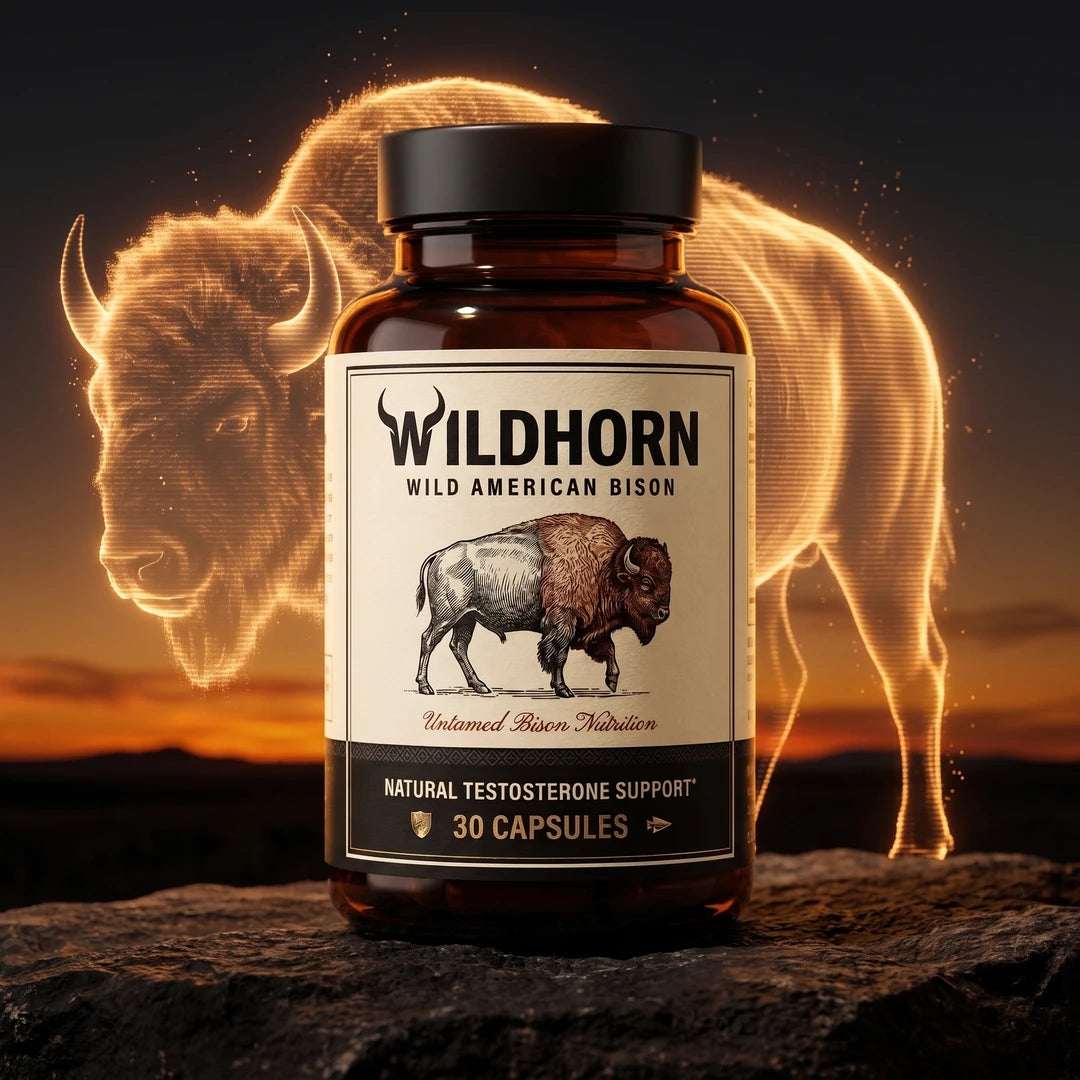
That is where a well-formulated product fills gaps that diet alone leaves open. Our Wild Bison formula uses a targeted blend of ingredients that support healthy testosterone already within a normal range - built specifically for men who are putting in the structured work and want nutritional support that matches that effort. If you are looking for a natural testosterone support supplement that fits a real training program, that is where this product belongs in your routine.
Frequently asked questions
How long after starting strength training do hormonal effects show up?
The acute hormonal response happens immediately - circulating testosterone rises within minutes of finishing a hard set. Longer-term adaptations, including changes in resting testosterone already within a normal range, typically take 8 to 12 weeks of consistent training to become measurable. Consistency over that window matters more than any single workout.
Does cardio hurt testosterone levels?
Moderate cardio does not suppress testosterone in men who are otherwise training and recovering well. Excessive endurance volume - running 60 or more miles per week, for example - has been associated with lower testosterone levels already within a normal range. For most men doing 2 to 4 cardio sessions per week alongside resistance training, it is not a meaningful concern.
Is there an age after which strength training stops supporting testosterone?
No. Men in their 60s and 70s show the same qualitative hormonal response to resistance training as younger men. The absolute levels differ with age, but the training stimulus still supports healthy testosterone already within a normal range regardless of when you start. The stimulus is worth applying at any age.
What is the single most important exercise for hormonal response?
The barbell back squat and deadlift consistently produce the largest hormonal response in research because they recruit the most total muscle mass. If you can only choose one compound movement, either of these is the evidence-supported choice. The leg press is a reasonable structural substitute if knee health requires it, though the hormonal response is somewhat smaller.
Can a supplement replace strength training for testosterone support?
No supplement replaces the training stimulus. A well-formulated product that supports testosterone levels already within a normal range is a complement to a structured program, not a substitute for one. The training creates the signal. Targeted nutrition and ingredients support the body's capacity to respond to it.
These statements have not been evaluated by the Food and Drug Administration. This product is not intended to diagnose, treat, cure, or prevent any disease.
Written by The Wildhorn Desk, Men's Health Editor.