6 Testosterone Booster Myths Men Over 50 Should Drop
9 min read
Natural testosterone boosters don't contain hormones. They supply nutrients and botanical extracts that support your body's own hormone-producing pathways. The science behind ingredients like ashwagandha, zinc, and vitamin D is real. But the timeline and expectations are widely misunderstood, and several persistent myths keep men from making good decisions.
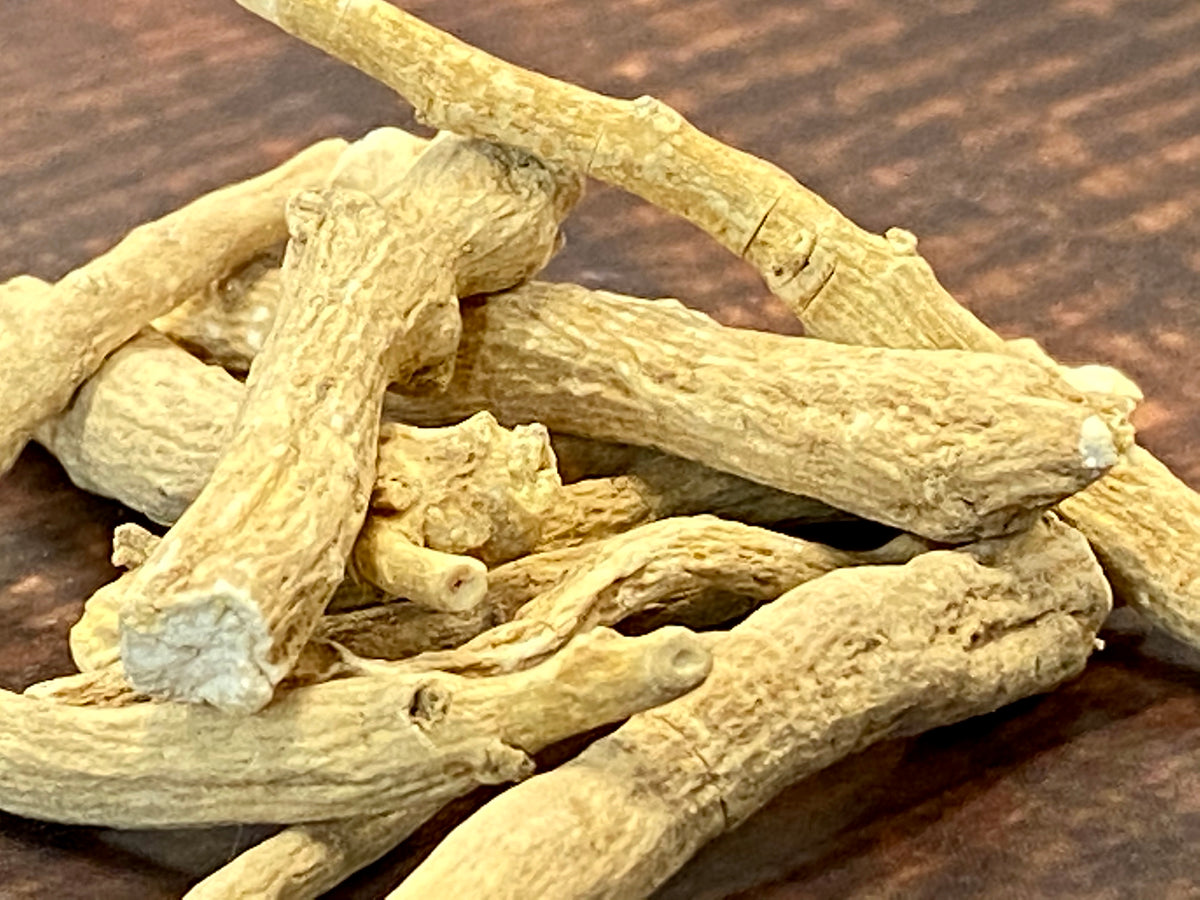
"Ashwagandha Root" by Formulatehealth.com is licensed under CC BY 2.0. To view a copy of this license, visit https://creativecommons.org/licenses/by/2.0/.
Myth 1: Natural Ingredients Can't Actually Work
This is probably the question customers ask us most. The assumption: if a supplement doesn't contain actual hormones, it can't do anything meaningful for testosterone. So why bother?
The problem is the evidence doesn't support that position. Several key ingredients in well-made testosterone support formulas have been tested in double-blind, placebo-controlled human trials. Ashwagandha is the most documented. A peer-reviewed study in Medicine found that men taking KSM-66 ashwagandha extract showed significantly higher testosterone levels already within a normal range compared to placebo over eight weeks.
Zinc is another. The relationship between zinc status and testosterone is documented across multiple studies. The NIH Office of Dietary Supplements recognizes zinc's role in testosterone metabolism, and research consistently shows that men with adequate zinc status maintain higher testosterone readings than those who are moderately deficient.
Vitamin D3 rounds it out. A large cross-sectional study found that men with serum vitamin D levels above 30 ng/mL had significantly higher testosterone levels already within a normal range than men who were deficient. The mechanism involves vitamin D receptors in Leydig cells, which are the primary testosterone-producing cells in the testes.
None of that is placebo. It's biology.
Myth 2: More Ingredients and Higher Doses Are Always Better
If some zinc supports healthy testosterone, surely mega-dosing it would work even better. This logic is intuitive and wrong, and in some cases it's actively harmful.
Zinc has a well-documented therapeutic window. Research suggests 25 to 45 mg daily can support testosterone levels already within a normal range in men who are moderately deficient. Push past 100 to 150 mg per day for extended periods and you start depleting copper, because zinc and copper compete for the same absorption pathways. Copper deficiency creates its own downstream problems with energy and connective tissue support.
Vitamin D follows the same pattern. Maintaining serum 25(OH)D between 30 and 50 ng/mL appears linked to healthy testosterone readings already within a normal range. Aggressive supplementation pushing levels past 100 ng/mL adds no measurable hormonal benefit and introduces real toxicity risk over time.
The same logic applies to ingredient count. A formula trying to pack 15 ingredients into a 400 mg total is almost certainly under-dosing most of them below any clinically relevant threshold. More items on the label does not mean more effect in the body.
The goal of a testosterone support formula is calibration, not maximization.
Myth 3: You'd Know If Something Was Off
Men tend to assume that if testosterone were a real issue, the symptoms would be obvious. They expect something dramatic. The reality is slower and quieter than that.
Testosterone declines at roughly 1 percent per year after age 30. By 55, a man may have lost 20 to 25 percent of his peak production and still be technically within the 'normal' reference range, which spans from about 300 to 1,000 ng/dL on most lab panels. A man at 315 ng/dL is having a very different physiological experience than a man at 750 ng/dL, even though both get a normal flag on the bloodwork.
The changes at the lower end of normal are subtle. Recovery between training sessions takes noticeably longer. Holding muscle mass requires more effort despite consistent training. Sleep quality shifts in ways that are hard to name but easy to feel. None of these send someone to a doctor. But they're real and they add up over years.
Supporting testosterone levels already within a normal range doesn't require being in crisis. Think of it as maintaining a system that's been under steady pressure for 20-plus years rather than waiting until numbers fall off the bottom of the reference range entirely.
Myth 4: All Testosterone Boosters Are Basically the Same
Walk into any supplement aisle and the labels look similar. Zinc, magnesium, vitamin D, some herbal extracts, a bold claim on the front. But the differences inside that label matter enormously.
Ingredient form is the first place cheap formulas cut corners. Magnesium oxide has an absorption rate of roughly 4 percent. Magnesium glycinate or malate absorbs at 40 to 50 percent. If a label just says 'magnesium' without specifying the form, you're probably getting the cheap version. Same issue with zinc: zinc oxide absorbs poorly compared to zinc bisglycinate or zinc picolinate.
Extract standardization is the second problem. Listing 'ashwagandha' on a label tells you almost nothing about potency. The research showing real results uses standardized extracts: KSM-66 (standardized to at least 5% withanolides) and Sensoril are the two with the strongest human clinical trial records. Generic ashwagandha powder at the same milligram dose is not equivalent.
Third: dose transparency. Proprietary blends that list nine ingredients inside a 350 mg total are almost certainly under-dosing most of them. If you can't verify each ingredient's exact dose, you cannot evaluate whether it matches the research behind it.
In our formula, every ingredient amount is disclosed exactly. No blends, no guesswork.
Myth 5: Natural Boosters Work the Same Way as TRT
This confusion is understandable. Both are described as supporting testosterone. But the mechanism is completely different, and conflating them leads to wrong expectations on both ends.
Testosterone replacement therapy introduces synthetic or bioidentical testosterone directly into your bloodstream. The body detects the external hormone and the feedback loop that normally signals the testes to produce testosterone shuts down. LH and FSH production drop. Natural production can atrophy over time. TRT requires physician oversight, regular bloodwork monitoring hematocrit, estradiol, PSA, and other markers, and careful management if you ever want to stop using it.
Natural testosterone support supplements don't add hormones. They supply nutrients and botanical compounds that your body uses within its existing production system. Zinc is a cofactor in enzymes involved in testosterone synthesis. Vitamin D receptors in Leydig cells play a role in testosterone output. A controlled trial published in the Journal of the International Society of Sports Nutrition found that ashwagandha supplementation supported testosterone levels already within a normal range and recovery markers in healthy men over eight weeks of consistent use.
These work with your body's existing system, not around it. Different mechanism. Different risk profile. Not interchangeable.
Myth 6: If You Don't Feel It in a Week, It Failed
This expectation comes from the stimulant supplement market, where you're supposed to feel something within 30 to 60 minutes. Testosterone support doesn't work that way, and anything that seems to hit that fast is almost certainly doing something else entirely.
Consider the actual timeline on the core ingredients. Zinc tissue replenishment from a state of moderate deficiency takes weeks of consistent intake. Vitamin D blood levels move slowly: 6 to 8 weeks of daily supplementation is typically needed before serum 25(OH)D shifts meaningfully. The ashwagandha clinical trials showing the strongest hormone-supporting effects run for 8 to 12 weeks.
This is not a design flaw. It's how nutritional status changes in the body. Your system doesn't flip switches, it adjusts gradients over time. That same slowness is also evidence the effects are genuine rather than stimulant-driven.
A more practical approach: pick two or three objective markers you can track without a lab. Strength output on a specific compound lift. Sleep quality scored 1 to 10 each morning. Energy level at 3 p.m. Track it weekly. Don't expect fireworks at day 5. Give it 90 days before drawing conclusions.
If a product promises you'll feel the difference in 48 hours, ask what is actually in it. The answer is often caffeine or something else creating a short-term sensation. Real nutritional support builds quietly.
What to Actually Look For in a Formula
Now that the myths are cleared, here's a short checklist for evaluating any testosterone support product before you buy it.
- Full ingredient transparency: Every ingredient listed with its exact dose. No proprietary blends hiding behind a single combined number.
- Standardized extracts: Ashwagandha should specify KSM-66 or Sensoril with a withanolide percentage listed. Generic herb powder is not equivalent at any dose.
- Bioavailable mineral forms: Chelated or organic-acid forms of zinc and magnesium outperform oxides by a wide margin in actual absorption.
- Human clinical data: Ingredients should have randomized controlled trials in humans, not just cell studies or rodent models.
- A focused ingredient list: Fewer ingredients at research-relevant doses beat a long list of additions included at doses too small to matter.
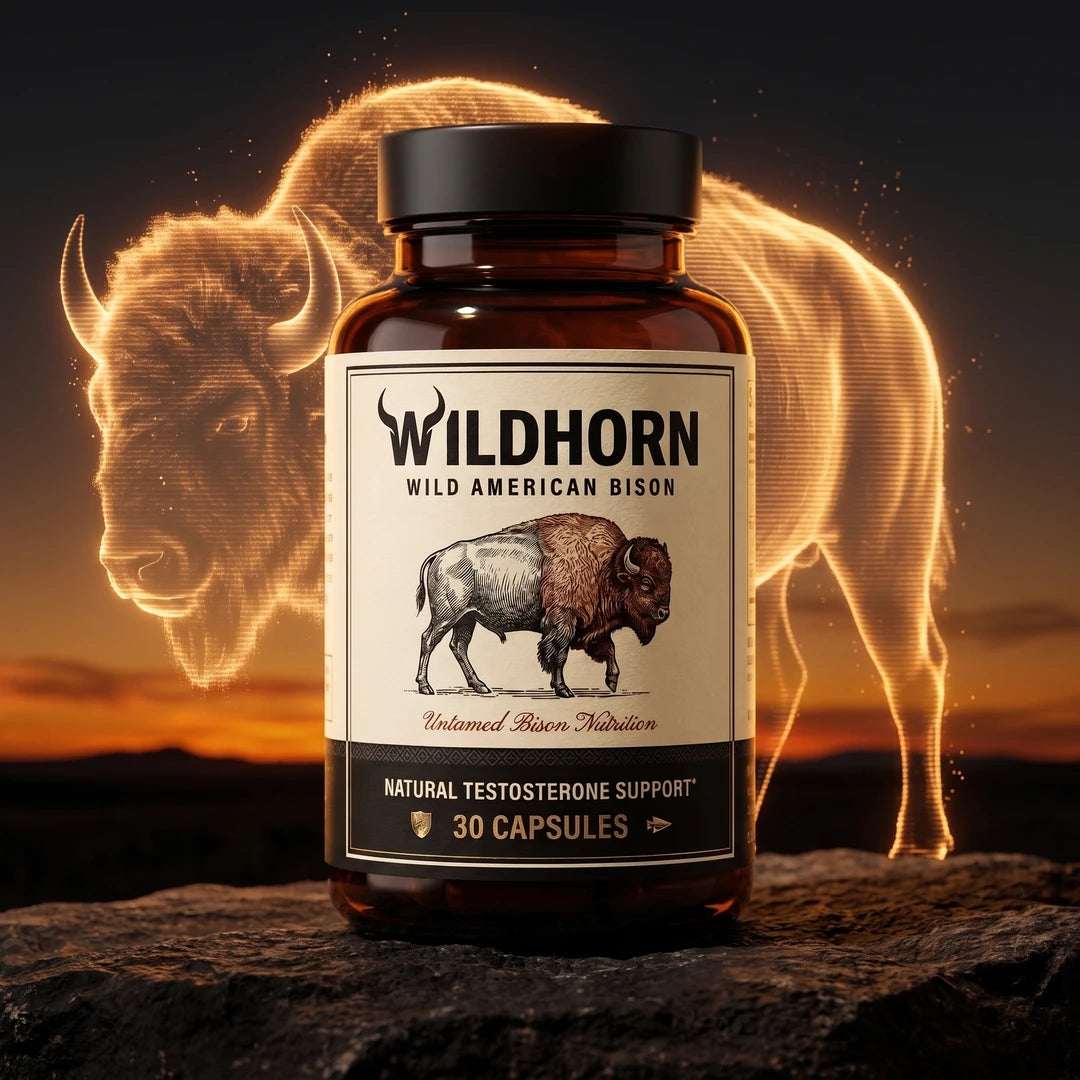
The Wild Bison testosterone support formula is built around those criteria. KSM-66 ashwagandha at a research-matched dose, chelated zinc, D3 paired with K2, and a tight list of additional well-studied ingredients. Each one included for a documented reason, each one at a dose that reflects the actual science.
Formulas you can audit are the ones worth trusting.
Frequently asked questions
Do testosterone support supplements require a prescription?
No. Natural testosterone support supplements are sold as dietary supplements and don't require a prescription. They work through nutritional and botanical support of your body's own hormone-producing pathways, not by introducing hormones directly. If you're on any medications, check with your doctor before adding any supplement to your routine.
How long before I notice a difference from a testosterone booster?
Based on clinical research behind key ingredients like ashwagandha and vitamin D, measurable changes in studies typically appear between 6 and 12 weeks of consistent daily use. Tracking objective markers like strength output or sleep quality week by week is more useful than waiting to feel something dramatic happen.
Can I take a testosterone support supplement if I'm already on TRT?
That's a conversation to have with your prescribing physician. Some ingredients overlap in the pathways they affect, and how they interact with your specific TRT protocol depends on your individual situation and bloodwork. Don't add supplements to a medical hormone protocol without medical guidance.
Is vitamin D actually important for testosterone levels?
Vitamin D receptors are found in Leydig cells, which are the primary testosterone-producing cells in the testes. Research has found consistent associations between adequate vitamin D status and testosterone levels already within a normal range. Men over 50 are commonly deficient, making it one of the most straightforward nutritional factors to address.
Are there side effects from natural testosterone support supplements?
Well-formulated products using research-backed doses of zinc, vitamin D, and standardized botanical extracts are generally well-tolerated. Taking doses well above the studied range for extended periods, particularly with zinc, can interfere with copper absorption. Choose products that fully disclose exact ingredient amounts so you know precisely what you're taking and at what dose.
These statements have not been evaluated by the Food and Drug Administration. This product is not intended to diagnose, treat, cure, or prevent any disease.
Written by The Wildhorn Desk, Men's Health Editor.