5 Testosterone Myths Men Over 50 Still Believe
8 min read
Most of what you've heard about testosterone after 50 is wrong. Cardio doesn't spike it. Red meat doesn't tank it. And your levels aren't locked in stone. Five persistent myths circulate in men's health, and clearing them up helps you make smarter decisions about training, diet, and daily habits.
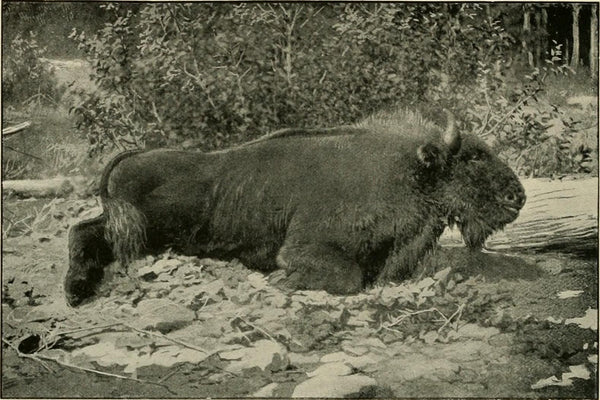
"2016-03-07 0890n bison (28051155086)" by Laura Blanchard from Philadelphia, USA is licensed under CC BY-SA 2.0. To view a copy of this license, visit https://creativecommons.org/l
Myth 1: Cardio Is the Best Exercise for Your T Levels
The logic sounds reasonable: cardio burns fat, fat reduction supports hormonal health, so cardio must help testosterone. The chain breaks at step two.
Long-duration, steady-state cardio, think 60-minute runs at moderate pace, can suppress testosterone temporarily. Studies on endurance athletes consistently show lower resting testosterone compared to men of the same age doing resistance training. The signal your body reads from a long run is very different from the signal it reads from a heavy squat session.
Resistance training, particularly compound movements like squats, deadlifts, and presses, generates an acute hormonal response that aerobic work simply does not match. Research consistently shows high-intensity resistance exercise produces greater acute testosterone responses than aerobic protocols. The hormonal environment created by heavy compound lifts is simply different from what steady-state cardio produces.
That does not mean cardio has no place. Your heart matters. But if you're doing cardio five days a week and lifting nothing heavy, you're training for endurance, not for hormonal support. Three to four sessions of progressive resistance work per week is the structure that helps maintain healthy testosterone already within a normal range.
Myth 2: Red Meat Tanks Your Testosterone
This one comes from conflating dietary fat with processed food, and it has pushed a lot of men toward low-fat, low-protein diets that work against them. The meat-is-bad assumption got tangled up with cardiovascular disease research, then got applied incorrectly to hormonal health.
Testosterone is synthesized from cholesterol. That's basic physiology. Men eating very low-fat diets over extended periods often show lower testosterone than men consuming moderate amounts of animal fat. The research on this is consistent. Dietary fat is a raw material, not a toxin.
The legitimate concern is with ultra-processed meats: deli meats, hot dogs, fast food patties. Those carry additional variables that cloud the picture. A grass-fed steak, a lamb chop, bison? Those are a different story entirely.
Red meat, particularly beef and bison, is also one of the best dietary sources of zinc. Zinc plays a role in supporting testosterone production already within a normal range. Most American men over 50 are borderline deficient in zinc, and the ones eating the least red meat are often the most deficient. That's a connection worth taking seriously.
Myth 3: Your Testosterone Levels Are Mostly Fixed
Genetics sets your ceiling. Lifestyle determines how close you get to it. That's not a motivational slogan, it's how the physiology actually works.
Sleep is the most underrated variable in this conversation. Your body produces the majority of its daily testosterone during deep sleep. Cut sleep to six hours or less and you can see measurable drops within a week. A 2011 study published in JAMA found that restricting sleep to five hours per night for one week reduced testosterone in healthy men by 10 to 15 percent. You're not 25, so the effect is probably sharper for you.
Body composition is the second lever. Visceral fat, the fat stored around your midsection, contains aromatase. Aromatase converts testosterone into estrogen. More visceral fat means faster conversion. Losing abdominal fat is one of the most reliable ways to support healthy testosterone already within a normal range. That's not a claim about supplements. That's just how the enzyme works.
Chronic stress adds a third variable. Cortisol and testosterone compete for precursor hormones. When cortisol runs high for weeks or months, testosterone tends to drift lower. Men who reduce chronic stressors, who build in actual recovery, tend to maintain better hormonal balance through their 50s than men who just push harder and harder.
Myth 4: Low T After 50 Is an Inevitable Slide You Cannot Affect
Yes, testosterone declines with age. Average loss is roughly one to two percent per year starting in the mid-30s. By 55 that accumulates to something real.
But the trajectory is not identical for everyone, and it's not fixed. Men who train consistently, sleep seven to nine hours, stay lean, and manage stress can have testosterone profiles that look a decade younger than their sedentary peers. Age is a variable. It's not the only variable.
What you should not do is ignore symptoms. Fatigue that sleep doesn't resolve, low motivation, changes in body composition despite consistent effort, slower recovery from exercise: these warrant a conversation with your doctor and a blood panel. Ask for total testosterone, free testosterone, SHBG, LH, and FSH. Total T alone does not give you the full picture. If your SHBG is high, your free T could be low even with a normal total reading. The combination tells you more than any single number.
Know your numbers. That's the baseline. Everything else builds from there.
Myth 5: Testosterone Supplements Are All Marketing and No Evidence
This critique is half right, and the half it gets wrong is worth understanding.
Most T-boosters on the market are weak. Proprietary blends, ingredients at token doses with no clinical relevance, vague claims with nothing behind them. That criticism is fair and widely deserved.
But the ingredients themselves, the ones with real research behind them, are a different matter. Ashwagandha (Withania somnifera) is the most studied. A randomized, double-blind, placebo-controlled trial found that men taking 600mg of KSM-66 ashwagandha daily for eight weeks showed significantly greater support for healthy testosterone already within a normal range, alongside improvements in strength and recovery markers, compared to placebo.
Zinc and magnesium in chelated forms support the enzymatic steps involved in testosterone synthesis. D-aspartic acid shows value in men starting from a lower baseline. The critique should target underdosed, poorly formulated products, not the underlying nutritional science.
Customers often ask us why most supplements don't seem to do anything. The answer is usually dose. 300mg of ashwagandha doesn't do what 600mg does. The right natural testosterone support formula lists every ingredient at the dose it was studied at, with no hidden blends.
What the Evidence Actually Shows About Testosterone After 50
Strip away the myths and the picture is cleaner than most people expect. There are no secrets here. There's no single switch you flip.
Testosterone responds to a handful of modifiable inputs: sleep quality, resistance training volume, body composition, chronic stress load, and nutritional sufficiency in key minerals. Fix the obvious gaps and levels improve. Neglect them and no supplement closes the gap.
For men over 50 who have the lifestyle fundamentals in place and want additional support, specific well-dosed botanicals and minerals can help maintain healthy testosterone already within a normal range. The dose matters more than the ingredient name. Look for ashwagandha as KSM-66 extract, not generic ashwagandha powder. Look for zinc as bisglycinate, not oxide. Magnesium as glycinate or malate absorbs far better than magnesium oxide.
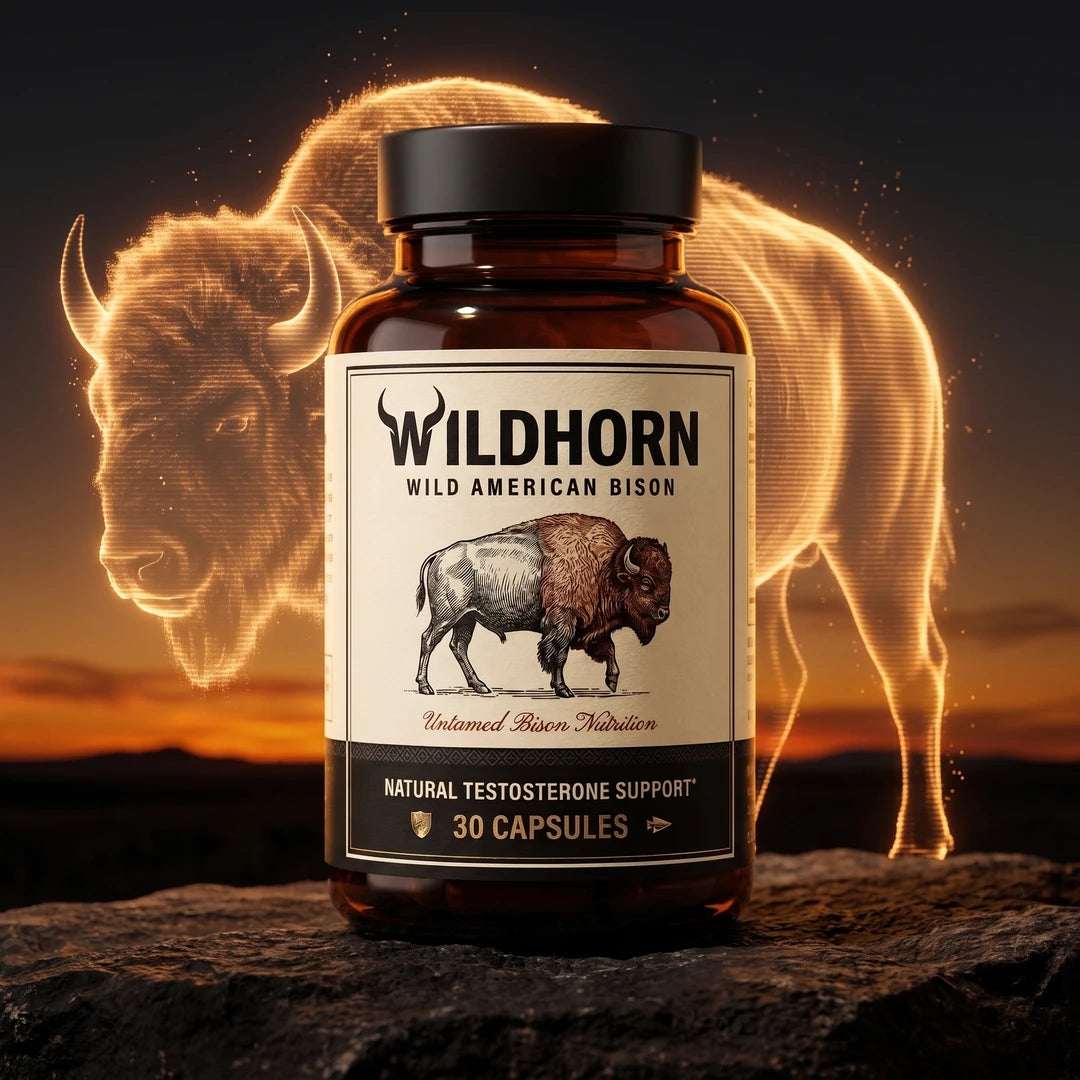
In our formula, we use the full 600mg clinical dose of KSM-66 ashwagandha, chelated zinc, and magnesium glycinate alongside three additional ingredients chosen for bioavailability. No proprietary blends. Every dose is listed on the label. You can verify each ingredient against the published research, because that's what it's based on.
The Bottom Line for Men Over 50
No supplement fixes a broken lifestyle. That's the one truth that cuts through all the noise.
But a solid lifestyle, paired with the right nutritional support, is a reasonable and evidence-informed approach for men who want to maintain strength, energy, and drive through their 50s and beyond.
Get blood work done. Know your numbers. Build the training and sleep habits first. Then, if you want to add a well-formulated supplement to the stack, make sure you understand what's in it and why it belongs there.
Myths are easy. Evidence takes more effort. The fact that you're reading this suggests you're willing to put in the work, and that puts you ahead of most men who are still running on received wisdom from twenty years ago.
Frequently asked questions
Does cardio lower testosterone?
Extended low-to-moderate cardio in high volumes can suppress testosterone temporarily. This is most pronounced in endurance athletes logging very high weekly mileage. Shorter, higher-intensity cardio alongside regular resistance training does not carry the same suppressive effect and can help support healthy cardiovascular function already within a normal range.
Is red meat good or bad for testosterone?
Red meat from quality sources, like grass-fed beef or bison, supports healthy testosterone already within a normal range. It provides zinc and dietary cholesterol, both raw materials for testosterone synthesis. Ultra-processed meats are a separate category with different nutritional profiles and should not be grouped with whole cuts.
How much does sleep affect testosterone?
Significantly. Most testosterone production happens during deep sleep. Research shows that restricting sleep to five hours per night for one week reduced testosterone measurably in healthy men. Seven to nine hours of quality sleep is a foundational step for men over 50 before adding any supplement to their routine.
What should I look for in a testosterone support supplement?
Look for KSM-66 ashwagandha at 600mg, zinc as bisglycinate rather than oxide, and magnesium as glycinate or malate. Avoid proprietary blends where individual doses are hidden. Each ingredient should appear at or near the dose used in the published research it references.
At what age does testosterone start declining?
Production typically begins a gradual decline in the mid-30s, around one to two percent per year on average. By age 50, most men have measurably lower levels than at 30. The rate and extent of decline varies widely based on lifestyle factors including sleep quality, exercise habits, body composition, and stress management.
These statements have not been evaluated by the Food and Drug Administration. This product is not intended to diagnose, treat, cure, or prevent any disease.
Written by The Wildhorn Desk, Men's Health Editor.