What 'Testosterone Support' Actually Means on a Label
8 min read
The phrase 'testosterone support' on a supplement label is a structure/function claim. It signals the product contains ingredients with published research suggesting they may help the body maintain hormone levels already within a normal range. It is not a drug claim and does not mean the product raises testosterone the way a prescription does.
What the Label Rules Actually Say
The FDA draws a firm line between two types of product claims. On one side: drug claims, which assert that something supports, supports, or prevents a disease. On the other: structure/function claims, which describe how a nutrient supports a normal body process.
Every legitimate testosterone support formula uses the second type. That is not evasion. It is the legal and honest distinction between a food-based supplement and a pharmaceutical.
Here is what structure/function language looks like in practice: "helps maintain testosterone levels already within a normal range." That phrase is deliberate. It says the product supports a healthy process. Not that it overrides a clinical condition or replaces a prescription.
Manufacturers must have substantiation for these claims on file. They do not submit it to the FDA in advance, but they are required to back it up if asked. Reputable companies can point to specific published research. Many cannot.
The Ingredients That Have Real Research Behind Them
Not every ingredient in a testosterone formula deserves to be there. These are the ones with actual published data worth knowing.
- Zinc. A cofactor in the enzymatic steps involved in testosterone synthesis. Men with low zinc status tend to have lower testosterone levels. Restoring adequate intake may support testosterone already within a normal range. Form matters: zinc picolinate and zinc bisglycinate absorb meaningfully better than zinc oxide.
- Ashwagandha (KSM-66). A standardized root extract with several double-blind trials in healthy men. One study in the Journal of the International Society of Sports Nutrition found men supplementing with KSM-66 had higher testosterone and better recovery markers versus placebo. Read the research on PubMed. The cortisol connection matters here: chronically high cortisol competes with testosterone at the hormonal level, and ashwagandha has consistent data on reducing cortisol output in stressed adults.
- Vitamin D3. Technically a hormone precursor, not a vitamin. Vitamin D receptors sit on Leydig cells, the cells that produce testosterone in the testes. Research in Hormone and Metabolic Research found men with sufficient vitamin D had higher free testosterone than men who were deficient. See the study here. Most men over 45 run lower than optimal.
- Magnesium. Binds to sex hormone-binding globulin (SHBG), which controls how much testosterone circulates as free versus bound. Free testosterone is the active form. Magnesium glycinate and malate forms absorb substantially better than oxide.
- Boron. A trace mineral with emerging data on SHBG reduction and free testosterone support. The studied dose range is 6 to 10mg per day. Rarely included at meaningful doses in budget formulas.
What 'Support' Can Realistically Do
Customers often ask us: will this get my testosterone numbers up like TRT? No. That is not the claim, and it is not the mechanism.
What a well-formulated supplement can do is work at the margins. It may correct zinc or vitamin D insufficiency that has been quietly limiting your body's hormone output. It may reduce the cortisol load that competes with testosterone. It may support SHBG balance so more of what you already produce stays active and available.
That is genuinely useful for a man in his 50s who eats reasonably well but still runs nutritional gaps. Whose cortisol runs high from chronic work stress. Who has not had meaningful sun exposure since October. These gaps are real. Addressing them through targeted nutrients at the right doses is a legitimate approach.
No overnight transformation. No dramatic lab-value swings in week one. Real, physiological support for processes your body is already running.
What These Formulas Cannot Do
Be direct about this: no supplement in this category can override a primary failure of the testes to produce testosterone. It cannot replace a prescription if your labs are meaningfully low. It will not produce dramatic changes in total testosterone numbers within days.
These formulas do not work in a vacuum. Without adequate sleep, sufficient protein, resistance training, and managed stress, the best formula on the market operates on a broken foundation.
If your numbers are significantly low on bloodwork, talk to your doctor. Supplements are not a substitute for medical evaluation. Any company implying otherwise is misleading you.
- Sleep below six hours per night suppresses hormone output. No formula compensates for that.
- Chronic caloric restriction is one of the fastest ways to drive testosterone lower. Eating enough matters more than most supplements.
- Resistance training is the most validated lifestyle intervention for supporting testosterone levels already within a normal range.
Five Red Flags on Testosterone Support Labels
These five signals tell you a formula is not serious.
- Proprietary blends. If the label shows a blend total but not individual ingredient doses, you have no idea whether each ingredient is present at 10mg or 600mg. Transparency is not optional in a credible formula.
- "studied" with no citation. Legitimate companies link to the specific study, specific extract form, specific dose. Vague claims are marketing, not science.
- Ingredients dosed far below studied amounts. Ashwagandha at 50mg when the research used 300 to 600mg is a label ingredient, not an active one. The number is there to sell you, not to help you.
- Too many ingredients, too little of each. A 25-ingredient formula splitting 900mg total between all of them is a fairy-dust stack. Looks impressive on the label. Does very little in practice.
- Disease-adjacent language. Phrases like "for aging male hormone decline" or "helps with symptoms of low T" wink at clinical conditions without naming them. Same problem, different wording.
How to Read a Formula Like a Skeptic
Start with the form, not the ingredient name. Zinc oxide and zinc picolinate are both "zinc" on a label. One absorbs at roughly 10 to 15 percent. One absorbs at 20 to 30 percent or better. That gap matters when you are counting on the nutrient to actually reach your tissue at a meaningful level.
Then check the dose against the published research. For ashwagandha, that is 300 to 600mg of a KSM-66 or Sensoril extract. For vitamin D3, effective doses in studies typically fall between 1,000 and 5,000 IU per day. For magnesium, trials use 200mg or more of elemental magnesium, not the total compound weight listed on the label.
Third-party testing is not optional if you take this seriously. NSF Certified for Sport, Informed Sport, or USP verification means an independent lab confirmed what is on the label is in the bottle, at the stated dose, without contamination. For anyone who competes or tests professionally, this is a baseline requirement.
Short ingredient lists done well consistently outperform long lists done cheaply.
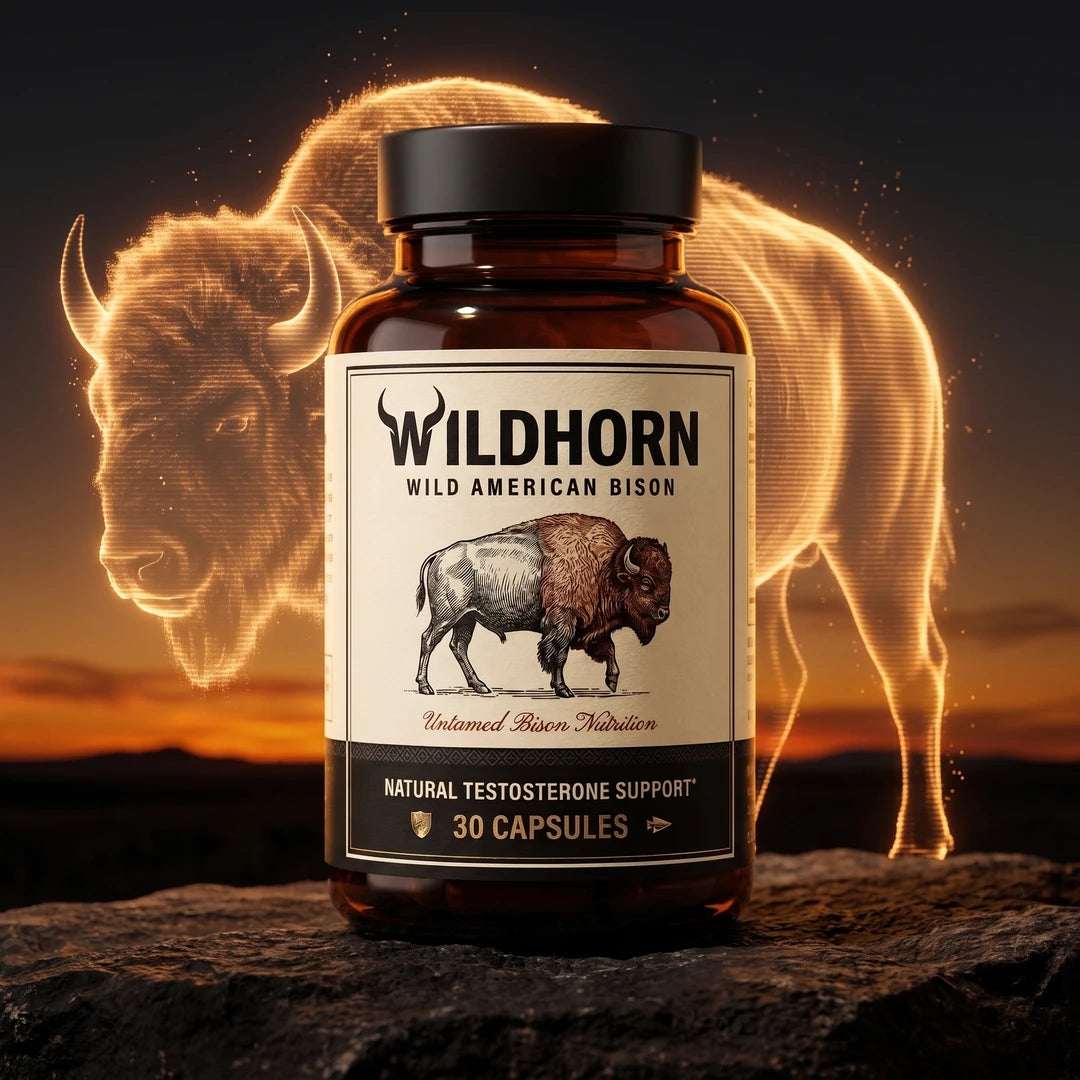
What We Put in Wild Bison and Why
In our formula, every ingredient is dosed at or above the amounts used in the published research. We chose KSM-66 ashwagandha because it carries more human trial data than any other ashwagandha extract on the market. We use zinc picolinate, not oxide. Vitamin D3 at 2,000 IU per serving. Boron at 6mg, which is the low end of the studied range for free testosterone support.
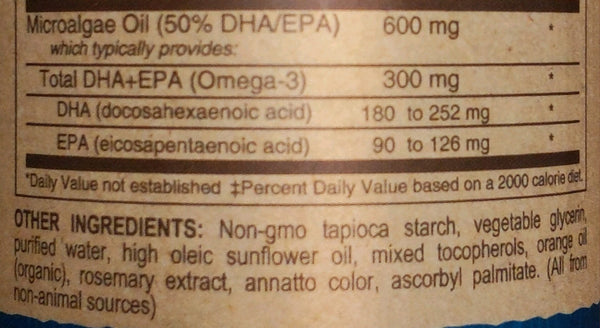
The label is fully transparent. Every ingredient listed with its dose. No proprietary blends. Cross-reference it against PubMed if you want. We built it to hold up to that kind of reading.
If you are a man in his 40s or 50s looking for a testosterone support supplement that does not hide behind blends or vague claims, Wild Bison was built for exactly that kind of scrutiny.
Frequently asked questions
Is 'testosterone support' the same as testosterone therapy?
No. Testosterone support supplements use nutritional and botanical ingredients with research suggesting they may help the body maintain hormone levels already within a normal range. Testosterone therapy delivers exogenous testosterone directly into the body. These are completely different mechanisms and entirely different regulatory categories.
How long before I notice anything from a testosterone support formula?
Most of the relevant research runs 8 to 12 weeks. Micronutrient repletion is a gradual process. Correcting a zinc or vitamin D deficit does not happen in a week. Give any serious formula at least 60 to 90 days of consistent use before drawing conclusions.
Should I get labs done before starting a testosterone support supplement?
It is a smart move. Knowing your baseline vitamin D status, zinc levels, and total and free testosterone gives you real context for what a support formula might be addressing. Your doctor can order a standard hormone panel. You will also have a baseline to compare against later.
Why does ingredient dose matter more than the ingredient list?
An ingredient at 50mg might appear on the label, but if the research showing a meaningful effect used 400mg, that is not an active dose. It is a marketing dose. The presence of an ingredient proves nothing. The dose tells you whether it is serious.
Are testosterone support ingredients safe alongside other supplements?
The common ingredients in these formulas, including zinc, magnesium, vitamin D3, and ashwagandha, are well-studied and generally well tolerated at the doses used in quality products. That said, if you are on medication or managing a health condition, check with your doctor before adding any new supplement to your routine.
These statements have not been evaluated by the Food and Drug Administration. This product is not intended to diagnose, treat, cure, or prevent any disease.
Written by The Wildhorn Desk, Men's Health Editor.