Tongkat Ali: What It Is and What the Research Shows
8 min read
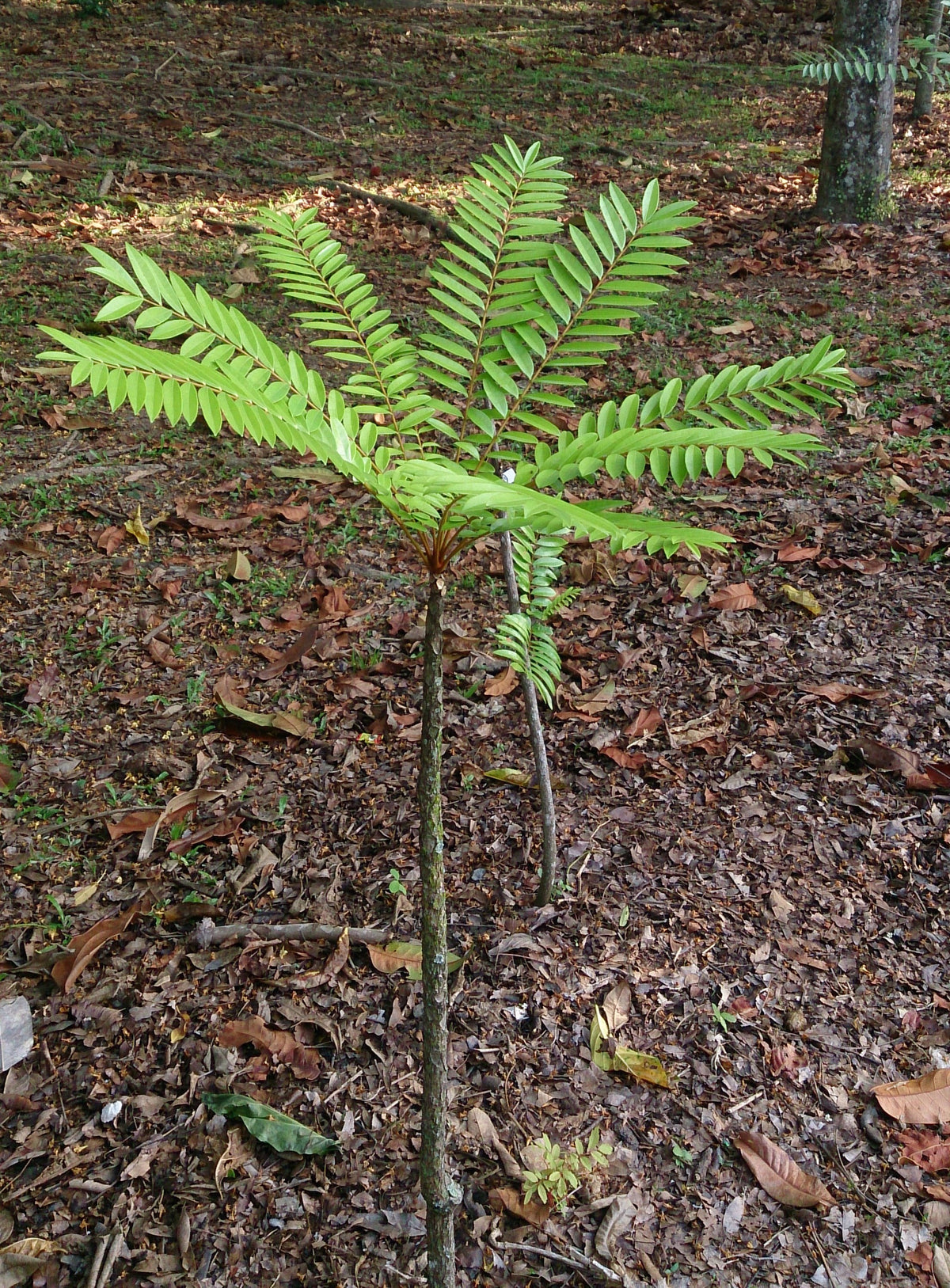
Tongkat Ali is a root extract from Eurycoma longifolia, a plant native to Southeast Asia. Human studies suggest it supports testosterone already within normal range by acting on the HPT axis and reducing cortisol-to-testosterone ratios. Dosages used in research cluster around 200 to 400 mg of standardized extract daily.
"Tongkat Ali (Eurycoma longifolia)" by Mokkie is licensed under CC BY-SA 3.0. To view a copy of this license, visit https://creativecommons.org/licenses/by-sa/3.0/.
What Tongkat Ali Actually Is
Eurycoma longifolia goes by many names. Tongkat Ali in Malaysia. Long Jack in supplement marketing. Pasak Bumi in Indonesia. Whatever you call it, it is a flowering shrub that grows in the rainforests of Southeast Asia, and its root has been used in traditional medicine for centuries across the region.
The root is intensely bitter. Traditional preparations involved boiling it for hours, producing a dark, harsh tea that local communities used for general vitality. Modern supplement manufacturing skips that labor and extracts the active compounds directly, concentrating what researchers believe matters biologically.
It falls into the adaptogen category, a class of plants thought to help the body manage physiological stress. Researchers have studied Eurycoma longifolia seriously since the late 1990s. The evidence base is not enormous by pharmaceutical standards, but it is more substantial than what most herbal testosterone supplements can point to. That matters. A large portion of the herbal supplement space has almost no human trial data at all. Tongkat Ali is an exception to that pattern, which is part of why it keeps showing up in serious formulations.
The Active Compounds and Why Standardization Matters
The root contains several classes of bioactive compounds. Quassinoids, particularly eurycomanone, are the most studied. These bitter compounds appear responsible for much of the herb's biological activity. Researchers also identify alkaloids, peptides, and tirucallane-type triterpenes in meaningful concentrations, though quassinoids receive the most research attention.
Here is the part most buyers miss: not all extracts are equivalent. Raw powdered root is not the same as a standardized extract. That gap matters enormously in practice.
Quality manufacturers standardize their extracts to a known percentage of eurycomanone, typically 1% to 2%. Some products use a concentration ratio like 100:1, meaning 100 grams of root material was used to produce 1 gram of extract. LJ100 is a patented 100:1 water-soluble extract that has appeared in multiple published human clinical trials. When comparing products, look for standardization data on the label. Anything listing only "tongkat ali powder" with no standardization information is a red flag. Without knowing the active compound concentration, you have no way to evaluate whether the dose is meaningful.
What Human Studies Have Found
Let's be direct about the research landscape. Most tongkat ali studies are small, under 100 participants, and short, typically four to twelve weeks. That is the honest starting point, and any review that skips it is already filtering reality for you.
That said, several controlled human trials have produced consistent findings. A 2013 study published in Phytotherapy Research followed 76 men over one month. Participants receiving 200 mg daily of a standardized water-soluble extract showed meaningful improvements in free testosterone levels already within normal range, alongside improvements in self-reported energy and libido scores compared to placebo.
Research by Hamzah and Yusof involving trained male athletes found that tongkat ali supplementation over five weeks helped support lean mass during caloric restriction compared to placebo. A 2014 study by Henkel and colleagues examined 200 mg daily of the LJ100 extract over four weeks in men with below-average testosterone levels and reported improvements in testosterone already within normal range alongside positive mood indicators.
The mechanism most researchers point to involves the hypothalamic-pituitary-testicular axis. Eurycomanone appears to support the signaling chain that prompts Leydig cells in the testes to produce testosterone. There is also evidence suggesting it reduces cortisol-to-testosterone ratios. Chronically elevated cortisol suppresses testosterone production, so that pathway matters for men under sustained stress.
Several of these trials are indexed on PubMed. The abstracts are accessible without a subscription. Read them yourself.
Dosage: What the Research Actually Used
Studied dosages cluster between 200 mg and 400 mg per day of a standardized extract. That is where human clinical trials have operated. Higher doses have not consistently shown better results in the available research.
Timing appears to matter less than consistency. Morning or evening, with food or without, no study has demonstrated a meaningful preference. Take it when you will actually remember to take it every day.
Some practitioners recommend cycling: eight weeks on, two to four weeks off. The reasoning is partly theoretical and partly precautionary. The published research does not conclusively support or refute cycling, but it is a reasonable approach for anyone using it long term.
One point worth emphasizing: tongkat ali takes time. Single-dose effects are not meaningful. Most studies that showed results ran for at least four weeks. If you take it for a week and notice nothing, that is expected. Commit to a full month before drawing any conclusions about whether it is working for you.
Who Tends to Use It and Why
Customers often ask us whether tongkat ali is worth trying if their testosterone is already in a normal range. It is a fair question.
The research population most consistently studied is men with levels at the lower end of the normal range. Not clinically deficient, but not where they would like to be. Men in their mid-40s through early 60s often fall into this exact category. Testosterone declines roughly 1% per year after age 30. By 55, many men are functioning with 20 to 25 percent less than their peak levels, even while staying technically within the reference range on a lab report.
Men under significant chronic stress may benefit most from this particular herb. The cortisol connection is real and well-documented. High-stress lifestyles, poor sleep, overtraining, and sustained caloric restriction all suppress testosterone production. Tongkat ali's proposed mechanism addresses part of that picture by supporting the hormonal signaling chain that cortisol tends to disrupt over time.
This herb is not a substitute for sleep, resistance training, or adequate dietary protein. Get those fundamentals right first. If they are solid and you are still looking to support levels already within normal range, that is where tongkat ali becomes relevant.
What the Evidence Does Not Support
Honest coverage requires addressing limitations, not just promising findings.
Most tongkat ali studies are short. The longest published trials run roughly twelve weeks. There is limited data on effects beyond that window. Industry funding is also common in this research space, a conflict worth factoring when weighing the conclusions of individual studies.
Effect sizes vary considerably between trials. Some show substantial shifts; others show modest ones. The quality and standardization of the extract used is likely a major variable explaining that inconsistency. A poorly extracted product may show nothing at all, regardless of the dose listed on the label.
Tongkat ali will not produce effects comparable to pharmaceutical testosterone replacement. It supports levels already within normal range through natural physiological mechanisms. Men with clinically low testosterone should see a physician. This herb is not a substitute for medical evaluation, and no responsible company should position it as one.
The research is genuinely promising for a botanical ingredient. It is also genuinely incomplete. Both of those things are true at once, and any brand that tells you otherwise is outrunning what the science actually shows.
How Wild Bison Incorporates Tongkat Ali
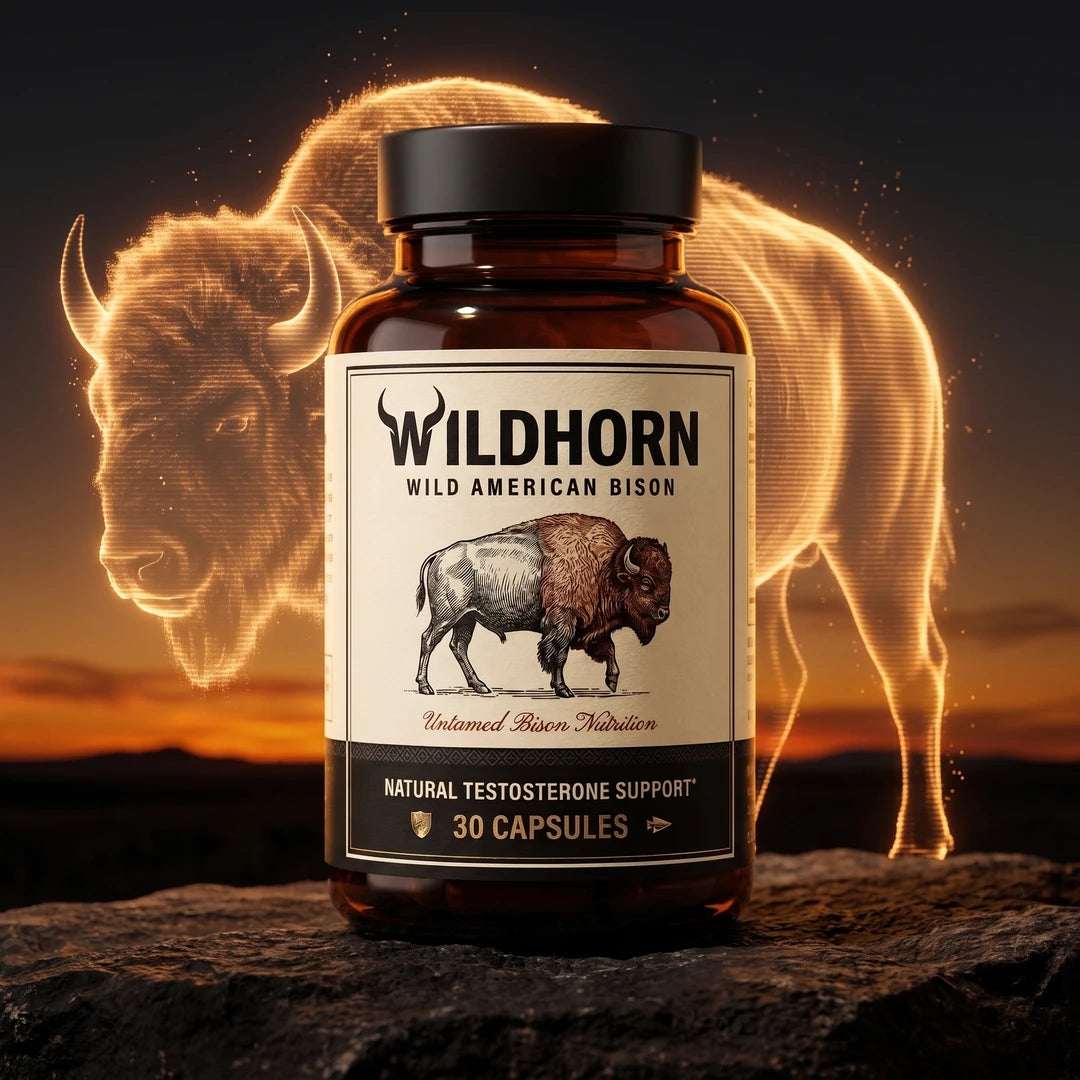
In our formula, Wild Bison, we use a standardized Eurycoma longifolia extract at a dose consistent with what human studies have tested. Tongkat ali does not work optimally in isolation. Pairing it with zinc, which the body requires for testosterone synthesis, ashwagandha, which addresses the cortisol side of the equation, and boron, which helps support free testosterone levels already within normal range, creates a more complete approach than any single ingredient can deliver on its own.
We built our Wild Bison testosterone support blend to reflect what the research literature supports, not what sounds impressive on packaging. No proprietary blends that hide individual doses. No ingredient listed at a fraction of what the studies actually used.
If you have read through the evidence above and think tongkat ali is worth including in your routine, start with a formula where the dosing is transparent and the ingredients are chosen to work together.
Frequently asked questions
How long does tongkat ali take to work?
Based on published clinical trials, most men need at least four weeks of consistent daily use before noticing any change. Studies that showed results ran for four to twelve weeks. Expecting a meaningful shift after a few days is not realistic based on available data.
What is the difference between a 100:1 and a 200:1 extract ratio?
The ratio describes how much raw root was used to produce the final extract. A 100:1 ratio means 100 grams of root per gram of extract. A higher ratio does not automatically mean more active compounds, since that depends on which plant parts were used and how extraction was performed. Standardization to a specific eurycomanone percentage matters more than the concentration ratio when evaluating product quality.
Can tongkat ali raise testosterone above a normal range?
No reputable study has shown tongkat ali pushing testosterone above normal physiological range. The research suggests it supports testosterone already within normal range, particularly in men whose levels are at the lower end of that range. It does not function like pharmaceutical testosterone and should not be expected to produce those kinds of results.
Is tongkat ali safe to take every day?
Human studies up to twelve weeks have not reported serious adverse effects at doses of 200 to 400 mg of standardized extract daily. Long-term safety data beyond that window is limited. If you take medications or have any underlying health conditions, check with your doctor before adding any supplement to your routine.
Does the form of tongkat ali I buy actually matter?
Yes, significantly. Most human research has used water-soluble standardized extracts, typically standardized to 1 to 2 percent eurycomanone or using the LJ100 extract specifically. Raw powdered root has no standardization and an unknown active compound concentration. The extract form and standardization level are among the most important factors in whether supplementation produces any measurable effect at all.
These statements have not been evaluated by the Food and Drug Administration. This product is not intended to diagnose, treat, cure, or prevent any disease.
Written by The Wildhorn Desk, Men's Health Editor.