Vitamin D and Testosterone: What Men Over 45 Should Know
9 min read
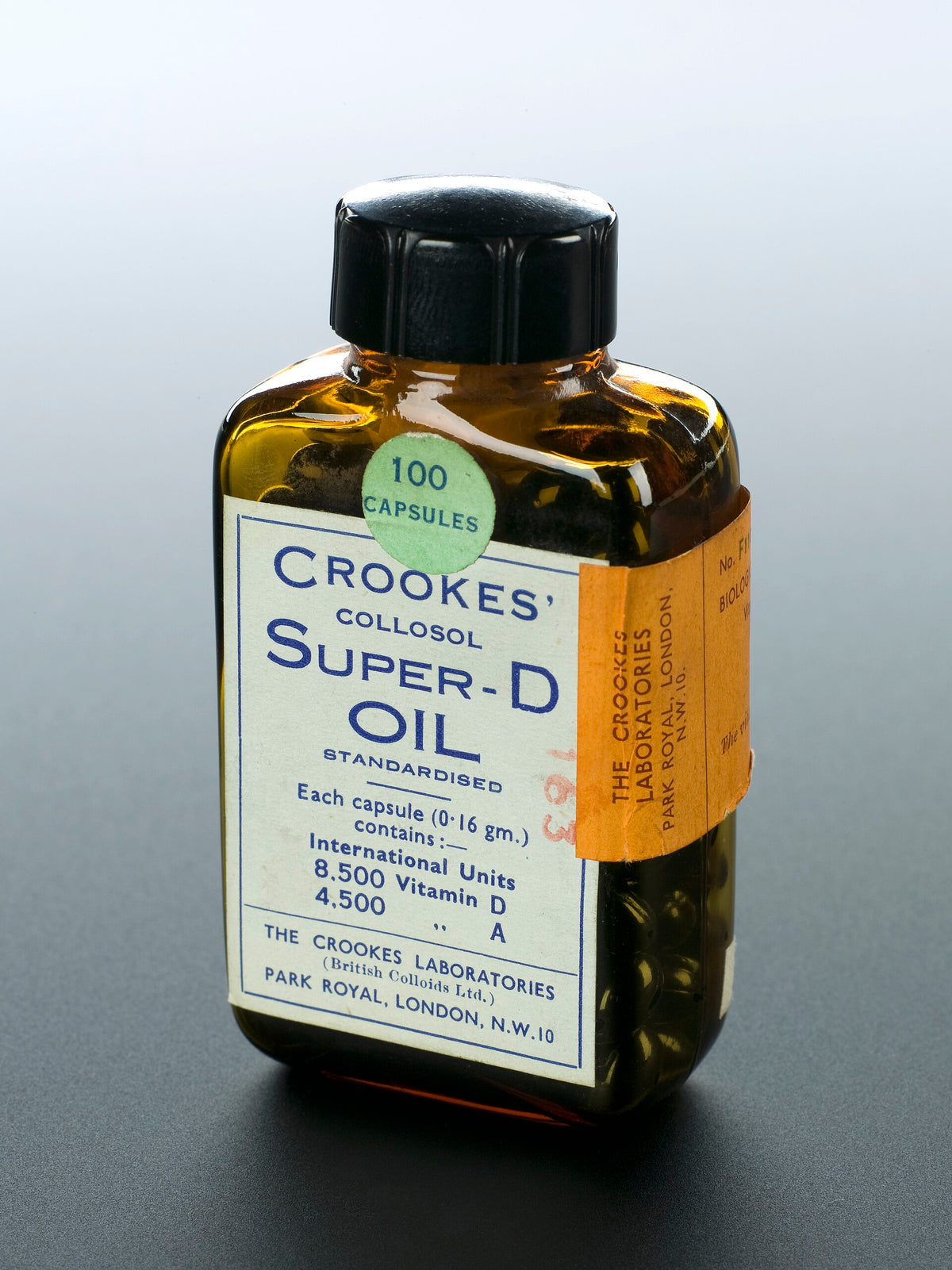
Vitamin D, a fat-soluble nutrient the body synthesizes from sunlight, plays a role in supporting healthy testosterone levels already within a normal range. Men over 45 who maintain adequate vitamin D blood levels, typically 40 to 60 ng/mL, tend to show healthier hormone profiles than those who test deficient.
CC BY 4.0 / via Wikimedia Commons
Why Vitamin D Shows Up in Hormone Research
Vitamin D is technically a hormone precursor, not a traditional vitamin. Your skin makes a compound from UVB light. Your liver converts it to 25-hydroxyvitamin D, the form measured in blood tests. Your kidneys then activate it into calcitriol, which binds to receptors throughout the body.
Here is the relevant detail: Leydig cells in the testes carry vitamin D receptors. These are the cells responsible for testosterone production. The presence of those receptors is what first led researchers to ask whether vitamin D status and testosterone levels are meaningfully connected.
The answer, across observational studies, appears to be yes. A 2010 analysis published in Clinical Endocrinology examined data from 2,299 men and found that those with sufficient vitamin D concentrations had measurably higher testosterone levels compared to those who were deficient. The association held after adjusting for age, body mass index, and other confounding variables.
This does not establish causation. But for men over 45, when testosterone levels are already declining at roughly 1 to 2 percent per year after age 30, the pattern is worth paying attention to.
What Controlled Research Has Found
Observational data shows correlation. Controlled trials test whether correcting deficiency actually changes outcomes. One randomized, double-blind trial published in Hormone and Metabolic Research supplemented deficient men with 3,332 IU of vitamin D3 daily for 12 months. By the end of the study, the supplemented group saw total testosterone rise from approximately 10.7 nmol/L to 13.4 nmol/L. The placebo group showed no significant change.
Free testosterone and bioavailable testosterone also improved in the supplemented group. Both are considered the more functionally relevant fractions because they represent what tissues can actually use.
The important qualifier: the effect was not observed in men who started the trial with adequate vitamin D levels. The research addresses what happens when deficiency is corrected, not whether adding vitamin D on top of already-sufficient levels does anything useful. That distinction matters when you are deciding whether this research applies to you.
Other trials have produced less clear results, particularly in men who were not deficient at baseline. The body of evidence suggests vitamin D plays a role in supporting testosterone levels already within a normal range when deficiency is the underlying issue.
What Your Blood Test Numbers Actually Mean
Most U.S. labs report vitamin D as 25-hydroxyvitamin D in nanograms per milliliter. Standard reference ranges define deficiency below 20 ng/mL, insufficiency at 20 to 29 ng/mL, and sufficiency starting at 30 ng/mL.
A growing number of clinicians focused on men's health supports 30 ng/mL as a floor, not a target. The testosterone-related research we referenced was comparing men below 20 ng/mL against those above 30 ng/mL. The functional target that appears most often in that literature is 40 to 60 ng/mL.
A few things worth knowing:
- Levels fluctuate with seasons. Your January reading will typically run 10 to 15 ng/mL lower than your August reading, especially if you live north of Atlanta or Los Angeles.
- Toxicity is rare but documented above 150 ng/mL. Long-term high-dose supplementation without periodic testing can push levels there.
- The precise optimal range for hormone support has not been definitively established. Targeting 40 to 60 ng/mL is a reasonable and conservative approach for most men.
The only way to know your actual number is a blood test. Symptoms of vitamin D deficiency are nonspecific and unreliable. Do not guess.
Why Men Over 45 Tend to Run Low
Several factors converge in middle age to push vitamin D levels down, often without men realizing it.
Skin synthesis becomes less efficient with age. Research estimates that a 70-year-old produces roughly 25 percent of the vitamin D from the same UVB exposure that a 20-year-old would under identical conditions. Most men do not account for that decline when thinking about their nutritional needs.
Geography makes it worse. Above 35 degrees north latitude, which covers most of the United States north of a line from Los Angeles to Atlanta, UVB intensity is too low for meaningful skin synthesis from November through March. Six months of the year, outdoor time does almost nothing for vitamin D levels regardless of how long you are outside.
Add desk jobs, routine sunscreen use, and the tendency to wear more clothing in colder months, and the picture gets clear fast. Data from the National Health and Nutrition Examination Survey has estimated that more than 40 percent of American adults have vitamin D levels below 30 ng/mL. Among older adults, the numbers are higher.
Body composition is a factor too. Vitamin D is fat-soluble, so excess body fat tends to sequester circulating vitamin D, reducing what is available in the bloodstream even when total intake looks adequate on paper.
Food Sources and Why They Usually Fall Short
Getting enough vitamin D from food alone is harder than most men expect. The richest dietary sources are fatty fish, specifically salmon, mackerel, and sardines, along with cod liver oil, egg yolks, and certain fortified foods. A 3-ounce serving of cooked salmon delivers around 570 IU. The standard recommended daily intake for adults is 600 to 800 IU, though researchers studying deficient populations typically use 2,000 to 4,000 IU when correcting blood levels meaningfully.
The math is difficult. Even eating salmon several times per week, you are not reliably reaching the corrective doses used in the research. A glass of fortified milk adds about 100 IU. Fortified cereals offer a similar amount per serving. These contributions matter at the margins. They are not a solution for someone who is genuinely deficient.
A small number of mushrooms, specifically those exposed to UV light during growth, contain meaningful amounts of vitamin D2. But D2 is the less effective form for raising blood levels compared to D3, which brings us to the supplement question.
The practical bottom line: food provides a useful baseline. It is rarely sufficient to bring a deficient man into an optimal range. If your blood test shows levels below 30 ng/mL, food alone is unlikely to fix it.
Choosing a Supplement That Actually Works
Two main forms of supplemental vitamin D exist: D2 (ergocalciferol) and D3 (cholecalciferol). Research consistently favors D3 for raising and sustaining blood levels. D3 is the form your skin makes from sunlight. It raises 25-hydroxyvitamin D concentrations more effectively than D2, and the effect lasts longer. Choose D3. Full stop.
Vitamin K2 is worth pairing with it. Vitamin D supports calcium absorption from the gut. K2, particularly as MK-7, helps direct that calcium to bones rather than soft tissue. The combination appears in quality formulas for physiological reasons, not marketing.
Magnesium is the third piece. The enzymes that convert vitamin D into its active form require magnesium as a cofactor. Low magnesium can impair vitamin D activation even when dietary intake looks fine. Customers often ask us why our formula addresses multiple nutrients rather than just one, and this co-factor relationship is exactly why. The pathways involved in hormone support do not run on single ingredients in isolation.
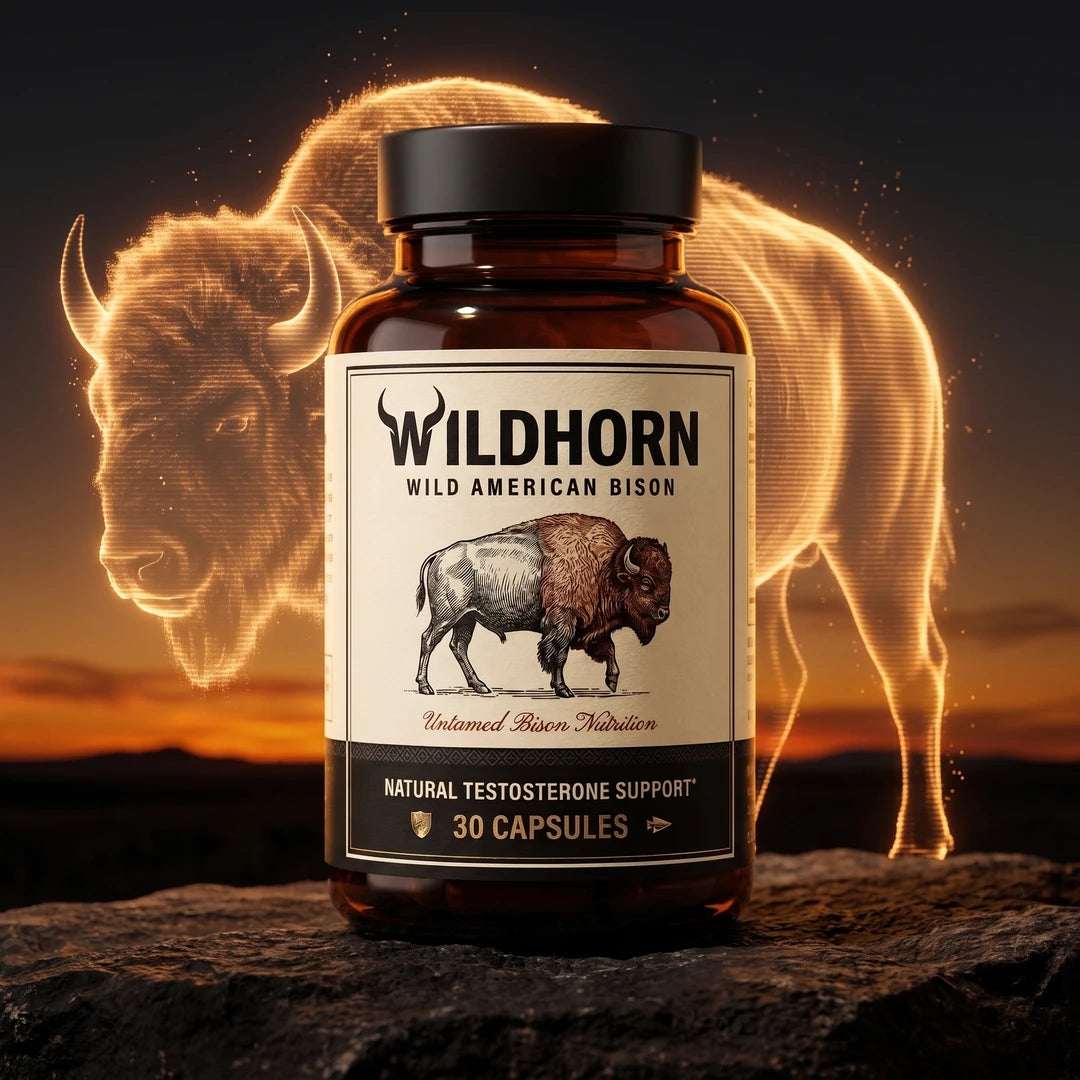
If you want a whole-food-based formula built around these principles, our Wild Bison support formula was designed with the key nutrients men over 45 consistently ask about.
Getting Tested: The Step That Makes Everything Else Useful
Ask your doctor for a 25-hydroxyvitamin D test at your next visit. Standard blood draw. Typically covered by insurance as part of routine labs. It gives you an actual number to work from instead of assumptions.
Once you have a baseline, retesting every 3 to 6 months while supplementing confirms your levels are moving in the right direction and that you are not pushing past 80 ng/mL. Most men supplementing at 2,000 IU daily will not approach that threshold, but individual variation in absorption and metabolism is real enough to warrant checking.
Seasonal testing, one draw in winter and one in summer, is the most practical approach for most men. It captures how much your levels swing naturally and tells you whether to adjust your dose by season rather than keeping it flat year-round.
Vitamin D is one part of a larger picture. Sleep quality, zinc status, resistance training, and body composition all factor into hormone health for men over 45. But vitamin D is measurable, correctable, and frequently overlooked. Start with a test. Work from what you actually know.
Frequently asked questions
How much vitamin D should men over 45 take daily?
Most men correcting a deficiency respond well to 2,000 to 4,000 IU of vitamin D3 per day. The right amount depends on your starting blood level, which is why testing before and during supplementation matters. Without a baseline test, 2,000 IU daily is a common conservative starting point for adults.
Does vitamin D help support testosterone levels?
Research suggests that correcting vitamin D deficiency may help support testosterone levels already within a normal range. The effect appears most relevant for men who are genuinely deficient, typically below 20 ng/mL. Supplementing when levels are already adequate does not appear to produce the same result based on current evidence.
What form of vitamin D is best for men?
Vitamin D3 (cholecalciferol) is the form most research supports for raising and maintaining blood levels. It is the same compound the body makes from sunlight and outperforms D2 in direct comparisons. D3 paired with vitamin K2 is a common combination in quality supplements and reflects how the two nutrients work together in calcium metabolism.
What vitamin D blood level should men aim for?
The conventional medical threshold for sufficiency is 30 ng/mL. Many clinicians focused on men's health target 40 to 60 ng/mL as a more functional range. Levels above 150 ng/mL are associated with toxicity, though that is very difficult to reach at standard supplemental doses. A blood test is the only reliable way to know where you stand.
Can sun exposure alone keep vitamin D levels adequate after 45?
Often not. Skin efficiency at converting UVB to vitamin D declines significantly with age, and men over 45 living north of 35 degrees latitude get little useful UVB from November through March. Most men in this group need supplemental vitamin D to maintain adequate blood levels year-round, particularly during winter months.
These statements have not been evaluated by the Food and Drug Administration. This product is not intended to diagnose, treat, cure, or prevent any disease.
Written by The Wildhorn Desk, Men's Health Editor.