What Is Desiccated Bison Organ? A Plain-English Guide
8 min read
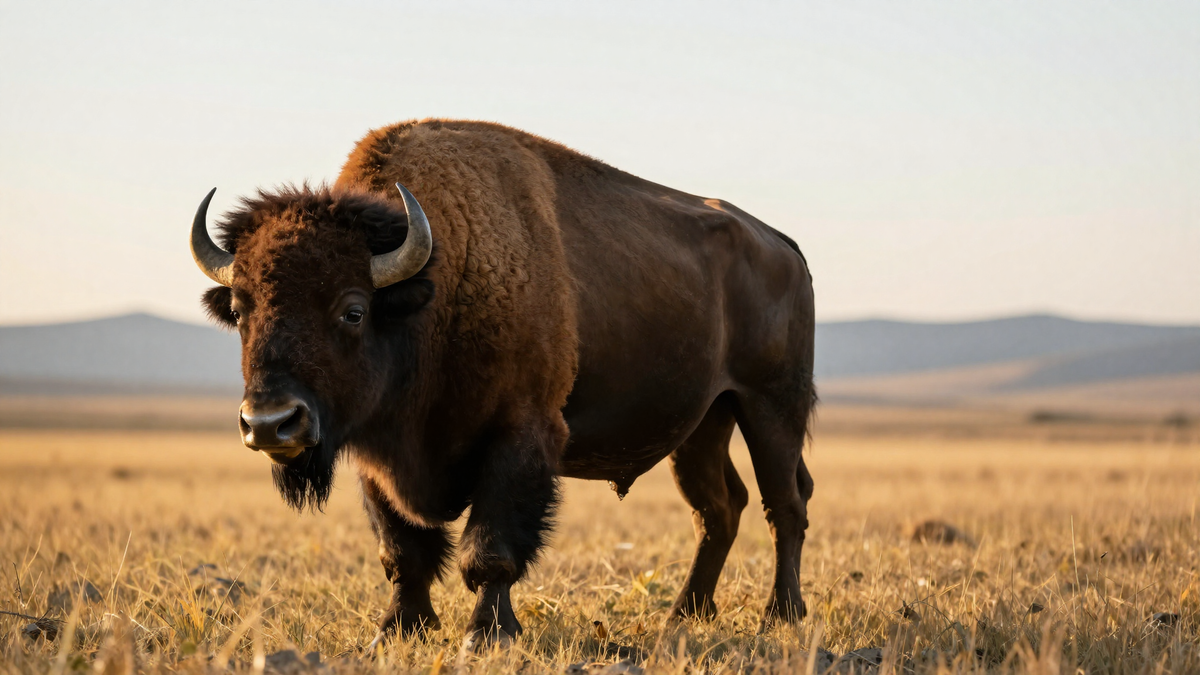
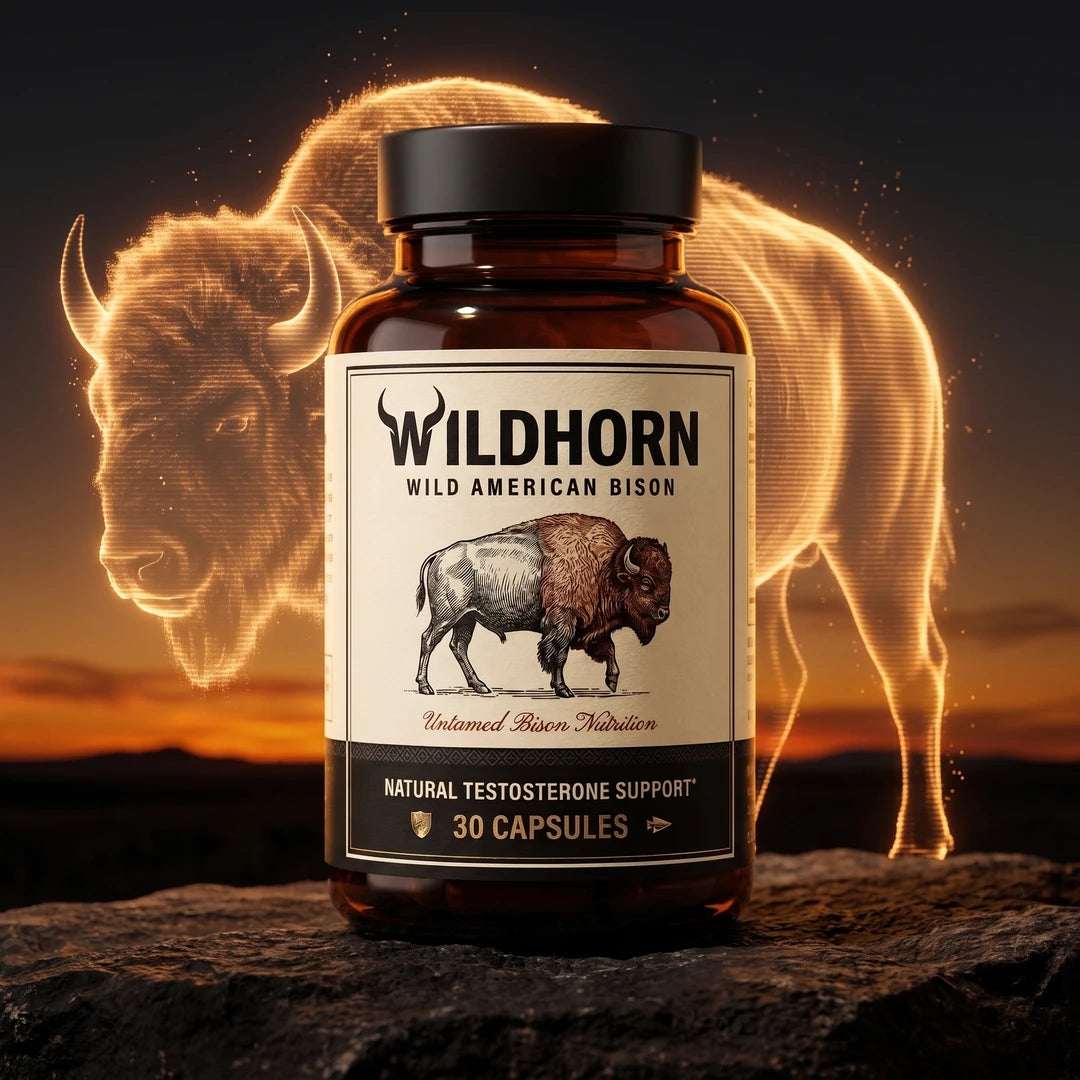
Desiccated bison organ is freeze-dried, powdered organ tissue from American bison, encapsulated without heat to preserve naturally occurring vitamins, minerals, and peptides. It is not a protein powder or multivitamin. It is a concentrated whole-food source of nutrients largely absent from a muscle-meat-only diet, including B12, CoQ10, zinc, and retinol.
What 'Desiccated' Actually Means
Desiccated is just a technical word for dried. The question is how you dry it.
Most food processing uses heat. Fast, cheap, but hard on nutrients. B vitamins break down. Enzymes denature. Fat-soluble cofactors oxidize under heat exposure.
Freeze-drying works differently. You freeze the tissue first, then remove moisture under low pressure without raising the temperature above roughly 35 degrees Fahrenheit. The result is a shelf-stable powder that retains the nutrient profile of the raw organ far better than heat-dried alternatives.
That distinction matters if you are buying this for micronutrient density, not just a protein count. A product that says 'desiccated' but does not specify freeze-drying is worth scrutinizing. The processing method is not a minor detail.
Why Bison and Not Just Beef
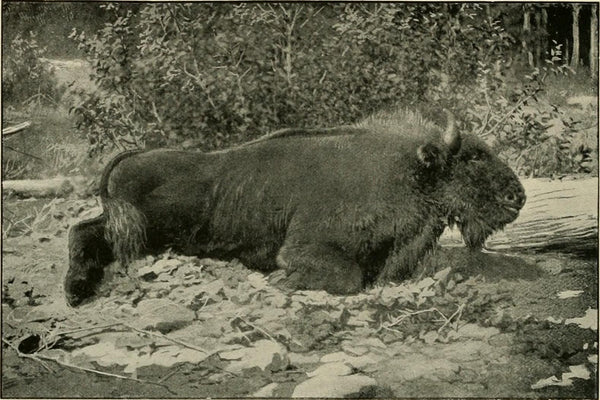
American bison (Bison bison) graze on open pasture. Essentially all commercial bison in the U.S. are pasture-raised because bison do not adapt well to feedlot conditions. That is not marketing. It reflects the animal's biology and the economics of bison farming.
Pasture-raised animals generally show different fatty acid ratios than grain-finished animals. Bison organ tissue tends to be leaner than beef organ tissue, with a higher omega-3 to omega-6 ratio. One USDA compositional analysis found bison liver delivers comparable micronutrient density to beef liver with somewhat lower total fat content per gram.
Sourcing specificity matters here. In our formula, we use North American bison only, nothing sourced from imported cattle labeled as bison on a technicality. The label should be that clear. If it is not, ask.
The Nutrient Profile Inside Each Capsule
Customers often ask us what they are actually getting per serving. Let's be specific.
Liver is the central organ in most desiccated organ blends. A 3.5-ounce serving of raw bison liver contains roughly:
- Vitamin B12: approximately 59 mcg (nearly 2,500% of the daily value from food alone)
- Copper: around 9.8 mg
- Retinol (preformed vitamin A): roughly 4,968 mcg RAE
- Iron: about 6.5 mg
- Folate: approximately 217 mcg
- Riboflavin (B2): around 2.8 mg
Freeze-drying concentrates those nutrients per gram. A typical serving of four to six capsules delivers around 3,000 mg of organ concentrate. That is roughly equivalent to about half an ounce of raw liver by weight, concentrated from the raw state.
Heart adds a different profile. Bison heart is rich in CoQ10, a fat-soluble compound found in the mitochondria of every cell in the body. Heart muscle naturally accumulates CoQ10 because it demands constant energy output. Heart tissue also provides creatine in its natural food-matrix form, along with B vitamins and zinc.
Kidney supplies additional B12, selenium, and riboflavin. Selenium supports normal thyroid enzyme function and is a cofactor in several antioxidant pathways.
Spleen is less discussed but nutritionally notable. It is one of the highest natural food sources of heme iron and contains peptides that researchers have examined for their role in immune system signaling.
How It Differs From Protein Powder or a Multivitamin
Three things separate a desiccated organ product from standard supplements. None of them are subtle.
First, nutrients arrive inside a food matrix. Isolated vitamins behave differently than nutrients arriving alongside the cofactors, enzymes, and binding proteins that naturally surround them in whole food. Retinol in liver comes packaged with phospholipids and transport proteins. Synthetic vitamin A in a multivitamin does not. Whether that difference is clinically significant for every nutrient is still being studied, but the structural difference is real.
Second, you get compounds that have no direct synthetic equivalent. CoQ10 from heart tissue arrives as ubiquinol, already reduced to its active form. Many multivitamins use ubiquinone, which the body must convert. That conversion step becomes less efficient past age 40.
Third, organ concentrates are not a meaningful protein source. Do not confuse this with a protein shake. A 3,000 mg serving provides roughly 1.5 to 2 grams of protein. That is not the point. The point is micronutrient density in a form the body recognizes as food rather than an isolated chemical.
Reading the Label Before You Buy
A few things to check before buying any desiccated organ product.
- Species and source. The label should specify the animal and country of origin. 'Grass-fed' means little if the animal spent most of its life in a feedlot and ate grass during the last few weeks. 'Pasture-raised' is more meaningful. '100% North American bison' is specific.
- Organ blend vs. single organ. Some products contain only liver. Others blend four to six organs. A multi-organ blend gives you a wider range of compounds; a single-organ product gives you higher doses of that one organ's specific profile. Know which you are buying.
- Processing method. 'Freeze-dried' is the term you want to see. 'Desiccated' alone does not specify the method. If the label does not say, ask the company directly before purchasing.
- Capsule material. Gelatin capsules are standard. Check whether it is bovine or porcine gelatin if that distinction matters to you for dietary reasons.
- Fillers. The only things that need to be inside the capsule are organ powder and possibly a flow agent like organic rice flour. Long ingredient lists with silicon dioxide, magnesium stearate, and coating agents are a flag worth noticing.
Compounds That Support Testosterone-Related Pathways
A few nutrients concentrated in this blend have been studied in relation to male hormone support. The evidence is worth understanding on its own terms.
Zinc is foundational. The testes concentrate zinc more than almost any other tissue in the body. Adequate zinc intake supports normal testosterone synthesis. A study published in Nutrition found that zinc supplementation helped maintain testosterone levels already within a normal range in men with marginal zinc status. Organ meat is one of the most bioavailable food sources of zinc available.
Selenium supports normal activity of the selenoprotein enzymes involved in steroidogenesis. Low selenium intake is associated with reduced activity in those pathways. Kidney is a notable natural source.
Vitamin D, present in liver in its natural D3 form, binds to receptors in testicular Leydig cells, which are the cells responsible for testosterone production. Maintaining vitamin D levels already within the normal range is associated with healthy testosterone levels in large population studies.
CoQ10 from heart tissue supports mitochondrial energy production. Steroid synthesis is an energy-intensive cellular process. Some researchers have examined CoQ10 in relation to male reproductive cell function, though evidence in healthy men is still accumulating.
None of this means an organ supplement will change your testosterone lab numbers. It means the micronutrient environment in these capsules supports the systems that produce and regulate testosterone in men who are already within healthy ranges. That is the honest framing, and it is worth more than hype.
If you want the right desiccated bison organ supplement for this goal, look for one that is transparent about sourcing, specifies the organ blend clearly, and delivers a meaningful dose per serving rather than token amounts of each ingredient.
How to Take It and What to Watch
Standard dosing is four to six capsules per day. Take them with a meal that contains fat. The fat-soluble vitamins in organ meat, specifically A, D, and K2, absorb better alongside dietary fat. A meal with eggs, olive oil, or avocado works well.
Some men cycle organ supplements, using them Monday through Friday and skipping weekends. Others take them daily year-round. No strong evidence puts one approach ahead of the other for most healthy adults. Consistency over 30 days matters more than the specific schedule.
One thing worth tracking: bison liver is high in preformed vitamin A (retinol). Chronically high retinol intake above 10,000 IU per day can become problematic over time. At a typical four-to-six capsule serving of this product, you are well below that threshold. But if you already take a multivitamin with substantial retinol content, add up your total daily intake from both sources. It is a simple check that most people skip.
Give it 30 days before drawing conclusions. Micronutrient repletion is not the same as taking a stimulant. The changes tend to be gradual and cumulative. Energy consistency, recovery, and overall sense of function are the things men most commonly report noticing first.
Frequently asked questions
Is desiccated bison organ the same as beef liver capsules?
Not exactly. Bison and beef have similar nutrient profiles, but bison tend to be leaner with a slightly better omega-3 to omega-6 ratio. Essentially all commercial bison are pasture-raised by nature of the species, which is not always the case with beef. The sourcing story is more consistent with bison, and that consistency matters for people who care about what the animal ate.
How much vitamin A am I getting per serving?
It depends on the product's concentration process, but a typical 3,000 mg serving of freeze-dried bison liver concentrate delivers several hundred to over 1,000 mcg RAE of retinol. The adult upper tolerable intake level is 3,000 mcg RAE per day. Most organ products fall well below that at standard serving sizes. If you also take a high-retinol multivitamin, add up your total from both sources.
Can I take desiccated organ supplements every day?
Most men take it daily with a fat-containing meal to support absorption of the fat-soluble nutrients. Some prefer a weekday-only schedule. Either is common practice. This is a food concentrate, not a pharmaceutical, and daily use is typical for people looking to maintain consistent micronutrient intake from whole-food sources.
Does this product contain added hormones?
No added hormones. Bison organs contain naturally occurring peptides and lipids present in any animal food. They do not contain synthetic or added hormones. Trace naturally occurring compounds may be present as they would be in any organ meat you would eat at a meal. If you have concerns about specific compounds, check with a healthcare provider before starting.
Why do the capsules sometimes have a noticeable smell?
A mild, slightly earthy odor when you open the bottle is normal. It signals real organ powder, not a heavily processed extract or flavored filler. Freeze-drying removes moisture but does not strip all volatile compounds from the tissue. If the smell bothers you, store the bottle in the refrigerator after opening. The smell does not indicate spoilage.
These statements have not been evaluated by the Food and Drug Administration. This product is not intended to diagnose, treat, cure, or prevent any disease.
Written by The Wildhorn Desk, Men's Health Editor.