Wild Bison vs Factory Beef: What the Research Shows
9 min read
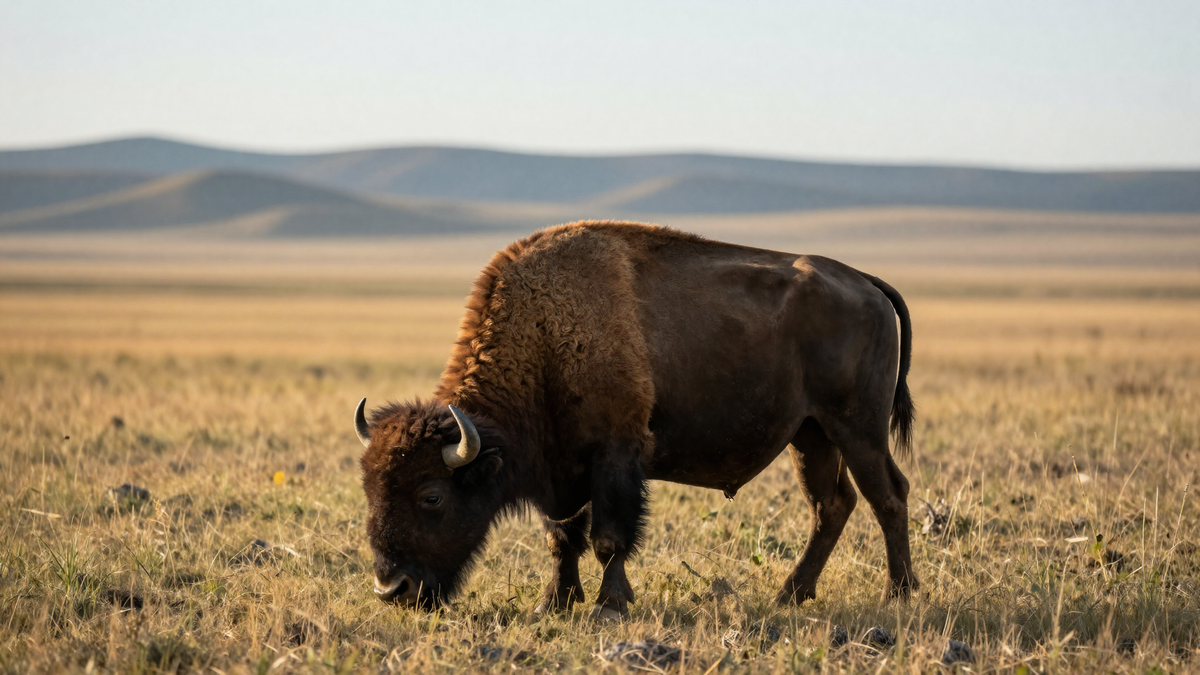
Wild bison raised on pasture consistently shows a better omega-6 to omega-3 ratio than grain-finished feedlot beef, plus higher CLA levels and comparable micronutrient density in a leaner package. The differences are real and measurable across published research, though no single food is a silver bullet.
How These Two Animals Actually Differ
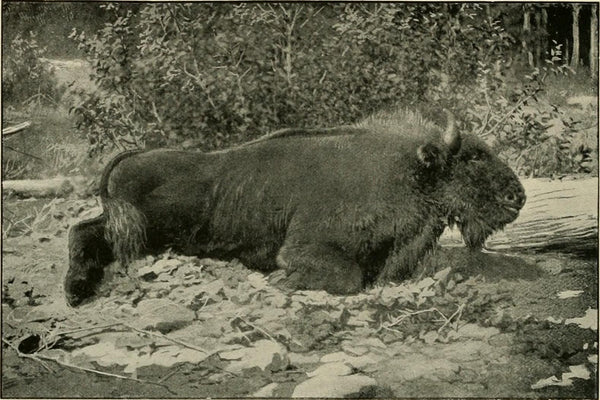
The comparison starts with diet. A wild or pasture-raised bison spends its life eating native grasses, sedges, and forbs. A feedlot steer spends its last 120 to 200 days eating a high-energy ration built around corn, soy, and distillers grains. That diet change does something measurable to the fat stored in muscle tissue.
Bison on native range are also naturally leaner. A 3.5-ounce serving of cooked bison contains roughly 2.4 grams of total fat versus 8 to 12 grams for a comparable cut of grain-finished beef. Lower total fat means the fat that is there carries more weight in your overall intake. The type of fat also shifts significantly between the two animals.
One more structural point: bison are not typically raised with the same growth-promoting inputs common in commercial feedlots. That does not mean bison is drug-free by default, so always check the label. But the production model tends to be lower-input by nature. Less crowding, more movement, natural grazing. These are not just marketing claims. They show up in the tissue composition data, and that is what this article is actually about.
Omega-3 to Omega-6: The Ratio That Changes
Both omega-3 and omega-6 fatty acids are essential. Your body cannot make them, so you get them from food. The question is the ratio. Most nutrition researchers consider a ratio somewhere between 1:1 and 4:1 (omega-6 to omega-3) to be in the range associated with traditional human diets. The modern American diet runs closer to 15:1 or even 20:1, largely because grain and seed oils are everywhere.
Grain-finished beef sits around 8:1 to 12:1. Published research from Daley et al. (2010) in Nutrition Journal, which synthesized 226 references on grass-fed versus grain-fed ruminants, showed that pasture-raised animals consistently come in closer to 2:1 to 4:1. Bison eating primarily native grass tracks in that same range.
The practical result: swapping your protein source to bison moves the needle on omega-6 intake without requiring you to add another supplement. Does that ratio shift matter to long-term health markers? The evidence suggests it helps support normal inflammatory balance already within a normal range. Research is ongoing and no single food is a complete solution.
Calories stay roughly similar between bison and lean beef. Protein content is comparable too: around 26 to 28 grams per 3.5-ounce cooked serving for both. The fat profile is where the meaningful difference lives.
CLA Content: What Pasture Feeding Changes
CLA stands for conjugated linoleic acid. It is a naturally occurring fatty acid found in the meat and dairy of ruminant animals. The amounts in pasture-raised animals are consistently higher than in grain-finished animals. The difference runs roughly 2 to 5 times more CLA in grass-fed versus grain-finished beef, and bison raised on native pasture tracks in that same elevated range.
The mechanism is not complicated. Ruminants produce CLA through a process called biohydrogenation in their digestive system, and that conversion runs more efficiently on fresh grass than on grain. Change the diet, and you change the fat composition of the animal's tissue. Simple cause and effect.
What does CLA do in the body? Animal studies and several human trials suggest it helps maintain lean body mass and supports healthy body composition. The human data is mixed and depends on dose, but most researchers note that CLA from whole food sources is chemically identical to the CLA used in supplement trials. Getting it from food rather than a synthetic source is a legitimate approach.
For men over 45 trying to hold onto muscle while managing body weight, CLA from a clean protein source is a reasonable tool. Not a solution on its own. A useful part of a broader dietary pattern that supports your goals.
Micronutrient Density: Zinc, B12, and Heme Iron
Bison delivers a strong micronutrient profile per calorie, partly because it is so lean. When you are eating 2.4 grams of fat per serving instead of 10 grams, more of your caloric real estate goes toward protein and micronutrients. Here is what the USDA FoodData Central database shows per 3.5-ounce cooked serving of bison:
- Zinc: Roughly 4 to 5 mg against an adult RDA of 11 mg. Zinc plays a role in protein synthesis, immune function, and helps maintain testosterone levels already within a normal range. It is one of the more consistently studied minerals in men's health research, and shortfall is more common than most men realize.
- Vitamin B12: One serving covers well over 100% of the daily value. B12 supports energy metabolism and helps maintain neurological function. It is only reliably found in animal foods, and men who eat less red meat often show lower B12 status on lab work.
- Heme iron: The iron in red meat is absorbed at roughly 15 to 35% efficiency versus 2 to 20% for non-heme iron from plant sources. Bison provides around 13% of the daily value per serving in a highly bioavailable form.
- Selenium, phosphorus, niacin, and B6 round out the profile and contribute to normal cellular energy metabolism.
The micronutrient case for bison stands on its own, separate from the omega-3 and CLA arguments. This is a genuinely nutrient-dense food, not just a leaner version of beef.
The Practical Problem With Sourcing Wild Bison
Here is the honest part. Real wild bison is hard to source. Most bison sold in grocery stores is pasture-raised on ranches, not wild-harvested, though it still carries the nutritional advantages of low-grain or no-grain feeding. Genuinely wild American bison from native-range herds exists in limited quantities from national parks, tribal lands, and a handful of conservation ranches. It is not something you can reliably buy on a weekly basis.
Even ranch-raised bison is seasonal and regional. In Denver or Billings, you might find it fresh at a local butcher. On the East Coast, you are probably looking at frozen, shipped cuts at a meaningful price premium. Ground bison runs $9 to $14 per pound in most markets. That adds up fast if you are eating it three or four times a week.
Cooking note worth including: bison is lean enough that it cooks significantly faster than beef and dries out quickly. For steaks, aim for medium-rare at most. For ground bison in burgers or tacos, cook at lower heat or add a small amount of olive oil to keep it from tightening up.
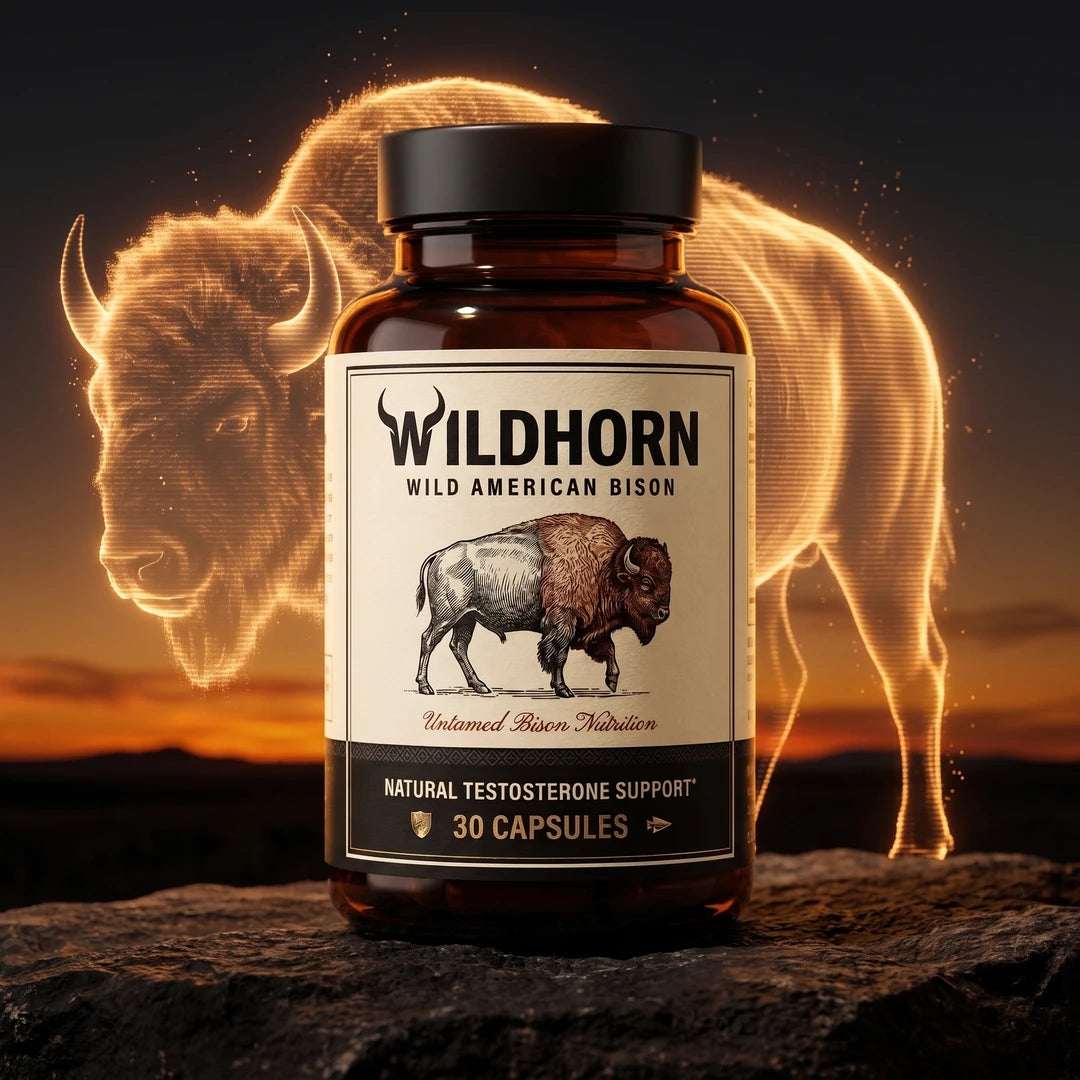
Customers often ask us whether they can get the key nutritional benefits of bison without building their weekly grocery budget around specialty meat. That is a big part of why our Wild American Bison formula exists. It concentrates the key compounds from pasture-raised American bison into a clean, daily-use format, without the sourcing headache or the price volatility.
Who Should Pay Attention to These Differences
Not everyone. If you are 35, eating whole foods consistently, sleeping eight hours, and your labs look solid, the bison-versus-beef distinction probably is not your most urgent nutritional question. There are bigger levers.
For men 45 and older who are actively paying attention to muscle retention, body composition, and supporting hormone levels already within a normal range, the details start to matter more. The omega-6 to omega-3 ratio matters. CLA intake matters. Getting adequate zinc and B12 from bioavailable sources matters. None of these are huge levers on their own. But they are real ones, and they compound over years of consistent dietary choices.
The research backing this comparison does not come from supplement companies. The USDA has published extensive nutrient composition data on bison and beef through FoodData Central. The 2010 Daley review in Nutrition Journal synthesized more than 200 studies on pasture-raised versus grain-finished ruminants. The data is not new, not contested, and not driven by marketing.
If you are going to make one deliberate protein source shift this year based on solid nutritional reasoning, pasture-raised bison or a concentrated bison product is a well-supported option. The evidence is there. What you do with it is up to you.
Frequently asked questions
Is bison actually better for you than beef?
Nutritionally, pasture-raised bison has a leaner fat profile, a better omega-6 to omega-3 ratio, and higher CLA content than grain-finished beef. Micronutrient density per calorie is comparable or slightly stronger because of bison's lower fat content. Whether that makes it 'better' depends on your full diet, but the measurable differences are real and documented in peer-reviewed research.
Does bison help support testosterone levels?
Bison is a meaningful source of zinc, which plays a role in helping maintain testosterone levels already within a normal range. It also provides B12, complete protein, and heme iron, all of which support the metabolic processes involved in normal hormone function. Clinically low testosterone is a medical condition that requires evaluation by a physician, not a dietary fix.
What is CLA and why does it matter for men over 45?
CLA (conjugated linoleic acid) is a fatty acid naturally produced in ruminant animals. Pasture-raised animals generate more of it than grain-finished ones, typically 2 to 5 times more. Research suggests CLA helps maintain lean body mass and supports healthy body composition, which becomes a more active concern for most men after 45 as muscle maintenance requires more deliberate effort.
How does the omega-3 content in bison compare to regular beef?
Grain-finished beef typically has an omega-6 to omega-3 ratio of 8:1 to 12:1. Pasture-raised bison runs closer to 2:1 to 4:1. That is a meaningful difference if you are already consuming significant omega-6 from other sources in your diet. It does not replace fish or fish oil, but it does shift your baseline protein source in a better direction.
Can a bison supplement deliver the same benefits as eating bison meat?
A quality bison supplement made from pasture-raised animals concentrates the key compounds, including zinc, B12, and the natural fat profile, in a consistent daily dose. For men who cannot source fresh bison regularly or do not want to pay $12 per pound for ground meat several times a week, a concentrated formula is a practical alternative that delivers the same core nutritional compounds.
These statements have not been evaluated by the Food and Drug Administration. This product is not intended to diagnose, treat, cure, or prevent any disease.
Written by The Wildhorn Desk, Men's Health Editor.