Zinc and Male Hormone Support: What the Research Shows
7 min read
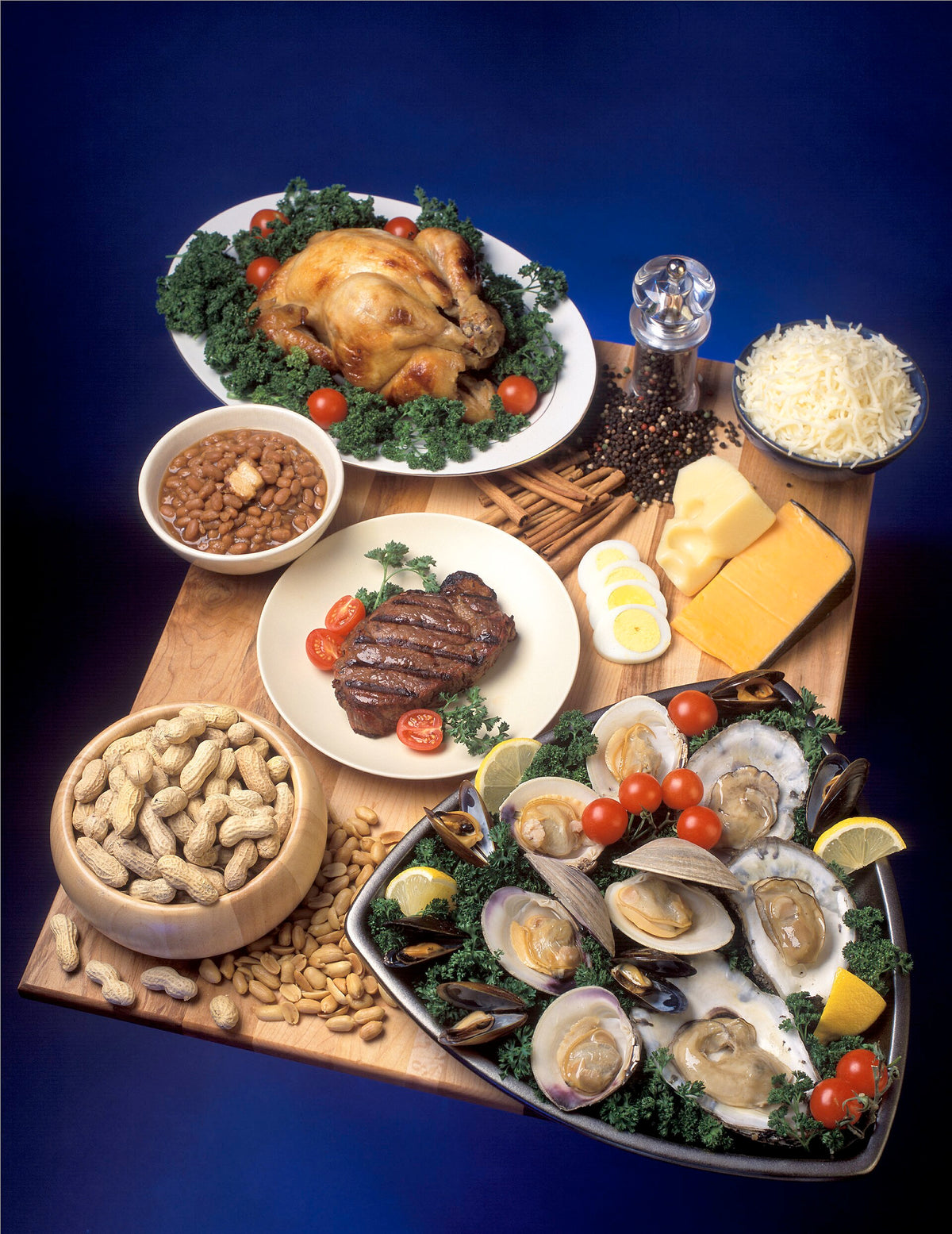
Zinc is an essential mineral involved in over 300 enzymatic processes, including several that help the body maintain healthy testosterone levels already within a normal range. Men over 45 with low dietary zinc intake often fall short of the RDA. Correcting that gap through food or a targeted supplement is one of the most practical steps in men's nutritional health.
Keith Weller, USDA ARS / Public domain / via Wikimedia Commons
Why Zinc Keeps Showing Up in Men's Health Research
Zinc is involved in over 300 enzymatic processes in the human body. Several of those processes connect directly to how testosterone is produced, regulated, and used at the cellular level. The testes contain some of the highest zinc concentrations found anywhere in the body. That fact alone tells you something.
A landmark study published in Nutrition followed zinc-deficient older men over six months of supplementation. Their serum testosterone levels nearly doubled. The key word is deficient: zinc does not manufacture testosterone out of nothing. It supports the biological machinery that keeps production on track when stores are adequate.
For men over 45, this matters more than it did at 30. Zinc absorption declines with age. Dietary patterns that worked for years may no longer supply enough to meet physiological demand. The gap is often quiet. That is part of the problem.
How Zinc Supports Testosterone Production
To understand zinc's role, it helps to follow the basic production pathway. Testosterone synthesis begins in the hypothalamic-pituitary axis. The pituitary releases luteinizing hormone (LH), which travels to the Leydig cells in the testes and signals them to produce testosterone. Zinc is involved at multiple points in this chain.
First, zinc acts as a cofactor for enzymes that regulate LH secretion. Low zinc can blunt the signal before it ever reaches the testes. Second, zinc inhibits aromatase, the enzyme that converts testosterone into estradiol. Without enough zinc, more testosterone gets converted to estrogen, reducing what remains available in its active form. Third, so-called zinc-finger proteins, a family of proteins that help cells respond to hormonal signals, depend on zinc to maintain their structural shape and function.
None of this makes zinc a hormone or a replacement for one. What it does is help the body's own system work as it should, provided the raw material is there.
Zinc Deficiency: More Common Than Most Men Think
The RDA for zinc in adult men is 11 mg per day. National survey data suggests a substantial share of American men fall short of this, particularly those over 50. The deficiency is often subclinical. Blood levels look borderline rather than dramatically low, but the effect on downstream processes is still real.
Several factors increase risk:
- High alcohol intake, which accelerates renal zinc excretion
- Diets heavy in processed foods and low in animal protein
- Heavy consumption of whole grains and legumes without adequate animal-source zinc to offset phytate binding
- GI conditions that reduce nutrient absorption broadly
- Some diuretics and ACE inhibitors, which can increase urinary zinc loss
Customers often ask us whether food alone covers their zinc needs. The honest answer: it depends on what you eat, how often, and how well your gut absorbs it. For a lot of men over 45, the answer is no.
The Best Food Sources (and What the Math Actually Shows)
Oysters are the clear outlier. Three ounces delivers roughly 74 mg of zinc, well above the daily RDA in one sitting. Most men don't eat oysters weekly. Practical daily sources look more like this:
- Beef chuck roast: approximately 7 mg per 3 oz
- Dungeness crab: approximately 6.5 mg per 3 oz
- Pork shoulder: approximately 4 mg per 3 oz
- Pumpkin seeds: approximately 2.2 mg per oz
- Chickpeas: approximately 1.3 mg per half cup, absorption reduced by phytates
- Fortified breakfast cereal: varies, typically 3 to 8 mg per serving
The bioavailability gap is significant. Animal-source zinc absorbs at roughly 40 to 50 percent. Plant-source zinc, due to phytate binding, absorbs at 15 to 26 percent. A man eating a mostly plant-based diet may be getting half as much usable zinc as the numbers on paper suggest.
Track what you actually eat for a week and run the numbers. The result is often surprising.
Zinc Forms: The Difference Between Cheap and Effective
Zinc supplements come in several forms: sulfate, gluconate, picolinate, citrate, and bisglycinate. They are not equivalent.
Zinc sulfate is inexpensive and widely used but causes nausea in some men, especially on an empty stomach. Zinc gluconate is better tolerated. A head-to-head study by Barrie et al. comparing zinc picolinate, citrate, and gluconate found picolinate showed the greatest tissue retention based on urinary and hair zinc measurements. Chelated forms, where zinc is bound to an amino acid like glycine (zinc bisglycinate), consistently show high bioavailability and low GI irritation in comparative work.
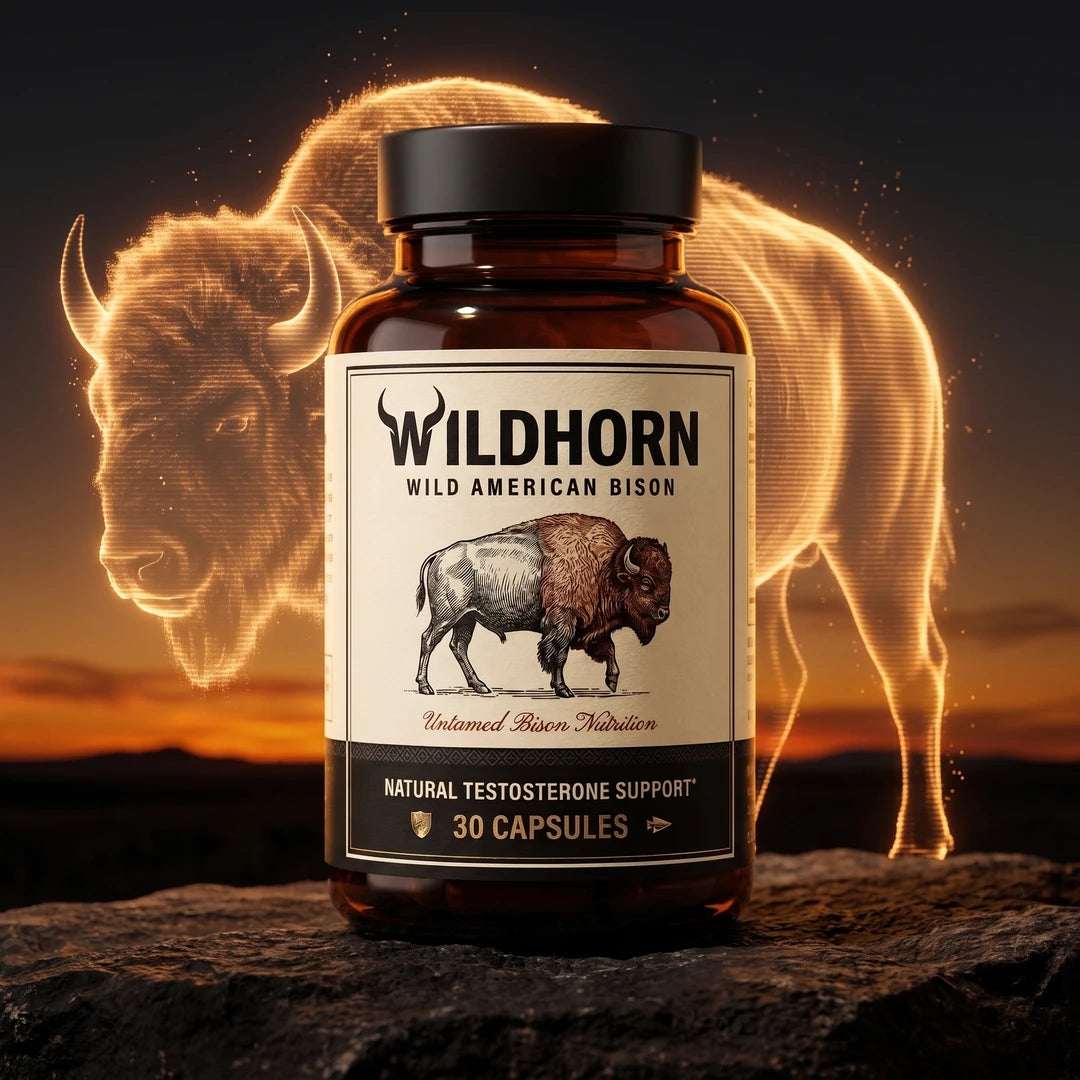
For men using zinc as part of a targeted formula, the form matters as much as the milligram count. That's why choosing Wild Bison testosterone support means looking at the label and confirming which zinc form is actually in the capsule, not just the total dose listed.
Dosing Thresholds Men Over 45 Should Know
The RDA is 11 mg. The Tolerable Upper Intake Level set by the National Institutes of Health Office of Dietary Supplements is 40 mg per day for adult men. That ceiling exists for a reason.
Long-term intake above 40 mg can interfere with copper absorption. Zinc and copper compete for the same intestinal absorption pathway. Sustained zinc excess depletes copper, which affects energy metabolism and connective tissue health in ways that create their own downstream problems. More zinc is not always better.
For most men over 45 who are not severely deficient, a supplemental dose of 15 to 30 mg fills the dietary gap without approaching the upper limit. If your diet already supplies 8 to 10 mg daily, a 15 to 20 mg supplement brings total intake to a solid, safe range. Timing matters as well: zinc absorbs best with a small protein-containing meal and absorbs poorly alongside high-phytate foods like oatmeal or whole wheat bread.
Blood testing is the only reliable way to confirm zinc status. Serum zinc and RBC zinc are both available through standard labs. Get the number before deciding on a dose.
Zinc in Context: What It Pairs Best With
Zinc rarely operates alone in men's nutritional health formulas. The most studied combination pairs zinc with magnesium and vitamin B6, a stack commonly labeled ZMA. Research in strength-training men showed this combination helped maintain testosterone levels already within a normal range during periods of heavy physical stress. Not a dramatic effect in isolation, but consistent and repeatable.
Ashwagandha is another ingredient that appears alongside zinc in several trials examining hormone support in men. Boron, a trace mineral, has shown interactions with zinc metabolism and free testosterone levels already within normal ranges in small but well-designed studies. The reasoning is straightforward: nutritional support works better through multiple pathways than through a single one.
A formula built around documented combinations, using high-bioavailability zinc forms and sensible doses, gives men over 45 a systematic way to address nutritional gaps that matter for healthy hormone function. That is the design philosophy behind Wild Bison.
Frequently asked questions
How does zinc help support healthy testosterone levels?
Zinc acts as a cofactor for enzymes involved in testosterone synthesis, helps regulate luteinizing hormone secretion from the pituitary, and inhibits aromatase, the enzyme that converts testosterone to estradiol. These roles work together to help the body maintain testosterone levels already within a normal range.
How much zinc should men over 45 take daily?
The RDA is 11 mg. The Tolerable Upper Intake Level is 40 mg per day. For men with a moderate dietary gap, a supplemental dose of 15 to 30 mg is appropriate, keeping total daily intake well below the upper limit. A serum or RBC zinc blood test is the most reliable way to confirm your baseline before deciding on dose.
What are signs that a man might not be getting enough zinc?
Low zinc intake can affect the body's ability to maintain healthy immune function, normal wound healing, and hormone levels already within a normal range. Sluggish recovery from exercise and reduced appetite are commonly reported. Blood testing is the only reliable way to confirm zinc status, since deficiency is often subclinical.
Is zinc picolinate better than zinc gluconate?
Research suggests zinc picolinate and chelated forms like zinc bisglycinate have higher bioavailability than zinc gluconate or zinc sulfate. A head-to-head comparison by Barrie et al. found picolinate showed the greatest tissue retention. For men using zinc as part of a hormone-support formula, the form on the label matters as much as the milligrams.
Can men get enough zinc from food alone?
Possibly, if the diet regularly includes red meat, shellfish, and other animal proteins. Oysters deliver roughly 74 mg per 3-ounce serving. Men eating mostly plant-based diets face significantly reduced absorption due to phytate binding and often benefit from supplementation to maintain adequate zinc levels for healthy hormone function.
These statements have not been evaluated by the Food and Drug Administration. This product is not intended to diagnose, treat, cure, or prevent any disease.
Written by The Wildhorn Desk, Men's Health Editor.